
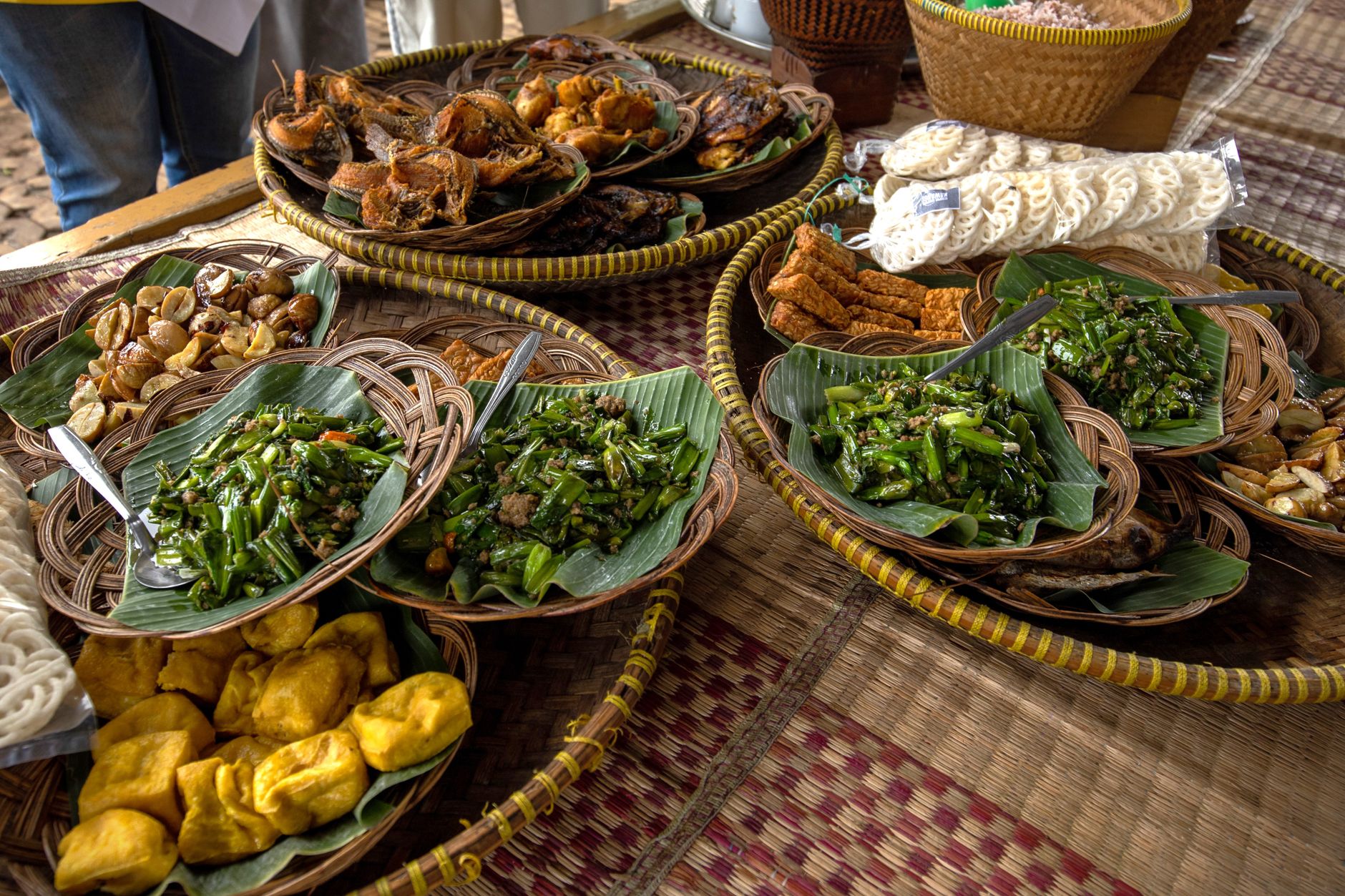
Timor-Leste, also known as East Timor, showcases a diverse culinary landscape influenced by its rich cultural history and geographical setting. The food here is a delightful blend of traditional flavors, featuring a variety of ingredients ranging from seafood to locally grown vegetables and aromatic spices. This article will guide you through the cuisine of Timor-Leste, including where to find it, popular dishes, and essential ingredients.
The unique aspects of Timor-Leste’s cuisine are rooted in its agricultural practices and coastal access. Here, we’ll explore local dishes, cooking techniques, and popular food markets. Whether you’re planning to visit or simply curious about this vibrant culinary scene, you’ll find useful information to help you appreciate the flavors of Timor-Leste.
Where Food Timor-Leste?
The food of Timor-Leste is distinct yet influenced by various cultures due to its colonial past and geographic location. Traditional Timorese food features rice, maize, vegetables, and meats that are often seasoned with native spices. The country’s coastal areas provide a wealth of fresh seafood, while the mountainous regions offer a bounty of fruits and vegetables. You’ll typically find the cuisine in local markets, family-owned restaurants, and food stalls throughout the country.
Popular Dishes of Timor-Leste
Timor-Leste’s cuisine is known for its utilization of local ingredients and traditional cooking methods. Here are some popular dishes you may encounter:
- Bebonuk: A delicious traditional dish made with fish, usually snapper or tuna, cooked with vegetables and hot spices.
- Kinatta: A unique preparation of sweet potato that’s often mashed and served alongside sautéed greens.
- Batar daan: A nutritious porridge made from maize, often flavored with coconut milk and served with side dishes.
- Caril: A Timorese curry often made with chicken or beef and flavored with turmeric, garlic, and coriander.
- Ikan bakar: Grilled fish, typically marinated with local herbs and spices before being cooked over an open flame.
Essential Ingredients in Timorese Cuisine
Understanding the key ingredients helps get a better grasp of Timor-Leste’s culinary landscape. Here are some essential ingredients:
- Rice: A staple in every household, usually served with almost every meal.
- Cassava: A versatile root vegetable used in various dishes.
- Chili: Fresh and dried chilies give heat to many dishes.
- Coconut: Used in milk form or grated, it adds richness to many Timorese meals.
- Fresh Herbs: Ingredients like coriander, basil, and lemongrass are prevalent in cooking.
Cooking Techniques in Timor-Leste
In Timor-Leste, various cooking methods highlight the fresh ingredients and flavors. Here are some common techniques:
Grilling
Grilling is a popular method, especially for seafood and meats, often cooked over an open flame or charcoal. This technique helps maintain the natural flavors and moisture of the ingredients.
Steaming
Steaming is commonly used for vegetables and rice dishes. It preserves vitamins and nutrients, making it a healthy cooking option.
Stir-frying
Quick cooking methods, such as stir-frying, enable seasonal vegetables to retain their crunch and bright colors. Common fats used for frying include oils like palm or coconut oil.
Food Culture and Dining in Timor-Leste
The dining culture in Timor-Leste is highly communal, with meals typically shared among family and friends. Traditional meals may be enjoyed on the floor with everyone serving themselves from common dishes. Street food is also widely available, offering a myriad of options at affordable prices, making it an essential part of everyday life.
Where to Find Food in Timor-Leste
Finding delicious food in Timor-Leste is relatively easy, especially in urban areas and markets. Here are some key places to explore:
Local Markets
Visiting local markets is perhaps the best way to witness the country’s food culture. Markets such as the Taibesi Market in Dili not only sell fresh produce and ingredients but also showcase ready-to-eat street foods.
Restaurants
There are numerous restaurants in urban centers such as Dili that serve a wide variety of both traditional and international cuisines. Look out for:
- Restaurante Dili: Renowned for its traditional dishes and fresh seafood.
- Little Italy: Offers a fusion with Italian food, perfect for a more cosmopolitan option.
- Food Stalls: Stalls lining the streets provide affordable, quick meals, ideal for tasting Timorese flavors on-the-go.
Timor-Leste Food Experiences
To get the most authentic taste of Timor-Leste, consider participating in local food experiences. These can include cooking classes, food tours, or farmer’s market visits:
Cooking Classes
Many venues offer cooking classes that teach you how to prepare traditional dishes, providing not only cooking techniques but also insights into local culinary traditions.
Food Tours
Guided food tours lead you through markets and restaurants, giving you a taste of diverse flavors while learning about Timorese culture and history.
Challenges in Timor-Leste’s Food Landscape
Despite its rich culinary heritage, Timor-Leste faces challenges such as limited access to certain ingredients impacted by geographical limitations and economic conditions. However, the nation is working toward improving its agricultural capacity and food security, which gradually benefits the food scene.
Food Preservation and Storage
Proper storage and preservation techniques are essential in maintaining the quality of produce and ingredients. Here are practical tips:
Storing Fresh Produce
- Keep leafy greens in the refrigerator in a perforated bag to maintain freshness.
- Store root vegetables in a cool, dark place to prolong shelf life.
Marinating and Freezing
Marinating meats with local spices not only enhances flavor but also acts as a natural preservative. Freezing meats and blanched vegetables helps retain their taste and texture.
Serving Suggestions for Timorese Dishes
When serving Timorese dishes, presentation can significantly enhance the overall dining experience:
- Serve rice alongside colorful vegetable stir-fries for a vibrantly appealing plate.
- Incorporate fresh herbs as garnishes to add fragrant aromas and freshness.
- For special occasions, use decorative serving vessels that reflect local craftsmanship.
Dietary Considerations in Timor-Leste
When exploring food in Timor-Leste, it’s crucial to consider dietary requirements or restrictions you may have:
- For those needing gluten-free options, rice and corn-based dishes are prevalent.
- Vegetarians can enjoy a range of vegetable-centric meals, although ensuring no fish sauce is used may require verification.
- Dairy-free options are common, especially in traditional dishes that rely on coconut milk.
Conclusion
The culinary landscape of Timor-Leste offers a fascinating exploration of flavors, techniques, and cultural significance. From local markets to home-cooked meals, the food of East Timor is both diverse and reflective of its rich heritage. As you savor each dish, consider how local practices and ingredients come together to create unforgettable experiences.
Whether you’re planning to visit Timor-Leste or simply want to learn more about its culinary delights, there’s much to explore. Engage with local chefs, try your hand at cooking traditional recipes, and delve deep into the culture that shapes this incredible food landscape.
For more culinary explorations and cooking tips, feel free to discover related guides on ingredient selection, meal planning, and cultural food practices around the world.