
Baked potatoes are a comforting, versatile dish beloved by many. With their fluffy interiors and crisp skins, they can serve as a side dish, main course, or even a snack. Understanding the ideal temperature for baking potatoes is crucial for achieving the perfect texture, flavor, and overall experience. In this guide, we will explore the recommended baking temperatures, times, types of potatoes, and tips for getting the best results.
Whether you’re planning a family dinner or simply craving a delicious baked potato, following the right temperature guidelines will ensure your potatoes turn out just right. Let’s dive into the details of what temperature should you bake potatoes at!
What Temperature Should You Bake Potatoes At?
For perfect baked potatoes, the ideal temperature is 400°F (204°C). At this temperature, you can expect a baking time of about 45-60 minutes, depending on the size of the potato. Baking at 400°F results in a crispy skin while allowing the interior to become fluffy and tender.
Understanding Different Potato Varieties
Before diving into the baking process, it’s important to note that different potato varieties have different characteristics. The most common types for baking include:
- Russet Potatoes: High in starch, these potatoes are known for their fluffy interior and crispy skin, making them the best choice for baking.
- Yukon Gold Potatoes: A medium-starch variety, they offer a creamier texture and slightly buttery flavor, also suitable for baking.
- Red Potatoes: Lower in starch, these potatoes have a waxy texture and are better suited for boiling or roasting, but can be baked with adjustments.
Preparing Your Potatoes for Baking
The preparation of your potatoes is key to achieving the desired results. Follow these steps for the best baked potato experience:
- Select the Right Potatoes: Choose potatoes that are firm and unblemished. Avoid any with soft spots or sprouting.
- Wash and Scrub: Thoroughly wash your potatoes under cold running water to remove any dirt. Use a vegetable brush to scrub the skin.
- Dry the Potatoes: After washing, dry the potatoes with a clean towel to ensure the skin becomes crispy during baking.
- Poke Holes: Use a fork to poke several holes in each potato. This allows steam to escape during baking, preventing them from bursting.
- Season if Desired: For added flavor, rub the skins with olive oil and sprinkle with salt before baking.
Baking Guidelines
Classic Baked Potatoes
Follow these steps to bake classic Russet potatoes:
- Preheat your oven to 400°F (204°C).
- Prepare your potatoes according to the preparation guide above.
- Place the potatoes directly on the oven rack or on a baking sheet lined with aluminum foil for easier cleanup.
- Bake for about 45-60 minutes. Larger potatoes might require more time. They are done when a fork easily pierces the skin and the interior feels soft.
- Remove from the oven and let them cool slightly before serving. Slice open, fluff the inside with a fork, and add your favorite toppings.
Every Oven Differs
Remember, every oven can vary slightly in temperature accuracy. It may be beneficial to invest in an oven thermometer to ensure your cooking temperatures are precise. Additionally, rotating the potatoes halfway through baking can promote even cooking.
Cooking Times by Potato Size
The cooking time for baked potatoes varies based on their size. Here’s a handy guide for different potato sizes at 400°F:
| Potato Size | Approximate Cooking Time |
|---|---|
| Small (5-6 oz) | 35-45 minutes |
| Medium (7-8 oz) | 45-55 minutes |
| Large (10-12 oz) | 60-75 minutes |
Common Mistakes to Avoid
While baking potatoes may seem straightforward, certain mistakes can lead to subpar results. Here are common pitfalls to watch out for:
- Not Poking Holes: Skipping the fork-poking step can result in potatoes bursting in the oven due to excess steam.
- Wrapping in Foil: Wrapping potatoes in foil can trap moisture, leading to a steamed potato instead of a crispy skin.
- Baking at Too Low of a Temperature: Baking at temperatures lower than 400°F may lead to undercooked and less enjoyable potatoes.
- Not Using Enough Salt: Salt enhances the flavor, so don’t skip it during preparation.
Variations and Additions
Baked potatoes can be customized in countless ways. Here are some popular variations and toppings to try:
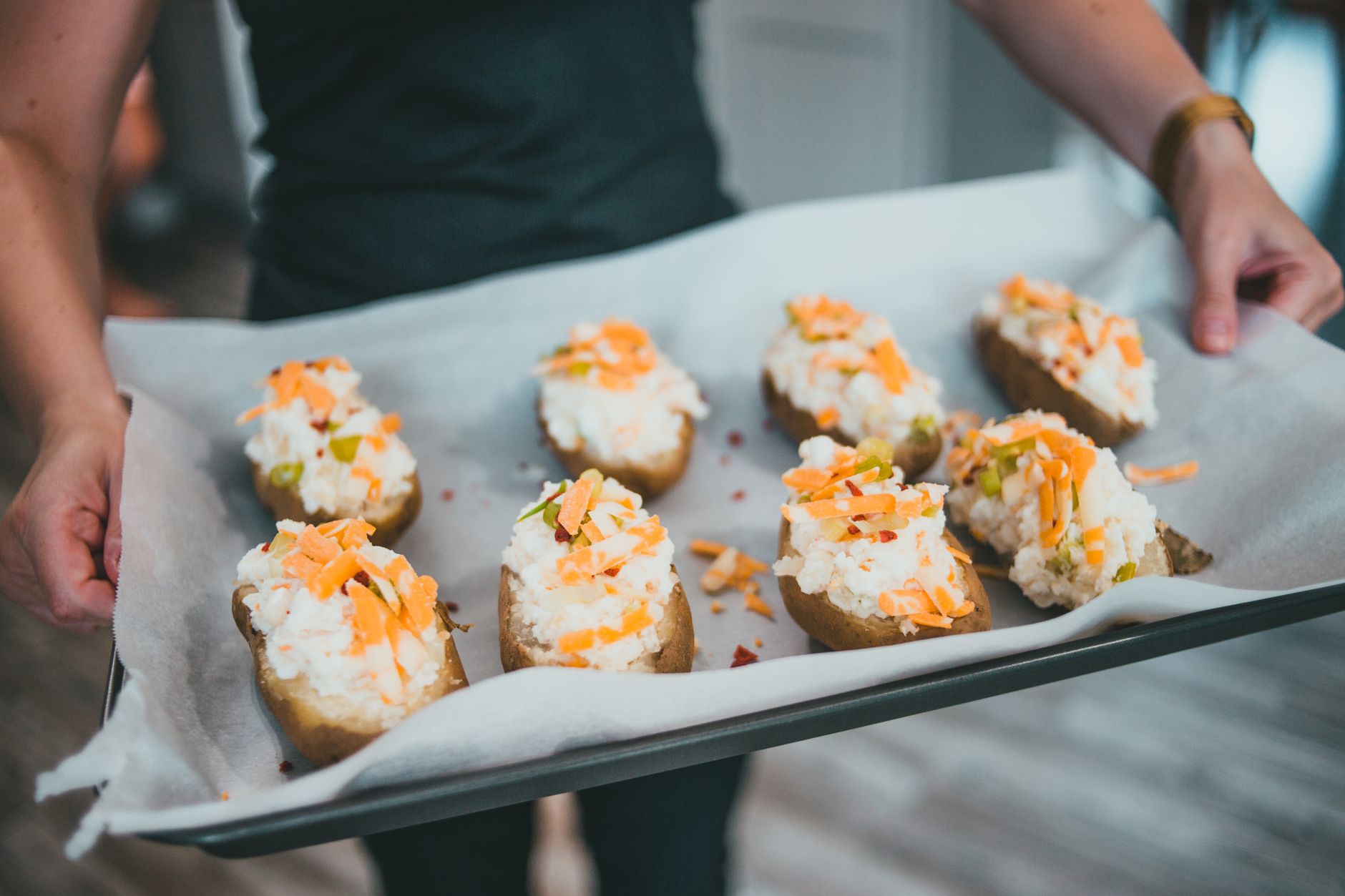
- Cheesy Baked Potatoes: Top your baked potato with shredded cheese, letting it melt into the fluffy interior.
- Loaded Baked Potatoes: Add bacon bits, sour cream, chives, and cheese for a hearty meal.
- Herbed Butter: Mix softened butter with fresh herbs, garlic, or spices and spread it on the baked potato for a flavor boost.
- Vegetarian or Vegan Options: Load up with sautéed vegetables like broccoli or spinach, or try nutritional yeast for a cheesy flavor without dairy.
Make-Ahead and Meal Prep Tips
Baked potatoes can be part of an effective meal prep strategy. Here’s how you can make them ahead of time:
- Batch Cooking: Bake a large batch of potatoes during the week and store them for later use. They can be reheated easily.
- Storage: Allow your baked potatoes to cool completely before wrapping them in aluminum foil or placing them in an airtight container. Store in the refrigerator for up to five days.
- Reheating: To reheat, place them in a preheated oven at 350°F (175°C) for about 15-20 minutes or microwave individually for about 3-5 minutes.
How to Serve Baked Potatoes
Baked potatoes can stand alone as a meal or accompany a variety of dishes. Here are some serving suggestions:
- As a Side Dish: Serve alongside grilled chicken, fish, or steak.
- As a Main Dish: Complete with various toppings for a hearty vegetarian meal.
- In Salads: Use diced baked potatoes in salads or chilled potato salad for a creative twist.
Conclusion
Understanding the right temperature and techniques for baking potatoes is essential for achieving that perfect fluffiness and flavor. When baking at 400°F, selecting the right type of potato, and following the tips outlined here, you’re well on your way to enjoying a delicious baked potato experience.
To enhance your cooking journey, consider exploring how to bake chicken legs at 400°F or learn about the best methods for baking boneless pork chops. Each of these preparations can accompany your baked potatoes beautifully, creating satisfying and delicious meals.