
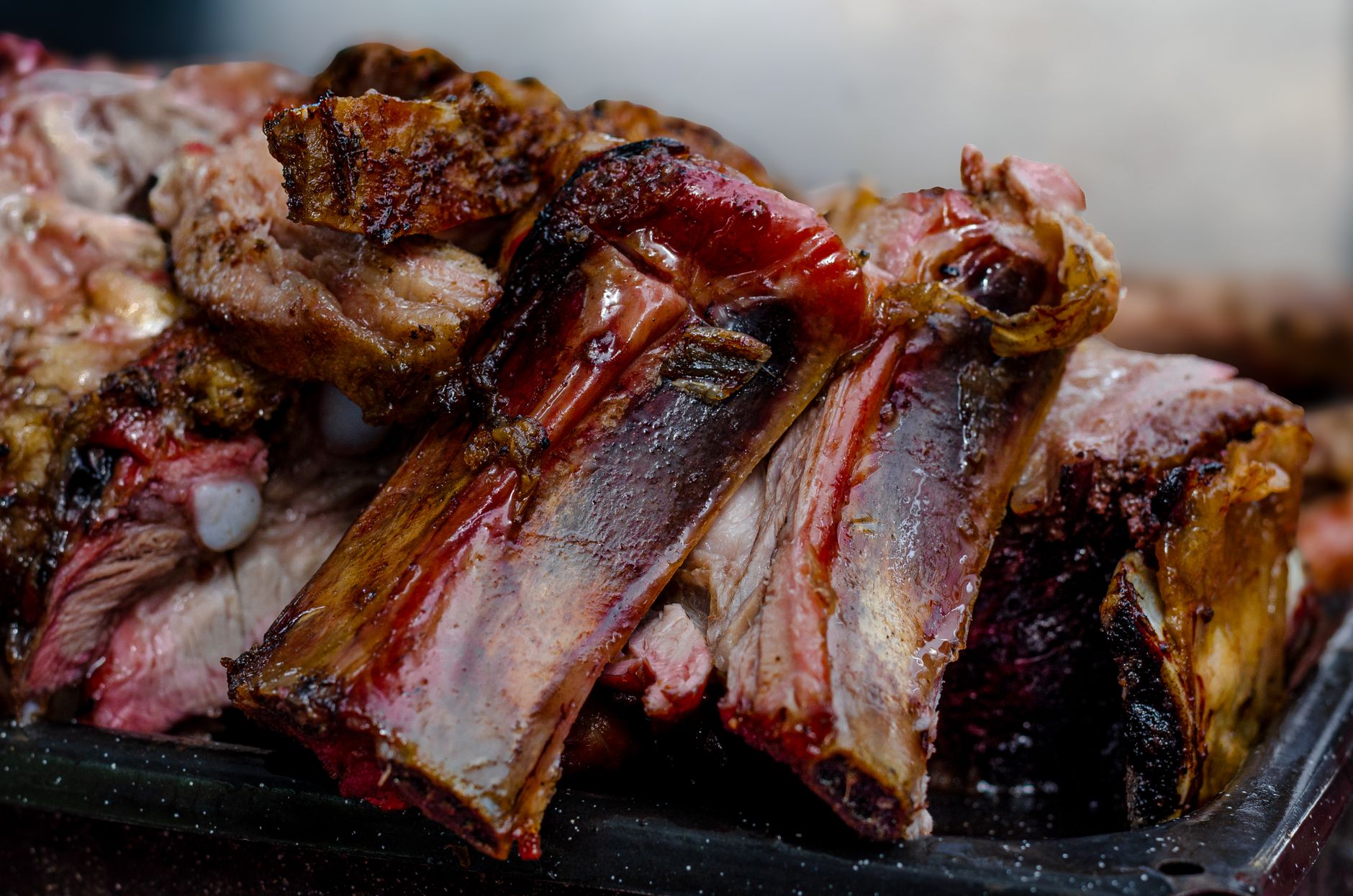
Beef back ribs are a popular cut of meat that delivers intense flavor and a tender bite when cooked properly. They come from the upper rib area of the cow, providing a rich experience for meat lovers who appreciate the unique taste that this cut offers.
In this article, we’ll explore what beef back ribs are, how they differ from other cuts, their taste and texture, as well as some kitchen uses and cooking techniques that will elevate your meals. By the end, you’ll have a comprehensive understanding of beef back ribs and how to incorporate them into your cooking repertoire.
What Are Beef Back Ribs?
Beef back ribs, also known simply as back ribs, are a cut of beef that comes from the rib section of the cow. They are located along the upper spine area, specifically above the plate and short ribs. These ribs are typically separated from the loin muscle and are characterized by their meatiness and abundant flavor.
Back ribs differ from short ribs in that they contain less meat and are generally more delicate. The meat between the bones tends to be leaner, which can make them cook faster and require different cooking techniques to yield the best results.
Taste and Texture of Beef Back Ribs
Beef back ribs are known for their rich, beefy flavor. The meat is tender, juicy, and well-marbled, contributing to its moist texture when cooked properly. The flavor is slightly sweeter than short ribs, which can make back ribs a preferred choice for those who enjoy a milder taste.
When cooked, the long bones of the rib enhance the presentation of the dish, making them visually appealing for gatherings or special occasions. The meat easily pulls away from the bone, rewarding you with clean bites that make back ribs a satisfying dish.
Cooking Techniques for Beef Back Ribs
There are several popular methods for preparing beef back ribs, including smoking, grilling, braising, and slow-cooking. Each method has its unique advantages and can significantly affect the final flavor and texture of the dish.
1. Smoking Beef Back Ribs
Smoking beef back ribs is one of the most favored methods among barbecue enthusiasts. The slow cooking process allows the meat to absorb the smoky flavors, resulting in a tender and flavorful dish.
- Preparation: Before smoking, apply your favorite dry rub generously to the ribs. Let them rest in the refrigerator for a few hours or overnight to enhance the flavor.
- Equipment: For smoking, you will need a smoker or a charcoal grill set up for indirect cooking.
- Temperature: Aim for a cooking temperature of 225°F to 250°F (107°C to 121°C).
- Cooking Time: Depending on the size of the ribs, smoking can take anywhere from 4 to 6 hours.
2. Grilling Beef Back Ribs
Grilling is another method of cooking beef back ribs that can yield delicious results. When grilled over higher heat, the outside gets a nice char while the inside remains tender.
- Preparation: Season with salt and pepper or a marinade, then let sit for at least 30 minutes before grilling.
- Equipment: A gas or charcoal grill can be used effectively.
- Cooking Temperature: Set your grill to a medium-high heat.
- Cooking Time: Rib cooking on direct heat generally takes about 20 to 30 minutes, rotating often for even cooking.
3. Braising Beef Back Ribs
Braising involves cooking the ribs slowly in a liquid, making it a great choice for those who want to ensure the meat is tender and infused with flavors.
- Preparation: Season the ribs and brown them in a Dutch oven or heavy pot before adding a liquid such as beef broth, wine, or tomato sauce.
- Cooking Temperature: Cook on low heat in the oven at about 325°F (163°C).
- Cooking Time: Braising usually takes 2 to 3 hours until the meat is tender and pulls from the bone easily.
4. Slow-Cooking Beef Back Ribs
For convenience, slow-cooking beef back ribs is a reliable method that allows for a hands-off approach. The low cooking temperature ensures juicy, tender meat.
- Preparation: Apply seasoning, then place the ribs in a slow cooker. You may want to use a small amount of liquid to help the cooking process.
- Cooking Temperature: Set your slow cooker to low.
- Cooking Time: Cook for about 6 to 8 hours for maximum tenderness.
Common Mistakes to Avoid When Cooking Beef Back Ribs
Cooking beef back ribs can be straightforward, but there are common pitfalls to watch out for to ensure your dish turns out perfectly.
- Starting with Cold Meat: Allow your ribs to reach room temperature before cooking to ensure even doneness.
- Overcooking: Keep an eye on the cooking time and use a meat thermometer for best results. Beef back ribs are typically done when they reach an internal temperature of 190°F to 203°F (88°C to 95°C).
- Skipping the Resting Period: After cooking, let the ribs rest for at least 10 to 15 minutes before slicing to retain moisture.
Beef Back Ribs vs. Other Rib Cuts
Understanding the differences between beef back ribs and other types of rib cuts can help you make informed choices when shopping or cooking. Here are some comparisons:
1. Beef Short Ribs
Beef short ribs come from the lower part of the rib section and tend to have more meat compared to back ribs. They are richer in flavor due to their higher fat content, making them ideal for braising and slow cooking. In contrast, beef back ribs are leaner and have a milder flavor.
2. Beef Spare Ribs
Spareribs are cut from the belly and are often larger and meatier than back ribs. They have a higher fat content, which can make them less tender than back ribs. Cooking methods for spare ribs usually involve slow cooking, braising, or barbecuing for the best flavor.
3. Baby Back Ribs
Baby back ribs are smaller and more tender than beef back ribs, making them a popular choice for barbecuing. They tend to be leaner and have less meat between the bones compared to back ribs. Baby back ribs require less cooking time than beef back ribs.
Kitchen Uses for Beef Back Ribs
Beef back ribs can elevate various meals and contribute to a satisfying dining experience. Here are some ideas for incorporating them into your kitchen routine:
- Barbecue Meals: Serve smoked or grilled beef back ribs with classic barbecue sides such as coleslaw, cornbread, or baked beans for a perfect summer cookout.
- Comfort Food: Braise back ribs in a hearty sauce and serve them over mashed potatoes or rice for a satisfying comfort meal.
- Tacos: Shred tender beef back ribs and use them as a filling for tacos, topped with fresh cilantro and lime juice.
- Seasoned Broth: After cooking, the bones can be used to make a rich broth, which can be the base for soups or sauces.
Substituting Beef Back Ribs
Not all cuts of beef are interchangeable, but there are a few alternatives you can use if beef back ribs are unavailable:
- Beef Short Ribs: More flavorful and fattier, these can be used in recipes calling for beef back ribs, though they will yield a richer taste.
- Beef Spare Ribs: Larger and with more meat, these can be grilled or slow-cooked similar to back ribs; however, cooking times may vary.
- Pork Back Ribs: While the flavor will differ, pork ribs can be a suitable substitute in barbecue recipes, providing a similar texture.
Storage and Reheating Tips for Beef Back Ribs
Leftover beef back ribs can be stored and reheated for future meals, making them a great option for meal prep. Here are the guidelines:
- Refrigeration: Store leftover cooked ribs in an airtight container in the refrigerator for up to 3 to 4 days.
- Freezing: You can freeze cooked ribs for extended storage. Wrap them tightly in plastic wrap or aluminum foil, then place them in a freezer-safe container. They can last for up to 3 months.
- Reheating: When reheating, use the oven or grill to maintain the meat’s moisture. Preheat the oven to 350°F (175°C), place the ribs in a baking dish, add a splash of broth or water, cover with foil, and heat for about 20 to 30 minutes. On the grill, heat at medium temperature, turning occasionally.
Where to Buy Beef Back Ribs
Beef back ribs can typically be found at most grocery stores, butcher shops, and specialty meat providers. When shopping, look for ribs that have good marbling and a rich color. The bones should be intact and not overly trimmed for the best flavor.
Conclusion
Beef back ribs are a flavorful and versatile cut of meat that can add excitement to your cooking. Whether you’re smoking, grilling, or braising them, these ribs can become a centerpiece of your meals. With an understanding of their unique qualities and preparation techniques, you’ll be equipped to create delicious dishes that showcase the best of beef back ribs.
For additional cooking inspiration, check out our smoked beef ribs recipe or try the easy slow cooker ribs recipe for tender results with minimal effort.