
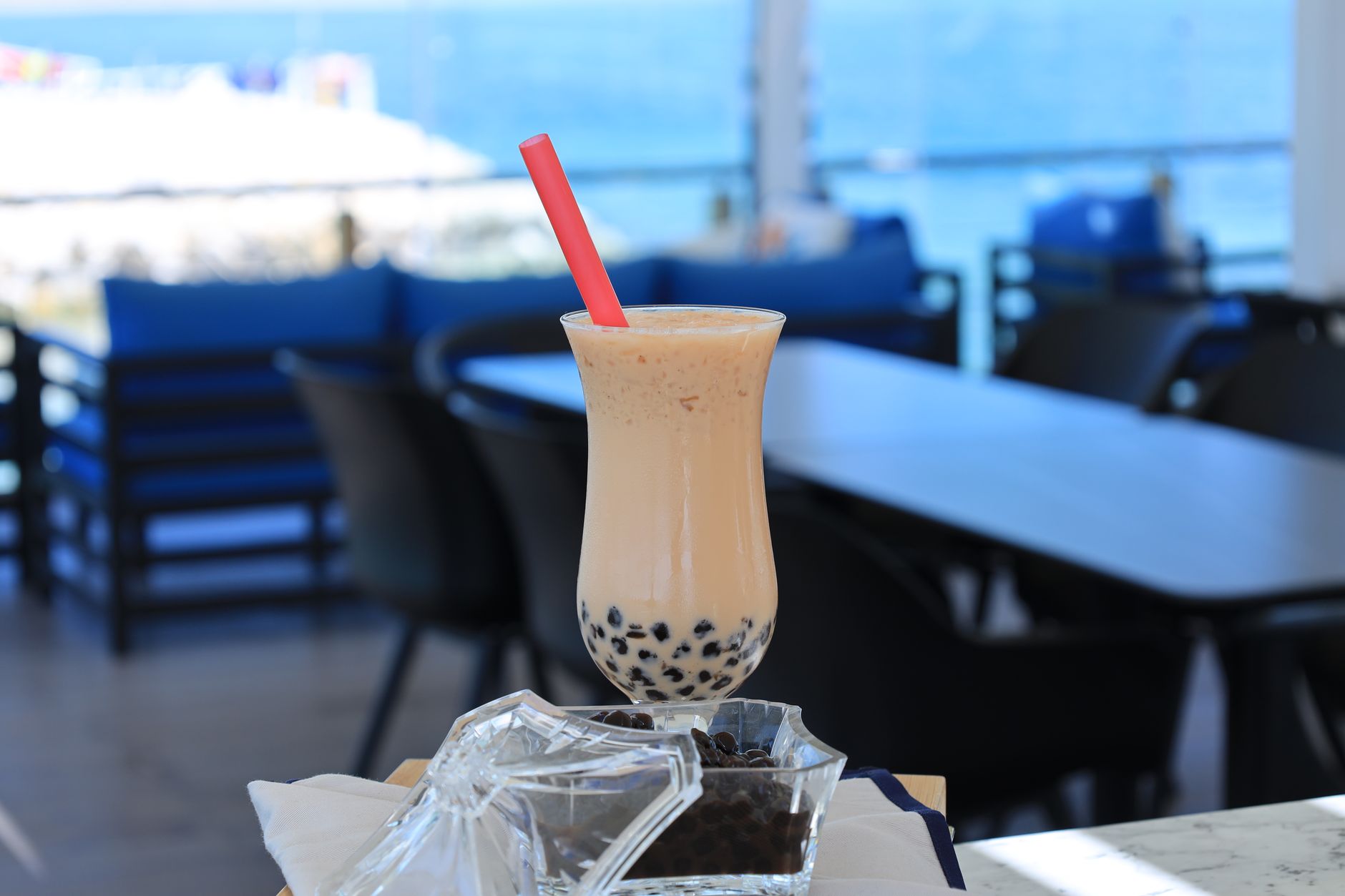
Boba, also known as tapioca pearls, have become a popular addition to beverages, especially bubble tea. Their chewy texture and unique flavor enhance drinks, making them a delightful treat. However, like any food item, boba has a shelf life, and understanding how long it lasts in the fridge is crucial for enjoying it at its best.
In this article, we will explore the lifespan of boba in the refrigerator, factors that affect its freshness, optimal storage methods, and tips for using leftover boba. Whether you’re a boba enthusiast or simply curious, this guide will help you make the most of your boba experience.
How Long Does Boba Last in the Fridge?
Generally, boba can last about 3 to 5 days in the fridge after it has been cooked. The exact time may vary depending on storage conditions and the type of boba used. It’s important to store boba properly to extend its shelf life and maintain its texture.
Factors Affecting the Shelf Life of Boba
Several variables can influence how quickly boba degrades, including:
- Type of Boba: There are different types of boba, such as sweetened, unsweetened, black, or white tapioca pearls. Each type may have a different shelf life due to varying ingredients and preparation methods.
- Cooking Method: How boba is cooked—boiled, steamed, or soaked—can impact how long it lasts. Proper cooking methods help maintain their chewiness and prevent them from becoming overly soft.
- Storage Conditions: Boba should be stored in an airtight container to prevent moisture loss and contamination. Refrigeration slows bacterial growth, but improper storage can reduce shelf life.
How to Store Cooked Boba
Storing cooked boba properly is essential to maintain its texture and flavor. Follow these steps for optimal storage:
- Cool the Boba: Allow cooked boba to cool to room temperature before storing. Putting hot boba directly into the fridge can create condensation, leading to soggy pearls.
- Use an Airtight Container: Transfer the cooled boba into a clean, airtight container. This will help maintain moisture while preventing the boba from absorbing other odors in the fridge.
- Add Syrup (Optional): If desired, add a bit of simple syrup (a mixture of water and sugar) to the container. This can help maintain the flavor and consistency of the boba during storage.
- Refrigerate Promptly: Place the sealed container in the refrigerator immediately after prepping. Ensuring that the boba is cold will help to prevent spoilage.
How to Tell If Boba Has Gone Bad
Knowing the signs of spoiled boba is crucial for food safety and quality. Here are some indicators that your boba may no longer be safe to consume:
- Texture Changes: If boba has become excessively soft, mushy, or gummy beyond the usual chewiness, it may be best to discard it.
- Unpleasant Odor: Fresh boba has a mild, sweet scent. If it develops a sour or off-putting smell, it’s a sign of spoilage.
- Discoloration: Changes in color, such as darkening or unusual spots, are indications that the boba is not fresh.
- Presence of Mold: If you notice any mold or unusual growth, it’s essential to throw away the boba immediately.
Tips for Using Leftover Boba
If you find yourself with leftover boba, here are some creative ways to use it before it spoils:
- Mix into Smoothies: Blend boba into your favorite smoothies for added texture and a fun twist.
- Incorporate into Desserts: Add boba to puddings, ice creams, or yogurt for a chewy surprise.
- Make Bubble Tea: If you have leftover boba, quickly prepare bubble tea at home using different flavors. This ensures you enjoy your boba while it’s still tasty.
- Add to Salads: Surprisingly, boba can add an interesting twist to fruit salads or savory ones, giving an unexpected texture.
What About Uncooked Boba?
If you have uncooked boba, it has a longer shelf life than cooked boba. Uncooked tapioca pearls can typically be stored in a cool, dry place for several months, often up to a year, depending on the expiration date indicated on the packaging. Here’s how to store uncooked boba:
- Keep in Original Packaging: If sealed, keep them in their original package until you’re ready to cook them. If the bag has been opened, transfer the pearls into an airtight container.
- Store Away from Moisture: Silica gel packets can be placed in the container to help absorb moisture.
- Avoid Direct Light: Store the boba in a dark cupboard or pantry to prevent exposure to sunlight, which can affect their quality.
Cooking Boba: What You Need to Know
When you decide to prepare your uncooked boba, following the right cooking method is crucial for ensuring optimal chewiness. While many instant options are available, traditional cooking usually yields the best results.
Ingredients Needed for Cooking Boba
- Tapioca pearls
- Water
- Sweetener (optional, e.g., sugar or brown sugar)
Basic Cooking Instructions
- Boil Water: In a large pot, bring enough water to a rolling boil. The general ratio is about 10 cups of water for every cup of boba.
- Add Boba: Once the water is boiling, add the tapioca pearls to the pot. Stir gently to prevent clumping.
- Cook: Allow the boba to cook according to package instructions, typically around 25 minutes. Stir occasionally.
- Check for Doneness: The boba should be opaque and chewy. If needed, you can cook longer until the desired texture is reached.
- Rinse and Drain: Once cooked, drain the boba in a strainer and rinse briefly with cold water to stop the cooking process.
- Syrup (Optional): For added flavor, toss the cooked boba in a sweet syrup before storing or serving.
Common Mistakes When Cooking Boba
Even though cooking boba seems straightforward, various pitfalls can diminish your final product. Avoid these common mistakes:
- Not Using Enough Water: Using too little water can cause the boba to clump together and affect the cooking process.
- Skipping the Rinse: Failing to rinse the cooked boba can result in a gummy texture.
- Cooking Too Long: Overcooking boba leads to a mushy texture—watch the clock carefully.
Reheating Boba: Best Practices
If your boba has been stored and you want to use it, reheating is an option. Here’s how to do it without compromising the texture:
- Boil Water: Bring water to a boil in a small pot.
- Add Boba: Add stored boba to the boiling water just long enough to reheat, usually about 1-3 minutes.
- Remove and Drain: Once heated, drain the boba and toss in a bit of syrup if desired to restore flavor.
Conclusion
In summary, knowing how to store and handle boba is essential for making the most of this delightful ingredient. Cooked boba can last in the fridge for 3 to 5 days when stored properly, while uncooked boba has a shelf life of several months. Be mindful of texture, odor, and color to ensure freshness, and utilize creative ways to repurpose leftover boba. Enjoy bubble tea making and experimenting with boba in all kinds of dishes.
For more insights into food storage, check out how long cooked chicken lasts or how long cottage cheese is good for after opening.