
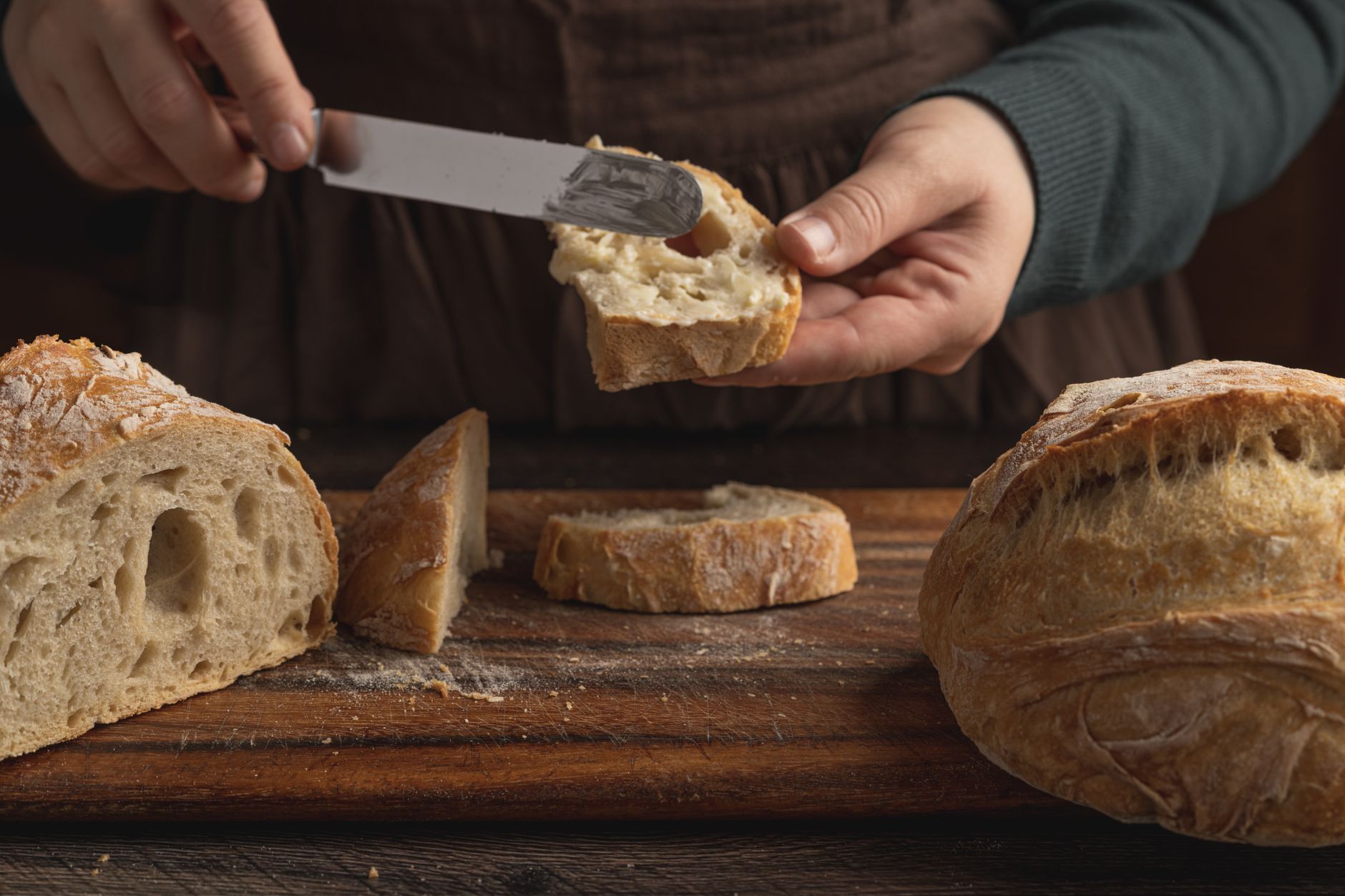
Salted butter is a staple in many kitchens, prized for its rich flavor and versatility. However, as health consciousness grows, many people wonder about its nutritional impact and whether it is detrimental to their health. This article will explore the nutritional profile of salted butter, its pros and cons, and how to incorporate it into a balanced diet.
We’ll cover everything from what salted butter is made of, potential health concerns, recommended portions, and how it compares to unsalted butter. This comprehensive guide will help you make informed choices about using salted butter in your cooking and baking.
Is Salted Butter Bad for You?
Salted butter is not inherently bad for you when consumed in moderation. It can provide essential nutrients, including vitamins and healthy fats. However, excessive consumption of salted butter can lead to health issues, particularly due to its sodium content. Understanding the right portions and dietary context is crucial for making healthy choices.
What is Salted Butter?
Salted butter is simply butter that has salt added to it. The salt serves several purposes: it enhances the flavor, acts as a preservative, and contributes to the texture of the butter. Salted butter typically contains around 1-3% salt by weight, depending on the brand. This variety is commonly used in cooking and baking because it adds depth of flavor to both savory and sweet dishes.
Nutritional Profile of Salted Butter
To understand whether salted butter is bad for you, it’s important to look at its nutritional content. A standard serving size of salted butter is one tablespoon, which contains approximately:
- Calories: 100
- Total Fat: 11 grams
- Saturated Fat: 7 grams
- Trans Fat: 0 grams
- Cholesterol: 30 milligrams
- Sodium: 90-100 milligrams
- Vitamin A: 11% of the Daily Value (DV)
Salted butter is high in saturated fat, which can raise cholesterol levels if consumed excessively. It also contains small amounts of sodium, which can be problematic for individuals monitoring their salt intake.
Health Benefits of Salted Butter
Despite the potential downsides of saturate fat and sodium, salted butter does have several health benefits when enjoyed in moderation:
- Rich in Nutrients: Salted butter is a good source of fat-soluble vitamins, particularly vitamin A, which is essential for eye health and immune function.
- Healthy Fats: The fat in salted butter can help with the absorption of vitamins and provide energy. Nutrient-dense fats can also help maintain a feeling of fullness.
- Probiotic Source: If the butter is made from milk from grass-fed cows, it may contain beneficial fatty acids that support heart health.
Potential Downsides of Salted Butter
While there are benefits, there are also some considerations to keep in mind regarding the consumption of salted butter:
- Sodium Content: The addition of salt increases the sodium content, which can be problematic for those with hypertension or those advised to limit sodium intake.
- Saturated Fat: High saturated fat intake has been linked to increased levels of LDL cholesterol, which may contribute to heart disease. Moderation is key.
- Caloric Density: Salted butter is calorie-dense, meaning it can contribute significantly to daily caloric intake if not measured properly.
How to Incorporate Salted Butter Wisely
Incorporating salted butter into your diet can be done thoughtfully to balance enjoyment with health. Here are some practical tips:
Portion Control
One tablespoon of salted butter is enough to add flavor to dishes such as vegetables, breads, or pasta. Being mindful of serving sizes helps manage calorie and fat intake effectively.
Use in Cooking and Baking
Salted butter adds wonderful flavor to many recipes, but when baking, it’s essential to account for the salt content. When substituting salted butter for unsalted butter in baking, reduce the added salt in the recipe. Here’s a quick guide to ratio adjustments:
| Butter Type | Recommended Salt Reduction |
|---|---|
| 3 tablespoons unsalted butter | Reduce salt by 1/4 teaspoon |
| 1 cup unsalted butter | Reduce salt by 1/2 teaspoon |
Flavor Enhancer
Use salted butter to enhance the flavor of simple dishes such as steamed vegetables and baked potatoes. Its rich, creamy consistency adds depth without requiring additional seasoning.
Variations and Substitutes
If you’re looking for alternatives to salted butter, keep the following options in mind:
- Unsalted Butter: Best in baking to control salt content. Use a pinch of salt if needed.
- Coconut Oil: A dairy-free option that is solid at room temperature and adds a unique flavor. It can be used in a 1:1 ratio for butter.
- Olive Oil: A heart-healthy alternative that works well in cooking. Two tablespoons of olive oil can replace one tablespoon of butter.
- Nut Butters: Almond or peanut butter can be used to add flavor and fats, especially in recipes like cookies or smoothies.
Common Mistakes When Using Salted Butter
Even the best cooks can make errors with salted butter. Here are some typical mistakes and how to avoid them:
- Ignoring Salt Content: Always consider the saltiness when combining salted butter and other sodium-rich ingredients.
- Not Measuring Properly: Because salted butter is calorie-dense, measuring out the right amount helps maintain health goals.
- Substituting without Adjusting: Failing to lower salt in recipes when using salted instead of unsalted butter can yield overly salty results.
Recipes to Enjoy with Salted Butter
There are countless ways to enjoy salted butter. Here are a few recipe ideas that highlight its flavor:
1. Garlic Butter Shrimp
This quick and flavorful dish showcases salted butter perfectly.
Ingredients:
- 1 pound large shrimp, peeled and deveined
- 4 tablespoons salted butter, divided
- 3 cloves garlic, minced
- 1 tablespoon lemon juice
- Salt and pepper to taste
Method:
- In a skillet, melt 2 tablespoons of salted butter over medium heat.
- Add garlic and sauté for 1 minute until fragrant.
- Add shrimp, cook for 2-3 minutes on each side until pink.
- Stir in lemon juice and remaining butter, season with salt and pepper, and serve.
2. Salted Butter Cookies
These cookies benefit from the sweet and salty contrast.
Ingredients:
- 1 cup all-purpose flour
- 1/2 cup salted butter, softened
- 1/3 cup granulated sugar
- 1/3 cup brown sugar
- 1 egg
- 1 teaspoon vanilla extract
Method:
- Preheat oven to 350°F (175°C).
- Cream together butter and sugars until fluffy.
- Add egg and vanilla; mix well.
- Gradually add flour, mixing until just combined.
- Drop spoonfuls onto a baking sheet and bake for 10-12 minutes.
Storage and Reheating
Proper storage of salted butter prolongs its freshness. Store it in the refrigerator and consume it within a month for the best flavor. If you find you have excess salted butter, it can be frozen for up to six months. To thaw, simply transfer it to the fridge for a few hours or leave it at room temperature until soft.
Conclusion
Salted butter can be part of a balanced diet when used in moderation. It offers flavor and essential nutrients while enhancing a wide range of dishes. By being mindful of portion sizes and sodium intake, you can enjoy salted butter without compromising your health. Consider swapping with unsalted varieties in baking when appropriate, and explore various recipes to appreciate its rich flavor.
To continue expanding your culinary repertoire, consider checking out our guide on making clarified butter or trying your hand at our cinnamon roll recipe with heavy cream. Each will help deepen your appreciation for butter and its glorious roles in cooking and baking.