
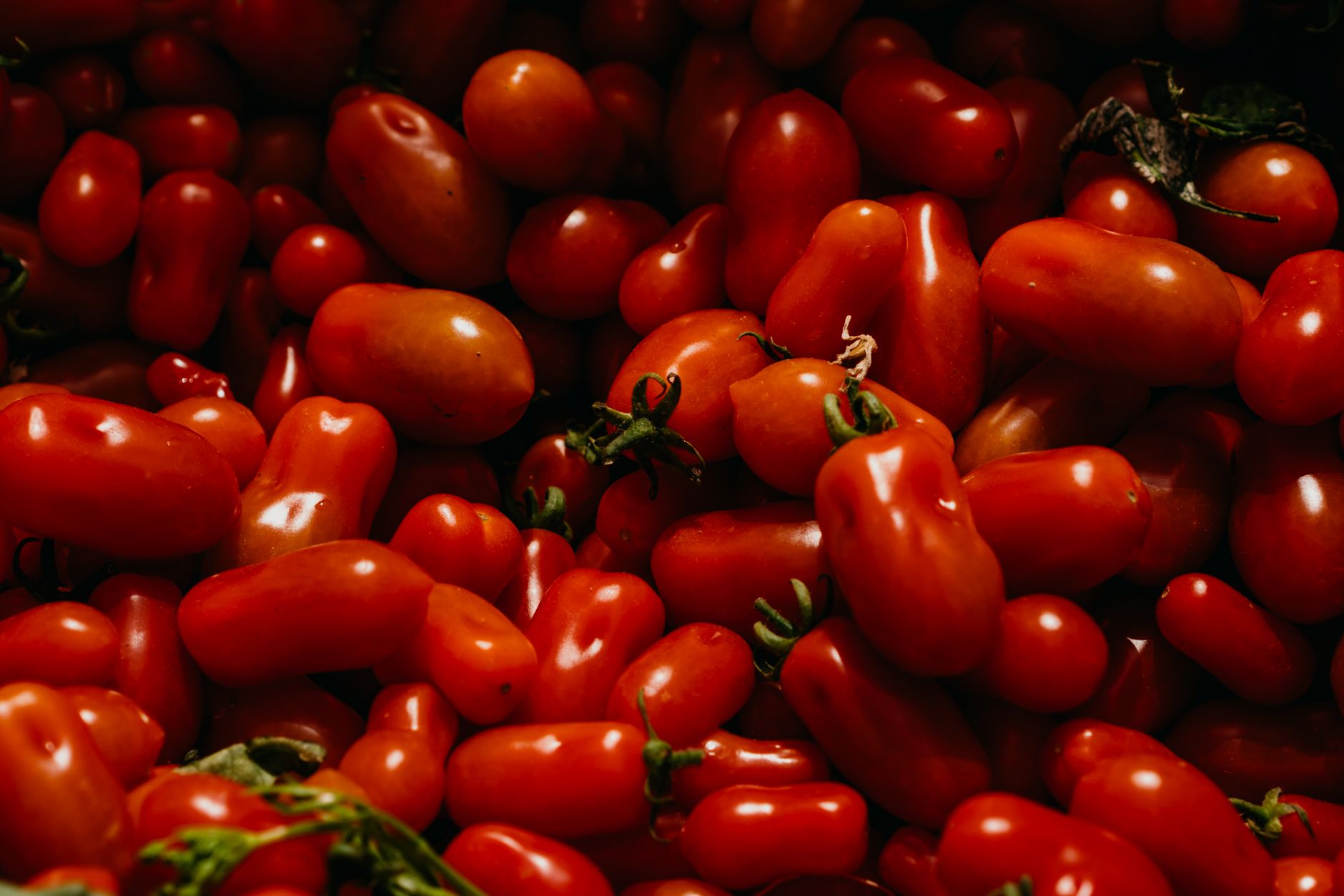
When cooking with fresh ingredients, knowing how many of a specific item you need in a pound can be essential for recipe accuracy. Plum tomatoes, with their rich flavor and firm texture, are a popular choice for sauces, salads, and countless dishes. This guide will explore how many plum tomatoes are in a pound, offering valuable conversions and tips.
Whether you’re preparing a delicious marinara sauce or adding a fresh touch to a salad, understanding the quantity of plum tomatoes you’ll need can streamline your cooking and meal prep. Let’s dive into the specifics of plum tomatoes and their measurements!
How Many Plum Tomatoes in a Pound?
On average, there are about 4 to 5 medium-sized plum tomatoes in one pound. However, this number can vary depending on the size and variety of the tomatoes. Larger plum tomatoes may yield fewer than this average, while smaller ones may allow for more.
Understanding Plum Tomatoes
Plum tomatoes, also known as Roma or paste tomatoes, are characterized by their oval shape and dense flesh. This makes them ideal for cooking, particularly in sauces and canning, as they contain fewer seeds and thicker flesh than other varieties. The balance of sweetness and acidity in plum tomatoes enhances their culinary versatility.
Flavor and Texture
The flavor of plum tomatoes is robust, with a slight sweetness and a tangy finish. Their firm texture holds up well during cooking, providing a rich base for sauces and a satisfying bite for salads. This combination makes them a favorite among chefs and home cooks alike.
Culinary Uses
- Sauces (e.g., marinara, tomato sauce)
- Salads (e.g., caprese salad)
- Soups (e.g., tomato soup)
- Canning and preserving
- Stuffed tomatoes
- Salsas and dips
Measuring Plum Tomatoes
When measuring plum tomatoes, size and ripeness play a crucial role. It’s important to choose uniform tomatoes for recipes to ensure consistent cooking times and flavors. Here’s a breakdown of estimating quantities:
Size Differences
Tomatoes come in various sizes, and here’s a general guideline:
- Small Plum Tomatoes: Approximately 6 to 8 per pound
- Medium Plum Tomatoes: Approximately 4 to 5 per pound
- Large Plum Tomatoes: Approximately 2 to 3 per pound
Using a Kitchen Scale
If you want to be precise, using a kitchen scale is the most reliable method. Place the tomatoes on the scale to measure exactly one pound. This method is especially helpful when a recipe requires a specific weight rather than a number of tomatoes.
Conversions and Substitutions
Sometimes, you might need to convert weight measurements to volume or vice versa. Here’s how to do that with plum tomatoes:
Volume Measurement
One pound of plum tomatoes typically yields about 3 to 4 cups when chopped. This can be useful for making sauces or salads when you need to measure your ingredients by volume instead of weight.
Practical Tips for Working with Plum Tomatoes
When selecting and preparing plum tomatoes, keep these practical tips in mind:
- Freshness: Look for tomatoes that are firm and have a rich color without any blemishes or soft spots.
- Ripeness: Allow unripe tomatoes to ripen at room temperature away from direct sunlight for the best flavor.
- Storage: Store ripe plum tomatoes in a cool, dark place. If they become very ripe, place them in the refrigerator to extend their shelf life.
Preparation Techniques
When preparing plum tomatoes for cooking, here are some common techniques:
- Peeling: To easily peel plum tomatoes, score an “X” on the bottom and blanch them in boiling water for about 30 seconds. Transfer them to an ice bath, and the peels will slip off smoothly.
- Seeding: Halve the tomatoes and use a spoon to scoop out the seeds. This reduces moisture in sauces.
- Dicing: Cut the tomatoes into uniform sizes to ensure even cooking.
Common Recipes Using Plum Tomatoes
Plum tomatoes shine in a variety of recipes. Here are a few favorites where their flavor and texture can be showcased:
Marinara Sauce
This classic Italian tomato sauce is perfect for pasta dishes, pizzas, and more. Here’s a simple overview:
- Yield: Approximately 4 cups
- Preparation Time: 10 minutes
- Cooking Time: 30 minutes
- Total Time: 40 minutes
Ingredients
- 2 pounds plum tomatoes, diced (about 8 to 10 medium tomatoes)
- 2 tablespoons olive oil
- 4 cloves garlic, minced
- 1 onion, finely chopped
- 1 teaspoon dried oregano
- Salt and pepper, to taste
- Fresh basil, for garnish
Steps
- In a large saucepan, heat olive oil over medium heat.
- Add garlic and onion; sauté until translucent, about 5 minutes.
- Add the diced plum tomatoes and oregano. Stir to combine.
- Simmer the sauce for 30 minutes, stirring occasionally, until thickened.
- Add salt and pepper to taste. Serve hot with pasta or as a pizza sauce.
Stuffed Plum Tomatoes
These charming bite-sized treats make a perfect appetizer. Here’s a brief technique:
- Yield: 4 servings
- Preparation Time: 15 minutes
- Cooking Time: 20 minutes
- Total Time: 35 minutes
Ingredients
- 4 large plum tomatoes
- 1 cup cooked quinoa or rice
- 1/2 cup corn kernels
- 1/4 cup chopped cilantro
- 1 teaspoon cumin
- Salt and pepper, to taste
Steps
- Preheat the oven to 375°F (190°C).
- Cut the tops off the tomatoes and scoop out the insides.
- Mix quinoa, corn, cilantro, cumin, and season with salt and pepper.
- Stuff the mixture into the tomatoes and place them in a baking dish.
- Bake for 20 minutes until heated through and slightly golden.
Storage and Preservation Techniques
To extend the life of your plum tomatoes, consider these storage and preservation methods:
Short-Term Storage
Fresh plum tomatoes may be stored at room temperature for up to a week. If you’ve cut tomatoes, refrigerate them in an airtight container for up to 3 days. Use them as soon as possible for optimal flavor.
Long-Term Storage
For longer storage, consider canning or freezing:
- Canning: Follow a USDA-approved pressure canning method to ensure safety and longevity. Make sure to use fresh tomatoes and sterilize your jars thoroughly.
- Freezing: Wash and chop the tomatoes, spread them on a baking sheet, freeze until solid, then transfer to freezer bags. They can be kept frozen for up to 6 months.
Common Mistakes to Avoid
When cooking with plum tomatoes, avoiding a few common errors can enhance your dishes:
- Using Overripe Tomatoes: Extremely ripe tomatoes can lead to overly watery dishes. Aim for firmness.
- Not Adjusting Seasoning: Fresh tomatoes may need additional seasoning compared to canned varieties; taste and adjust accordingly.
- Ignoring Skin Removal: Skins could remain tough when not removed, especially in sauces; be sure to peel them as needed.
Conclusion
Knowing how many plum tomatoes are in a pound can simplify your cooking and meal planning. With their unique flavor and versatility, plum tomatoes are an excellent choice in the kitchen. By understanding conversions, storage methods, and preparation techniques, you’ll be well-equipped to enjoy this delightful ingredient.
For more delicious ideas, check out our recipes on tomato juice and tomato gravy to expand your culinary repertoire with tomatoes!