
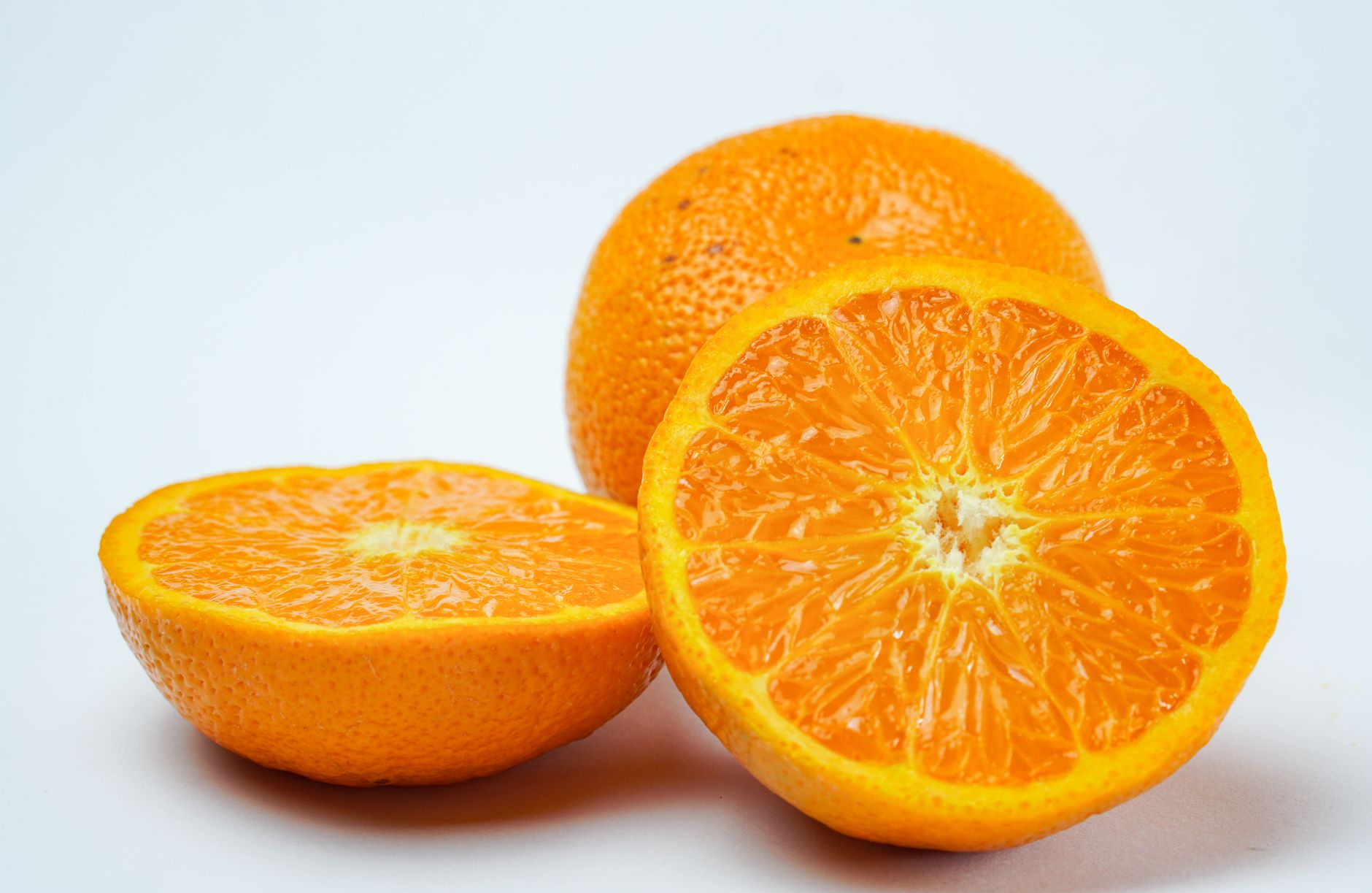
When exploring the world of fruits, it’s always intriguing to discover those that start with unique letters, such as “O.” Among the fruits that fit this category, two key players emerge: olives and oranges. While they may not be commonly paired together, their culinary versatility and rich flavors enable them to shine in different dishes and preparations.
This article delves into the culinary uses, health benefits, and ways to incorporate olives and oranges into your meals. Whether you’re creating a refreshing drink or a savory dish, understanding how to use these fruits can enhance your cooking repertoire.
What Fruit Starts with the Letter O?
The two primary fruits that start with the letter O are olives and oranges. Olives are small, bitter fruits used primarily for their oil, while oranges are juicy and sweet, making them a staple in juices and desserts. Both fruits have unique flavor profiles and numerous uses in cooking.
Olives: Versatile and Flavorful
Olives are small, nutrient-rich fruits that belong to the Oleaceae family. They come in various types, including green, black, Kalamata, and more. While often considered a fruit, olives are unique due to their high oil content and distinct bitter taste when consumed raw.
Types of Olives
Here are some common varieties of olives:
- Green Olives: These olives are harvested before they are fully ripe, yielding a firmer texture and sharp flavor.
- Black Olives: These are fully ripe olives and possess a milder taste. They are typically softer and favored for snacking.
- Kalamata Olives: These aromatic olives, common in Mediterranean cuisine, have a rich flavor and dark purple-black color.
- Castelvetrano Olives: Known for their sweetness and bright green color, these are often enjoyed as a snack.
Culinary Uses of Olives
Olives can be utilized in various dishes, either as a key ingredient or as a garnish. Here are some common uses:
- Salads: Chopped olives add flavor and texture to salads. For instance, a classic Greek salad incorporates Kalamata olives.
- Pasta Dishes: Adding olives to pasta sauces can elevate the flavor. Mediterranean-style pasta often includes olives for tanginess.
- Tapenade: A spread made of finely chopped olives, capers, and anchovies, tapenade is perfect for appetizers or as a sandwich spread.
- Bruschetta: Chopped olives can be added to bruschetta toppings for added depth.
Health Benefits of Olives
Olives are packed with antioxidants, vitamins, and healthy fats. Some of their notable health benefits include:
- Heart Health: Rich in monounsaturated fats, olives can help reduce the risk of heart disease.
- Anti-Inflammatory Properties: The antioxidants found in olives may reduce inflammation in the body.
- Bone Health: Certain studies suggest that olives may support bone health due to their beneficial compounds.
Choosing and Storing Olives
When purchasing olives, look for those packed in brine or oil for the best flavor. Store olives in a cool, dark place. Once opened, keep them in the refrigerator, ideally submerged in their brine to maintain freshness. It is essential to consume them within a few weeks for optimal taste.
Oranges: Juicy and Refreshing
Oranges are citric fruits belonging to the Rutaceae family. Known for their vibrant color and zesty flavor, they are one of the most consumed fruits worldwide and are known primarily for their juice.
Types of Oranges
There are several varieties of oranges, each with its unique flavor and use:
- Navel Oranges: Easy to peel and sweet, these oranges are often eaten fresh.
- Valencia Oranges: Typically juicier and more acidic, they are ideal for making orange juice.
- Blood Oranges: Recognized for their deep red color, they have a distinct flavor that combines sweetness and tartness.
- Seville Oranges: More bitter than sweet, these oranges are often used for marmalades.
Culinary Uses of Oranges
Oranges can be used in countless dishes from sweet to savory. Here are some popular methods of incorporating oranges into your meals:
- Juices and Smoothies: Freshly squeezed orange juice is a breakfast staple, and blending oranges into smoothies adds natural sweetness.
- Desserts: Oranges are perfect for cakes, tarts, and even sorbets. Their bright flavor can also enhance fruit salads.
- Sauces and Marinades: Orange juice or zest can be added to marinades for meats or fish to brighten the flavors.
- Salads: Oranges can be segmented and added to salads for a refreshing burst of flavor.
Health Benefits of Oranges
Oranges are well-known for their health benefits, especially due to their high vitamin C content. Here are some notable benefits:
- Boosts Immunity: The vitamin C in oranges helps strengthen the immune system.
- Skin Health: Antioxidants in oranges contribute to healthy skin and may reduce signs of aging.
- Supports Heart Health: Regular consumption of oranges may help lower blood pressure and cholesterol levels.
Choosing and Storing Oranges
Select oranges that feel heavy for their size, indicating juiciness, and avoid those with soft spots. Store them in a cool place or in the refrigerator to prolong freshness, ideally consuming them within a couple of weeks.
Recipes Featuring Olives and Oranges
Integrating both olives and oranges into dishes can create a unique fusion of flavors. Here are a couple of simple recipes that highlight these fruits:
Orange & Olive Salad
This refreshing salad combines the sweetness of oranges with the briny taste of olives. It’s simple to make and great for a light lunch or as a side dish.
Yield: 4 servings
Preparation Time: 10 minutes
Ingredients
- 2 navel oranges, peeled and segmented
- 1 cup Kalamata olives, pitted and halved
- 1 small red onion, thinly sliced
- 2 cups mixed greens
- 2 tablespoons olive oil
- 1 tablespoon balsamic vinegar
- Salt and pepper to taste
Method
- In a large bowl, combine the orange segments, olives, red onion, and mixed greens.
- In a small jar, combine olive oil, balsamic vinegar, salt, and pepper. Shake well to emulsify.
- Drizzle the dressing over the salad and toss gently to combine.
- Serve immediately as a refreshing side dish.
Olive and Orange Tapenade
This savory tapenade is excellent as a spread on bread or crackers and can elevate any appetizer platter.
Yield: 10 servings
Preparation Time: 15 minutes
Ingredients
- 1 cup Kalamata olives, pitted
- 1/4 cup green olives, pitted
- 1 garlic clove
- 1 tablespoon capers, drained
- 2 tablespoons fresh orange juice
- 1 tablespoon orange zest
- 2 tablespoons olive oil
Method
- In a food processor, combine Kalamata olives, green olives, garlic clove, capers, orange juice, and orange zest.
- Pulse until coarsely mixed.
- Add olive oil and pulse a few more times until the mixture reaches a spreadable consistency.
- Serve on toasted bread or as an appetizer dip.
Cooking Updates and Tips
When working with olives and oranges, here are some helpful cooking tips:
- When using olives in cooking, rinse them under cold water before adding to dishes to reduce saltiness.
- Oranges can be zest before juicing to capture more essential oils and flavor.
- If fresh oranges aren’t available, consider using quality bottled orange juice for recipes, but be aware of potential added sugars.
Conclusion
Exploring fruits that start with the letter O, such as olives and oranges, introduces a wealth of flavors and culinary applications. Understanding how to select, store, and utilize these fruits can enhance your meals significantly, providing both nutrition and taste.
To incorporate what you have learned, consider trying the Orange & Olive Salad or making the Olive and Orange Tapenade as unique additions to your meal plan. These dishes will not only impress your family and friends but will also elevate your cooking repertoire.
For more delicious recipes, explore options like homemade orange sherbet or check out a refreshing olives salad recipe for your next gathering!