
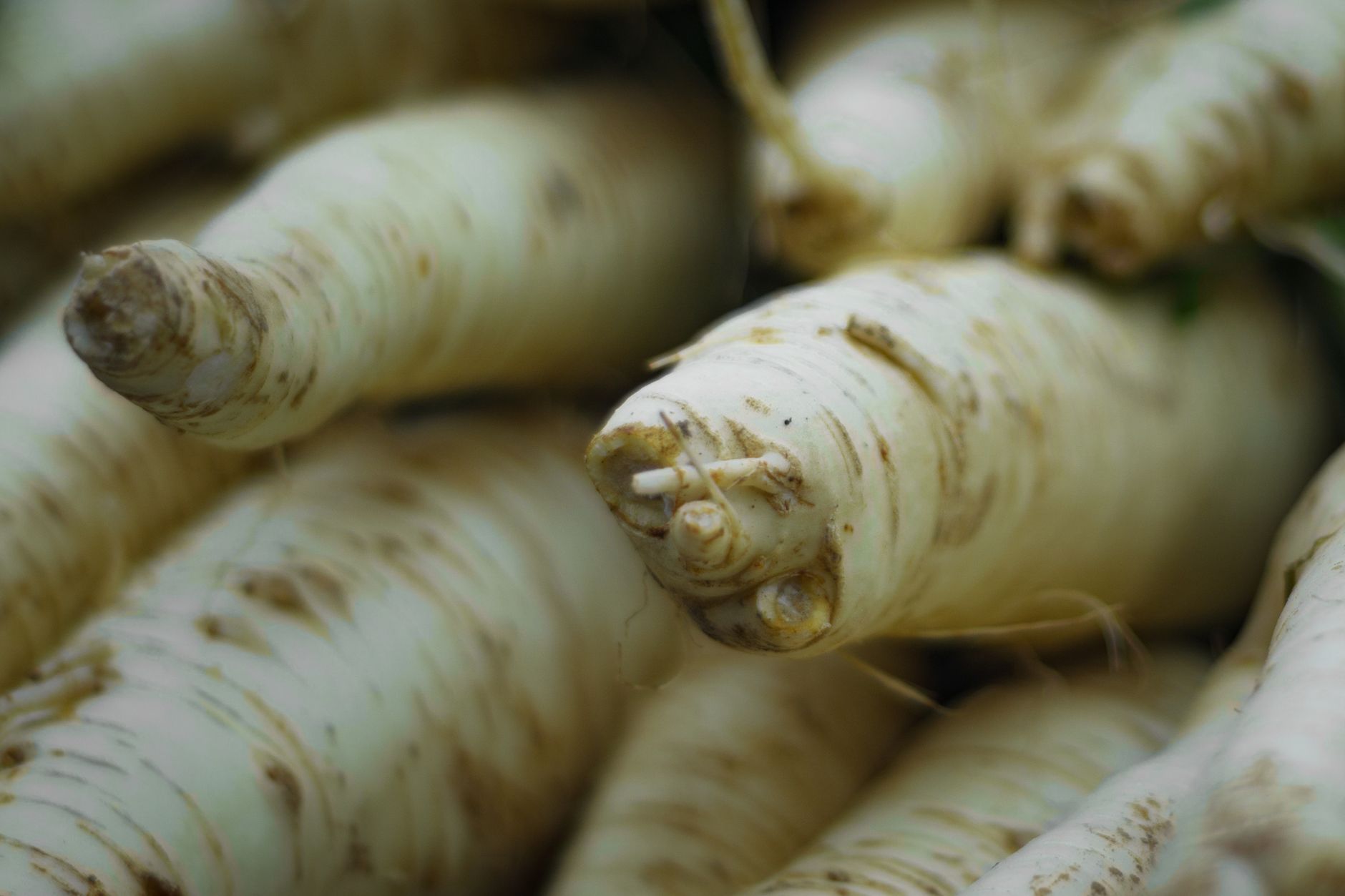
Horseradish is a zesty root vegetable known for its pungent flavor and unique ability to enhance a variety of dishes. However, if you follow a Low FODMAP diet, you may wonder whether or not horseradish fits into your meal plans. This article will provide an in-depth look at horseradish, its FODMAP levels, nutritional information, and how to use it while adhering to a Low FODMAP diet.
Understanding whether horseradish is Low FODMAP requires delving into its composition, serving sizes, and nutritional benefits. This guide will equip you with all the necessary information to make informed dietary choices while still enjoying the bold flavors horseradish has to offer.
Is Horseradish Low FODMAP?
Yes, horseradish is considered Low FODMAP when consumed in moderate portions. According to Monash University, a 1 tablespoon (15 grams) serving of horseradish is low in FODMAPs and should be well-tolerated by most individuals who are sensitive to fermentable carbohydrates.
Understanding FODMAPs
FODMAP stands for Fermentable Oligosaccharides, Disaccharides, Monosaccharides, and Polyols. These are short-chain carbohydrates that some people struggle to digest. Foods high in FODMAPs can lead to symptoms such as bloating, gas, and abdominal pain in sensitive individuals. The Low FODMAP diet is often recommended to help alleviate Irritable Bowel Syndrome (IBS) symptoms and improve gut health.
Nutrition Facts of Horseradish
Horseradish is not only low in FODMAPs, but it also offers a number of nutritional benefits. Here’s a breakdown of the nutritional content in 1 tablespoon (15 grams) of raw horseradish:
| Nutrient | Amount |
|---|---|
| Calories | 6 |
| Carbohydrates | 1.5 grams |
| Fiber | 0.5 grams |
| Sugars | 0.5 grams |
| Protein | 0.2 grams |
| Fat | 0.1 grams |
| Vitamin C | 3.5% of the Daily Value (DV) |
| Calcium | 0.1% of DV |
This low-calorie condiment provides essential nutrients such as vitamin C, which plays a vital role in supporting the immune system and maintaining healthy skin. With its minimal caloric content, horseradish can be an excellent addition to flavorful dishes without significantly affecting your overall calorie intake.
How to Prepare Horseradish
Preparing horseradish is straightforward. You can buy horseradish roots or pre-prepared horseradish in jars. Here’s how to use each:
Fresh Horseradish Root
- Peel the outer skin off the horseradish root with a vegetable peeler.
- Using a grater or food processor, finely grate the horseradish to your desired consistency.
- To enhance the flavor, mix the freshly grated horseradish with a bit of vinegar or lemon juice, which also helps preserve it.
- Store in an airtight container in the refrigerator for up to a month.
Prepared Horseradish
Prepared horseradish typically comes in a jar, mixed with vinegar and salt. It is ready to use, making it a convenient option for those with limited time or culinary experience. Always check the ingredient label to ensure it aligns with your dietary needs.
How to Use Horseradish
Incorporating horseradish into your meals can add a delightful kick. Here are some ways you can enjoy horseradish while keeping it Low FODMAP:
- Condiment: Use horseradish as a condiment for meats, such as roast beef or salmon.
- Dressings: Add to salad dressings for an extra zing. Combine with olive oil, vinegar, and mustard for a tasty dressing.
- Dips: Mix with lactose-free cream cheese and herbs to create a simple dip.
- Soups: Add a spoonful into a bowl of Low FODMAP soup for flavor enhancement.
Practical Portion Guidance
While horseradish is low in FODMAPs in moderate quantities, it is essential to be mindful of portion sizes. Monash University recommends sticking to a serving of 1 tablespoon (15 grams) of fresh horseradish or 1 tablespoon of prepared horseradish to avoid any adverse reactions. Larger portions may contain higher FODMAP levels and could potentially spark digestive discomfort.
Common Mistakes with Horseradish
Using horseradish incorrectly can diminish its vibrant flavor or spoil its usefulness in your dishes. Here are some common pitfalls to avoid:
- Overusing: Adding too much horseradish can overpower your dish. Start small and gradually add more to achieve the desired heat.
- Neglecting Freshness: Horseradish loses its potency over time. Always store it properly in the refrigerator and use it within its recommended timeframe.
- Ignoring Quality: When buying prepared horseradish, look for products without added high-FODMAP ingredients such as sweeteners or preservatives.
Substitutions for Horseradish
If you find yourself without horseradish, there are several substitutes you can consider. Keep in mind that these alternatives may alter the taste and intensity of your dish:
- Wasabi: Similar in flavor, wasabi can be a good substitute, especially in Japanese dishes, though it may be spicier.
- Mustard: Mustard can provide a tangy kick, but it lacks the unique heat of horseradish.
- Hot Sauce: A dash of hot sauce can replicate the heat, but use it sparingly, as the flavor profile may change.
Storage Tips for Horseradish
Proper storage of horseradish is essential to maintain its flavor and freshness. Here are some tips:
- Store fresh horseradish root in a cool dry place or wrap it in a damp cloth and place it in a plastic bag in the refrigerator for up to three weeks.
- Prepared horseradish should be kept in the refrigerator and consumed by the expiration date indicated on the label.
- For longer storage of homemade horseradish, consider freezing it in small portions. Use an ice cube tray and transfer the cubes to a plastic bag for future use.
Health Benefits of Horseradish
In addition to being low in FODMAPs, horseradish has some interesting health benefits worth noting:
- Rich in Antioxidants: Horseradish contains compounds that may help to fight oxidative stress in your body.
- May Support Digestion: Traditionally, horseradish has been used to stimulate digestion by increasing saliva and bile production.
- Rich in Vitamin C: This vitamin plays a role in immune health, skin health, and collagen production.
Conclusion
In summary, horseradish is a Low FODMAP-friendly ingredient that can enhance the flavor of various dishes without causing digestive discomfort for most individuals. With its low calorie count and nutritional benefits, horseradish is a versatile addition to your pantry. Remember to stick to moderate serving sizes and enjoy the bright, pungent flavor it brings to your meals.
To continue your journey with Low FODMAP cooking, explore additional recipes and tips that fit your dietary needs while still satisfying your taste buds.