
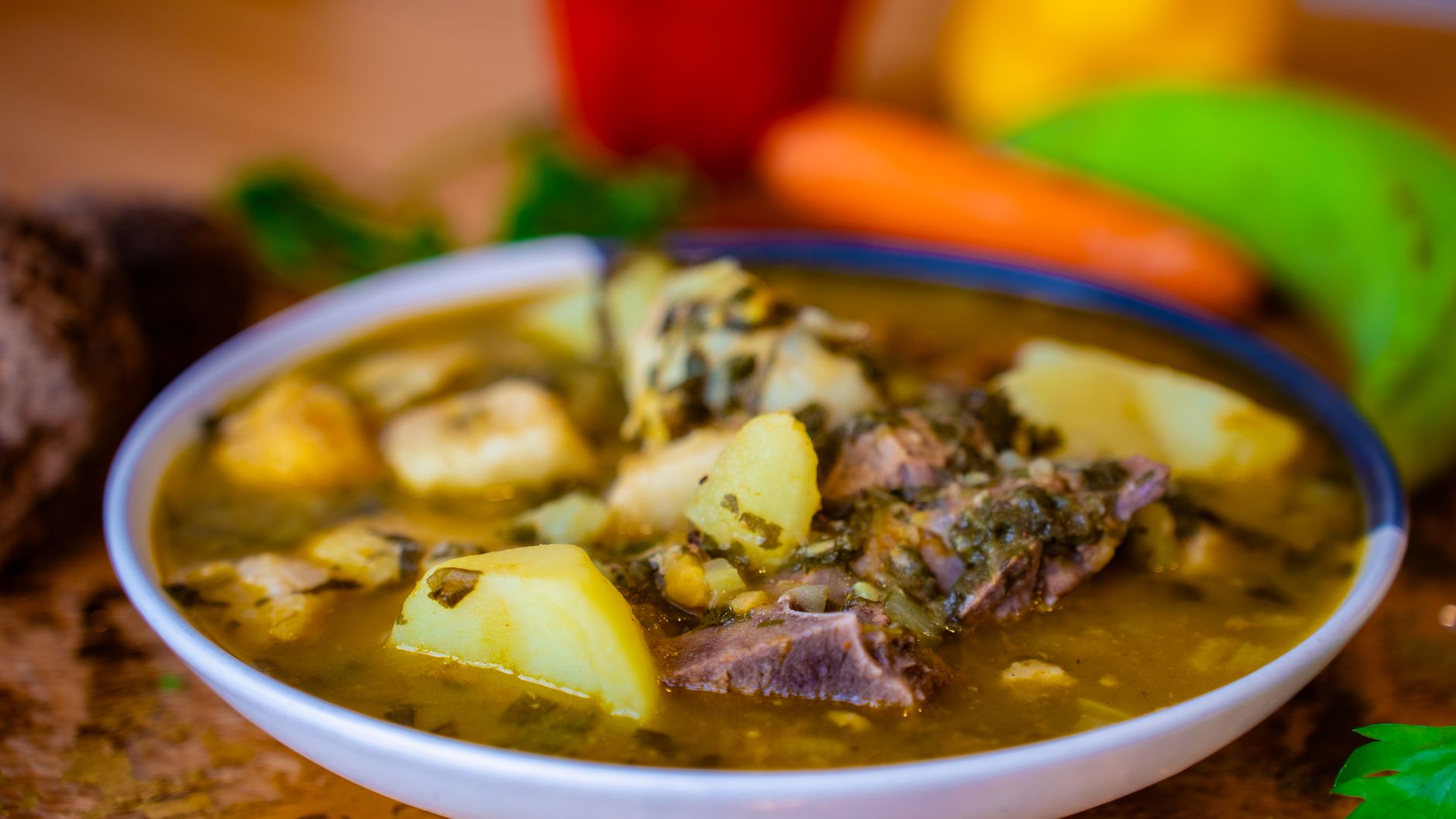
Mondongo is a dish that primarily features tripe, typically derived from the stomachs of cows or pigs. It is popular in various Latin American and Caribbean cuisines and is known for its hearty, rich flavors and unique textures. In exploring the term “mondongo” in English, it’s essential to not only translate it but also to delve into its historical roots and culinary significance.
This article aims to provide an in-depth understanding of mondongo, including its origins, variations, and preparation methods. Whether you are curious about trying this dish or looking to create a delicious version at home, this guide covers everything you need to know.
What Is Mondongo in English?
The direct translation of “mondongo” in English is “tripe stew.” However, that does not fully capture the culinary tradition and variety associated with this dish across Latin America and the Caribbean. Mondongo refers to the preparation of tripe, typically cooked with vegetables and spices, and often served as a comforting, filling meal.
Historical Background of Mondongo
The origins of mondongo can be traced back to the Spanish colonization of Latin America. The dish was likely inspired by traditional Spanish recipes that utilized all parts of the animal to avoid waste. As it made its way through various regions, local ingredients and cooking techniques adapted the dish, resulting in numerous interpretations.
In the Caribbean, for instance, mondongo was embraced in different forms. It gained popularity for its rich flavors, high nutritional value, and the idea of communal meals. It became a staple dish in many households during significant celebrations, showcasing the cultural significance of communal dining patterns across these regions.
Culinary Variations of Mondongo
While the base ingredient remains tripe, mondongo recipes vary widely depending on the region, with distinctive flavors and ingredients used in each. Here’s an overview of some popular variations:
- Mondongo Colombiano: Popular in Colombia, this version often includes yuca, potatoes, and a variety of spices such as cumin and coriander, resulting in a hearty stew that reflects Colombian flavor profiles.
- Mondongo Dominicano: The Dominican version is famous for its kick of spice, prepared with a rich broth, and enhanced with vegetables like bell peppers and carrots, along with seasonings like oregano and bay leaves.
- Mondongo Puerto Riqueño: In Puerto Rico, mondongo is sometimes prepared with pigeon peas and has a slightly sweeter profile due to the inclusion of local seasonings. It often features a sofrito base for enhanced depth of flavor.
- Mondongo de Cantón: This variant from the Philippines showcases the influence of Spanish colonization and is made with tri-tip, noodles, and sometimes coconut milk, reflecting the island country’s unique culinary identity.
Understanding the Ingredients in Mondongo
A typical mondongo dish consists of a few key ingredients, each contributing to the final flavor and texture profile. Here’s a breakdown:
- Tripe: This is the star ingredient. Tripe is the lining of the stomach from cows (beef tripe) or pigs (pork tripe). It has a chewy texture and absorbs flavors well.
- Broth: Often made with beef or chicken stock, enhanced with herbs and spices for depth. The broth brings richness to the dish.
- Vegetables: Common vegetables used include potatoes, carrots, bell peppers, and greens like cilantro. These add flavors, colors, and nutritional value.
- Seasonings: Essential seasonings may include garlic, onions, cumin, bay leaves, and sometimes chili peppers for heat.
Cooking Techniques for Mondongo
Great mondongo begins with proper preparation of the tripe. Here’s a step-by-step guide to cooking mondongo:
- Cleaning the Tripe: Rinse the tripe thoroughly under cold water. Some cooks prefer to soak it in a mix of vinegar and water for extra cleanliness. Scrub it to eliminate any residue.
- Boiling: Place the cleaned tripe in a large pot, cover it with water, and bring it to a boil. Simmer it for about one to two hours until tender. This helps tenderize the tripe and remove any strong odors.
- Preparing the Broth: In another pot, sauté onions, garlic, and other chosen vegetables in oil until fragrant. Add the prepared broth and seasonings, allowing the mixture to simmer.
- Adding Tripe: Once the tripe is tender, chop it into bite-sized pieces and add it to the broth. Let it simmer together, allowing the flavors to meld.
- Finishing Touches: Before serving, taste and adjust seasonings as necessary. Consider garnishing with fresh cilantro or a squeeze of lime juice for an added flavor boost.
Practical Tips for Cooking Mondongo
While cooking mondongo can be straightforward, here are some practical tips to enhance your dish:
- Patience is Key: Cooking time is crucial; ensure the tripe is cooked thoroughly until tender. The chewy texture should be pleasant, not rubbery.
- Flavor Enhancers: Utilize spices such as paprika, oregano, and even a splash of vinegar to brighten the flavors in your broth.
- Storage: Mondongo tends to taste even better the next day as the flavors continue to develop. Store leftovers in an airtight container in the refrigerator for up to three days.
- Serving Suggestions: Consider serving mondongo with avocado slices, lime wedges, or crusty bread for a complete meal experience.
Common Mistakes When Making Mondongo
Making mondongo can be a delicious venture, but there are some pitfalls to watch out for:
- Under- or Over-Cooking the Tripe: Make sure to follow cooking times closely. Undercooked tripe will be tough, while overcooked may fall apart.
- Skimping on Broth: A soup that is too thick can be unappetizing. Use enough broth to ensure the dish retains its intended texture.
- Neglecting Seasonings: Don’t forget to adjust and taste the broth. Insufficient seasoning can result in a bland dish.
Recipe Variations and Substitutions
For those looking to modify their mondongo recipe, here are some alternative ingredients and substitutions that can provide different flavor profiles:
- Alternate Proteins: If you’re not a fan of tripe, consider using beef shank or pork belly for a variation on the classic recipe.
- Vegetarian Mondongo: For a vegetarian adaptation, use mushrooms or jackfruit to mimic the texture of tripe, and vegetable broth to build flavor.
- Spice Levels: Adjust the heat by varying the amount of chili peppers or by adding hot sauce to individual servings.
Serving Suggestions for Mondongo
When it comes to serving mondongo, there are several creative ideas to elevate the dining experience:
- Accompaniments: Serve with rice or corn tortillas to soak up the flavorful broth, enhancing your meal.
- Garnishes: Fresh toppings like cilantro, diced avocado, or a dollop of sour cream can provide a refreshing contrast to the richness of the stew.
- Pairing Suggestions: Consider pairing mondongo with a light beer or a citrusy beverage, balancing the dish’s heaviness.
Final Thoughts on Mondongo
Mondongo holds a rich cultural and culinary heritage, offering warm comfort and hearty nutrition. Understanding its origins and variations can enhance the appreciation of this remarkable dish. Whether you choose to stick to tradition or experiment with your own twist, mondongo stands as a celebration of flavors and textures, perfect for family gatherings or a hearty weeknight meal.
Now that you know what mondongo is and how to prepare it, consider exploring related recipes or techniques to expand your culinary repertoire. This may include options like homemade beef broth, various meat preparations, or even side dishes that complement your mondongo perfectly.