
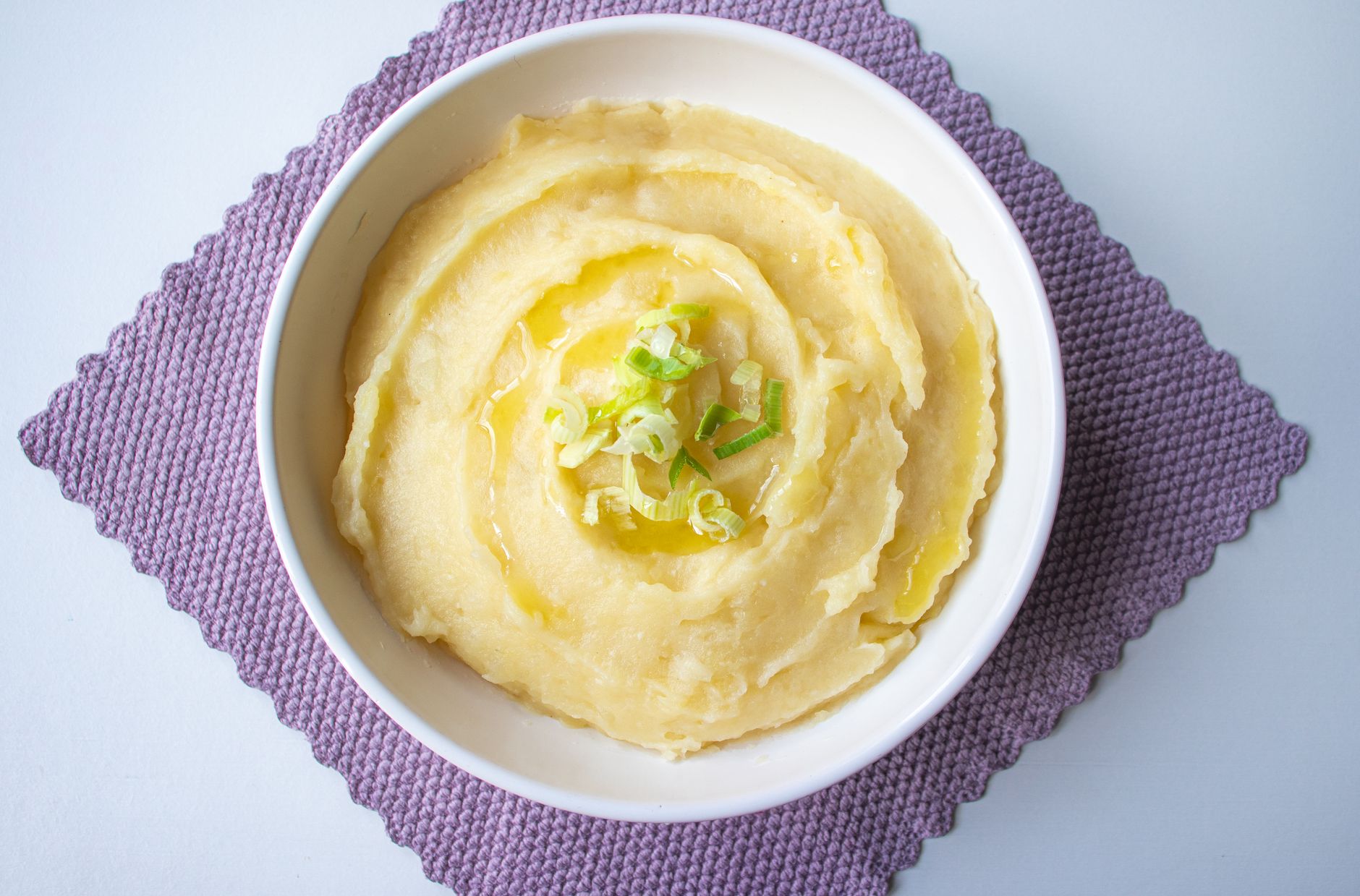
Mashed potatoes are a classic comfort food, beloved for their creamy texture and rich flavor. They are versatile and can be served with various dishes, making them a staple at many dinner tables. One common question among home cooks is whether mashed potatoes can be frozen for later use.
The good news is that mashed potatoes can be frozen, allowing you to enjoy this delicious side dish without the hassle of preparing it from scratch every time. However, there are essential tips and techniques to ensure they retain their flavor and texture after thawing.
Can Mashed Potatoes Be Frozen?
Yes, mashed potatoes can be frozen successfully. By following the right methods, you can preserve their creamy texture and flavor, making them a convenient option for future meals.
Why Freeze Mashed Potatoes?
Freezing mashed potatoes can save time and reduce food waste, particularly if you make a large batch. This is especially useful for meal prep or holiday cooking. By having mashed potatoes ready in the freezer, you can quickly pair them with any main dish without needing to prepare them fresh.
Preparing Mashed Potatoes for Freezing
Before freezing, it’s essential to prepare your mashed potatoes correctly to ensure they maintain their quality. Here are a few steps to follow:
Choosing Your Potatoes
While most potato varieties can be mashed, starchy potatoes like Russets or Yukon Golds yield the best results for freezing. They have higher starch content, which contributes to a fluffy texture.
Basic Mashed Potato Recipe
Ingredients for Classic Mashed Potatoes:
- 3 pounds of starchy potatoes (Russets or Yukon Gold)
- ½ cup of milk (or sour cream for a tangy flavor)
- ½ cup of butter
- Salt, to taste
- Black pepper, to taste
Preparation Steps:
- Peel and chop the potatoes into uniform pieces to ensure even cooking.
- Place the potato pieces in a large pot and cover with cold water. Add a pinch of salt.
- Bring to a boil over medium-high heat. Cook until the potatoes are fork-tender, about 15-20 minutes.
- Drain the potatoes and return them to the pot.
- Add the butter and milk, then mash until your desired creaminess is achieved. Season with salt and pepper.
Cooling the Mashed Potatoes
Before freezing, it is crucial to allow your mashed potatoes to cool completely. Spread them out in a shallow dish to expedite the cooling process.
Freezing Mashed Potatoes: Step-by-Step Guide
Once your mashed potatoes are cooled, follow these steps to freeze them successfully:
- Portion the Mashed Potatoes: Decide how much you want to freeze at once. It’s often best to portion them into servings for easy reheating.
- Choose the Right Container: Use airtight freezer bags, freezer-safe containers, or even aluminum foil pans for freezing. Ensure your containers are labeled with the date.
- Pack the Mashed Potatoes: If using freezer bags, lay them flat for easier storage. Remove as much air as possible to prevent freezer burn.
- Seal and Freeze: Seal your containers or bags tightly, ensuring there is minimal air inside. Place them flat in your freezer.
Mashed Potatoes Freezing Duration
For the best quality, it is advisable to consume frozen mashed potatoes within 2-3 months. While they can stay safe beyond this time, the quality and flavor may begin to deteriorate.
Thawing and Reheating Frozen Mashed Potatoes
To enjoy your frozen mashed potatoes, proper thawing and reheating methods are essential. Here are some tips:
Thawing Methods
- Refrigerator Thawing: For best results, transfer the desired portion of mashed potatoes from the freezer to the refrigerator 24 hours before you plan to use them. This slow thawing method helps maintain texture.
- Microwave Thawing: If you need to thaw them quickly, you can microwave the frozen mashed potatoes on low power, stirring occasionally, until softened enough to reheat.
- Direct Cooking: Alternatively, you can reheat them from frozen, using low heat on the stovetop or in the oven. Add a splash of milk or broth to facilitate the heating process.
Reheating Tips
- If reheating on the stovetop, use a saucepan over low heat to avoid scorching. Stir frequently.
- In the microwave, heat in short bursts, stirring between intervals to ensure even heating.
- For oven reheating, place the mashed potatoes in a baking dish, cover with foil, and heat at 350°F (175°C) until warmed through, about 20-30 minutes.
Common Mistakes and Troubleshooting
Even seasoned cooks can run into issues when freezing and reheating mashed potatoes. Here are some common mistakes to avoid:
Too Much Liquid
When reheating, adding too much liquid can lead to watery mashed potatoes. To fix this, heat on low and allow excess moisture to evaporate, stirring continuously.
Freezer Burn
If the potatoes develop a dry, icy layer, they’ve been affected by freezer burn. While still safe to eat, you can cut off any discolored pieces before reheating.
Texture Changes
Mashed potatoes may become grainy after freezing due to the separation of components. To remedy this, blend in a little more butter or cream while reheating.
Make-Ahead and Meal-Planning Tips
If you’re planning meals for busy weeks ahead, freezing mashed potatoes can be a game-changer. Here are some ideas for incorporating them into your meal plan:
- Pair frozen mashed potatoes with pre-cooked meats, such as roasted chicken, meatloaf, or pot pies for a quick meal.
- Add them to casseroles for added creaminess and depth of flavor.
- Use in shepherd’s pie for a hearty comfort dish that can be prepared in advance and frozen.
Variations and Add-Ins for Mashed Potatoes
While traditional mashed potatoes are delicious, experimenting with various flavors can enhance your frozen mashed potato experience:
Cheddar and Chives
Add shredded cheddar cheese and chopped chives before mashing. This adds richness and flavor, making a fantastic side dish.
Garlic Mashed Potatoes
Incorporate roasted garlic for a sweet, nutty flavor. To roast garlic, wrap whole bulbs in foil and bake at 400°F (205°C) for 30-40 minutes.
Herbed Mashed Potatoes
Add fresh herbs like parsley, thyme, or rosemary to brighten the flavor. This is especially delightful when served alongside roasted meats.
Sour Cream Mashed Potatoes
Replace some or all of the milk with sour cream for a tangy twist and creamy texture.
Storage Alternatives
Aside from freezing, consider these storage methods for maintaining the integrity of your mashed potatoes:
- Refrigerate: If you plan to consume the leftovers within 3-5 days, mashed potatoes can be stored in an airtight container in the refrigerator.
- Using Vacuum Sealers: For longer storage, using a vacuum sealer to remove air and seal the mashed potatoes can help preserve freshness and prevent freezer burn.
Final Thoughts on Freezing Mashed Potatoes
Freezing mashed potatoes is a convenient way to add a comforting side dish to your meals without the fuss. By following the proper methods for preparation, freezing, thawing, and reheating, you can keep their delicious flavor and creamy texture intact. Whether you’re meal prepping, hosting holidays, or simply looking to have a quick side on hand, frozen mashed potatoes can ease your kitchen workload.
Now that you know how to successfully freeze and enjoy mashed potatoes, don’t hesitate to explore related recipes or cooking tips to further enhance your culinary adventures. Consider checking out can you freeze chili or can you make mashed potatoes ahead of time for more meal-prepping ideas.