
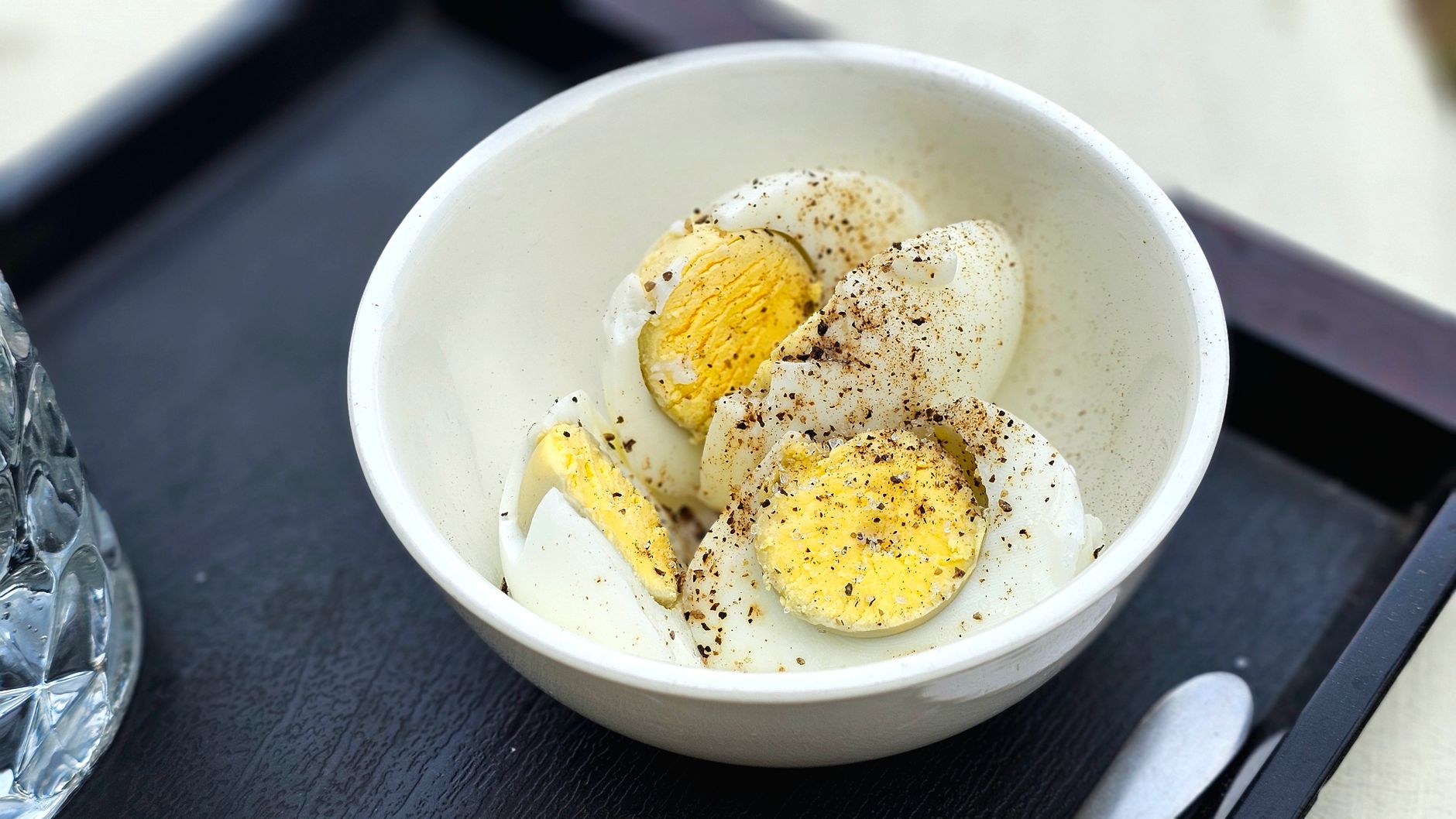
Eggs are a staple in many diets around the world, known for their versatility and nutritional value. One of the key components of eggs is protein, which is essential for numerous bodily functions including muscle repair and immune health. However, not all parts of an egg are created equal in terms of protein content.
This article explores which part of an egg contains the highest amount of protein, providing insights into the nutritional value of eggs, their culinary uses, and tips for incorporating them into your diet.
What Part of an Egg Has the Most Protein?
The egg white, also known as the albumen, contains the most protein in an egg. On average, a large egg white has approximately 3.6 grams of protein, while the yolk contains about 2.7 grams. This means that the egg white is not only lower in calories but also higher in protein compared to the yolk.
In total, a large egg contains roughly 6.5 grams of protein, with the breakdown showing a clear distinction between the two parts. Let’s delve deeper into this protein-rich food and understand its benefits and uses.
Nutritional Value of Egg Whites and Yolks
Understanding the nutritional value of both egg whites and yolks can help you make informed choices about incorporating eggs into your meals.
Egg Whites
- Protein: Approximately 3.6 grams per large egg white
- Calories: About 17 calories
- Fat: 0 grams
- Carbohydrates: 0.3 grams
- Vitamins: Contains B vitamins such as riboflavin (B2)
Egg Yolks
- Protein: Approximately 2.7 grams per large egg yolk
- Calories: About 55 calories
- Fat: 4.5 grams (mostly unsaturated fat)
- Cholesterol: Approximately 186 mg (the majority of the cholesterol in eggs)
- Vitamins: Rich in vitamins A, D, E, K, and B vitamins, including B12
While egg whites are higher in protein and lower in calories and fat, egg yolks contain essential fats, vitamins, and minerals. Therefore, both parts of the egg offer unique health benefits that can be valuable depending on your dietary needs.
Health Benefits of Eggs
Eggs are an excellent source of high-quality protein and offer numerous health benefits:
- Muscle Repair and Growth: The high protein content in egg whites supports muscle repair and growth, making them a favorite among athletes and those looking to build muscle.
- Weight Management: Protein-rich foods like eggs can help you feel fuller for longer, aiding with weight management.
- Brain Health: Egg yolks contain choline, a nutrient important for brain health and function.
- Rich in Nutrients: Eggs provide essential vitamins and minerals, which support overall health.
Culinary Uses of Egg Whites
Beyond their nutritional value, egg whites are incredibly versatile in cooking and baking. Here are some popular culinary uses for egg whites:
- Soufflés: These light, airy dishes rely on whipped egg whites to create volume and fluffiness.
- Meringues: Egg whites, when beaten to a fluffy consistency and combined with sugar, create meringues used in desserts like pavlova and macaroons.
- Egg White Omelettes: A popular choice for those looking for a low-calorie, high-protein breakfast option.
- Healthy Smoothies: Adding a pasteurized egg white to smoothies boosts protein content without altering the flavor significantly.
Culinary Uses of Egg Yolks
Egg yolks also have a myriad of culinary applications, often adding richness and flavor to dishes:
- Custards and Puddings: Yolks are crucial in velvety custards and creamy sauces like hollandaise.
- Baking: Many baked goods, including cakes and cookies, use yolks to enhance texture and richness.
- Mayonnaise and Aioli: The emulsifying properties of egg yolks allow for creating creamy condiments.
How to Incorporate More Eggs Into Your Diet
Given their high protein content and diverse applications, incorporating eggs into your meals is straightforward:
- Breakfast: Start your day with scrambled eggs, an omelet, or a breakfast burrito. Add vegetables and herbs for extra flavor and nutrition.
- Lunch: Use hard-boiled eggs in salads or sandwiches for added protein.
- Dinner: Consider frittatas or egg-based dishes like shakshuka as a light yet filling dinner option.
- Snacks: Boil eggs and keep them on hand for a protein-rich snack anytime.
Cooking Techniques for Perfect Eggs
Mastering the cooking technique for eggs can make a difference in your culinary experience. Here are some methods to cook eggs effectively:
Hard Boiling
- Gently place eggs in a pot and cover with cold water.
- Bring the water to a boil over medium heat.
- Once boiling, cover the pot and remove it from heat. Let it sit for 9-12 minutes, depending on desired doneness.
- Cool the eggs in cold water before peeling.
Scrambling
- Crack the eggs into a bowl and whisk well until fully combined.
- Add salt and pepper to taste.
- In a non-stick skillet, melt butter or oil over medium heat.
- Add the eggs and stir gently, allowing them to cook evenly. Remove from heat while slightly runny for a creamy texture.
Frying
- Heat a non-stick skillet over medium heat with a little oil or butter.
- Crack the egg directly into the skillet without breaking the yolk.
- Cook for 2-3 minutes until the white is set but the yolk remains runny, or longer if desired.
- Season with salt and pepper before serving.
Common Mistakes to Avoid When Cooking Eggs
Even small mistakes can impact the outcome of egg dishes. Here are some pitfalls and how to avoid them:
- Overcooking: Eggs can become tough and rubbery if overcooked. Monitor cooking times closely to avoid this.
- Not using fresh eggs: Fresher eggs have better flavor and texture. Check the sell-by date and choose eggs that are still viable.
- Using too high of heat: Cooking eggs over high heat can lead to uneven cooking. Stick to medium or low heat for better results.
Storage Tips for Eggs
Proper storage of eggs is essential for food safety and maintaining freshness:
- Store eggs in their original carton in the coldest part of the refrigerator, not the door.
- Avoid washing eggs before storage as this can remove protective coatings.
- Use older eggs for hard-boiling as they are easier to peel.
Egg Protein Substitutions for Various Diets
If you follow a specific dietary regimen, you may need to find alternatives to traditional eggs while still obtaining protein:
- For Vegans: Tofu, chickpea flour, and flaxseed meal can be excellent substitutes to mimic egg texture and protein.
- For Lactose Intolerance: Plant-based egg substitutes, such as aquafaba (the liquid from canned chickpeas), can replace eggs in various recipes.
- For Low-Carb Diets: Protein powders can augment protein content in smoothies, granola, or baked goods in place of eggs.
Conclusion
Eggs are not just versatile and delicious; they are an excellent source of protein, with the egg white leading the pack. Whether you are looking to boost your protein intake, exploring creative culinary techniques, or seeking alternatives, understanding the components of eggs can enhance your meals and overall health. Consider incorporating more eggs into your diet, whether through breakfast omelets or as additions to your favorite dishes.
For more insights on nutrition, check out how many calories in 2 scrambled eggs or learn about how many cups of water for 1 cup of rice.