
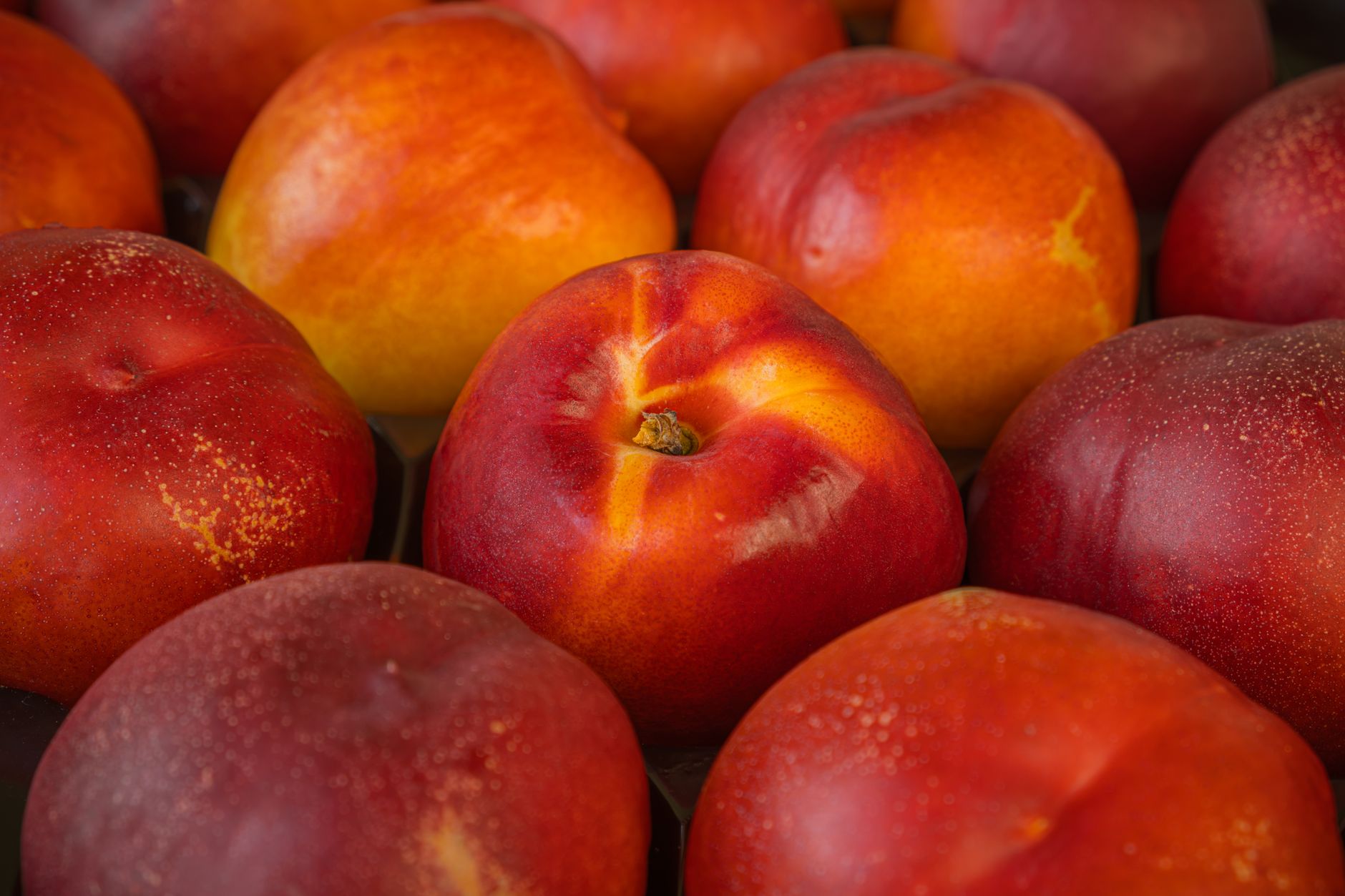
Nectarines are a delightful stone fruit, celebrated for their juicy flesh and sweet-tart flavor. These closely related cousins of peaches are enjoyed fresh, baked, or preserved. If you’ve ever picked nectarines from a tree or bought them at a market, you may find yourself wondering: do nectarines ripen after picking? Understanding this will help you maximize their flavor and ensure you enjoy them at their best.
The short answer is yes, nectarines do ripen after picking, though not to the same degree as some other fruits like bananas or avocados. This article will explore how nectarines ripen, how to choose the best ones while shopping, and various tips for storing and enjoying this delicious fruit.
Do Nectarines Ripen After Picking?
Yes, nectarines continue to ripen after being picked from the tree. This ripening process is influenced by factors like the fruit’s maturity at harvest, temperature, and humidity. However, nectarines will not develop their full sweetness or change in texture as dramatically as some other fruits, making it important to choose them wisely at the time of purchase.
The Ripening Process: Understanding Nectarines
Nectarines are a non-climacteric fruit, meaning they don’t rely heavily on the production of ethylene gas to trigger ripening. Once harvested, their ripening is limited but continues due to the slight enzymatic changes that occur. The conditions surrounding the fruit post-harvest have a significant impact on how they will change.
Factors Influencing Ripening
- Temperature: Higher temperatures can accelerate the ripening process, while cooler temperatures may slow it down.
- Humidity: A humid environment can help retain moisture in nectarines, assisting their ripening.
- Fruit Maturity: The initial ripeness of the nectarines at harvest will impact how much they will ripen after picking. Ripe nectarines will soften and develop sweetness more than under-ripe ones.
Choosing Nectarines at the Market
When shopping for nectarines, focus on finding the best possible fruit that will ripen to perfection. Here are key tips on what to look for:
Visual Inspection
- Color: Look for nectarines that have a vibrant, deep coloration. The skin should show a rich hue, whether yellow or red, depending on the variety.
- Skin Texture: The skin should be smooth with slight fuzz; any signs of wrinkles may indicate overripeness.
- Spots and Bruises: Avoid nectarines with dark spots or bruises, which may signal spoilage.
Feel and Firmness
Gently squeeze the nectarines; they should yield slightly to pressure but not feel overly soft. A firm feel generally indicates under-ripeness, while too much softness suggests overripeness.
Aroma
Ripe nectarines often give off a sweet, fragrant aroma, indicating their sugar content and ripeness level. If you can smell their sweetness before tasting, you’re likely in for a treat.
Storing Nectarines to Maximize Ripening
Once you’ve chosen your nectarines, proper storage is essential to maximize their flavor and prolong their freshness.
Room Temperature Ripening
To encourage ripening, store your nectarines at room temperature in a single layer, avoiding stacking them on top of each other to prevent bruising.
Refrigeration
Once your nectarines reach the desired ripeness, you can store them in the refrigerator to slow further ripening. They are best enjoyed within a few days to a week of ripening to prevent spoilage.
Using a Paper Bag for Ethylene
If you have nectarines that are not quite ripe, placing them in a paper bag can help expedite the process. This method traps ethylene gas, which they naturally emit, helping them ripen faster. You can add an apple or banana to further boost the ethylene concentration.
General Tips for Enjoying Nectarines
Nectarines can be enjoyed in many ways, whether you eat them fresh or incorporate them into various recipes. Here’s how to enjoy them best:
Fresh Consumption
Eat nectarines as a healthy snack or chop them into salads for a sweet contrast. Pair thin slices of nectarines with cheese platters for an elegant touch.
Baking with Nectarines
Nectarines can be used in crumbles, tarts, or pies, often combined with complementary flavors like cinnamon and vanilla. They add moisture and sweetness to baked goods.
Grilling Nectarines
Grilling nectarines enhances their natural sweetness and injects a smoky flavor, making them fantastic for adding to savory dishes. Simply slice them in half, pit them, brush with oil, and grill until lightly charred.
Nutritional Benefits of Nectarines
Nectarines are not only delicious but also packed with benefits. They are low in calories and high in vitamins A and C, both of which support immune function and promote skin health.
With around 60 calories per medium-sized fruit, nectarines offer a nutritious option for healthy snacking. Additionally, they’re a good source of dietary fiber, aiding digestion and providing a feeling of fullness.
Potential Challenges with Ripening Nectarines
Sometimes, even with the right techniques, nectarines may not ripen as expected. Here are common challenges and troubleshooting tips:
Overripe Nectarines
If your nectarines become overly soft or develop brown spots, they may be beyond their peak. Overripe nectarines can still be used in smoothies, jams, or baking—but be sure to check for spoilage.
Underripe Nectarines
If they remain too firm despite your best efforts, you might simply have picked them too early. They may still ripen slowly but might not yield the high sugar content you would want.
Preventing Rapid Spoilage
Store ripe nectarines in the refrigerator to slow the spoiling process. Also, keep them away from other fruits that emit high levels of ethylene gas, such as bananas and apples, to prevent premature overripeness.
Incorporating Nectarines into Meal Planning
Nectarines can play a versatile role in your meal planning. Here are ideas to help you integrate them into your daily menu effectively:
Breakfast Ideas
- Add diced nectarines to your morning oatmeal alongside some nuts for added crunch.
- Top Greek yogurt with sliced nectarines, honey, and granola for a balanced breakfast.
Lunch Additions
- Include slices of nectarines in salads with greens, goat cheese, and nuts for a sweet-meets-salty combination.
- Wrap them in a turkey or chicken sandwich for a burst of flavor and natural sweetness.
Dinner and Sides
- Grill nectarines and serve them alongside grilled pork or chicken for a stunning dinner.
- Incorporate nectarines into vegetable stir-fries for a sweet twist.
Storing Nectarines for Long-Term Use
If you have purchased nectarines in bulk or want to save them for later, freezing is an excellent option. Here’s how to do it properly:
Freezing Nectarines
- Wash the nectarines thoroughly and dry them.
- Slice them in half and remove the pit.
- Optionally, you can peel the skin, but it is not necessary.
- Arrange the slices on a baking sheet, ensuring they are not touching, and freeze until solid.
- Transfer the frozen slices to a freezer bag or container, and label with the date.
Frozen nectarines can last in the freezer for about 8 to 12 months, perfect for smoothies and baking later on.
Conclusion
Nectarines are a wonderful fruit that continues to ripen after picking, allowing for a fresh and flavorful experience as long as you choose and store them properly. With the right handling, you can enjoy their sweet, juicy goodness both immediately and well into the future. Explore the various ways to incorporate these delightful fruits into your meals and savor their rich flavor and nutritional benefits.
If you’re interested in related cooking tips, be sure to examine our guides on meal planning and other seasonal fruits as you build delicious meals throughout the year.