
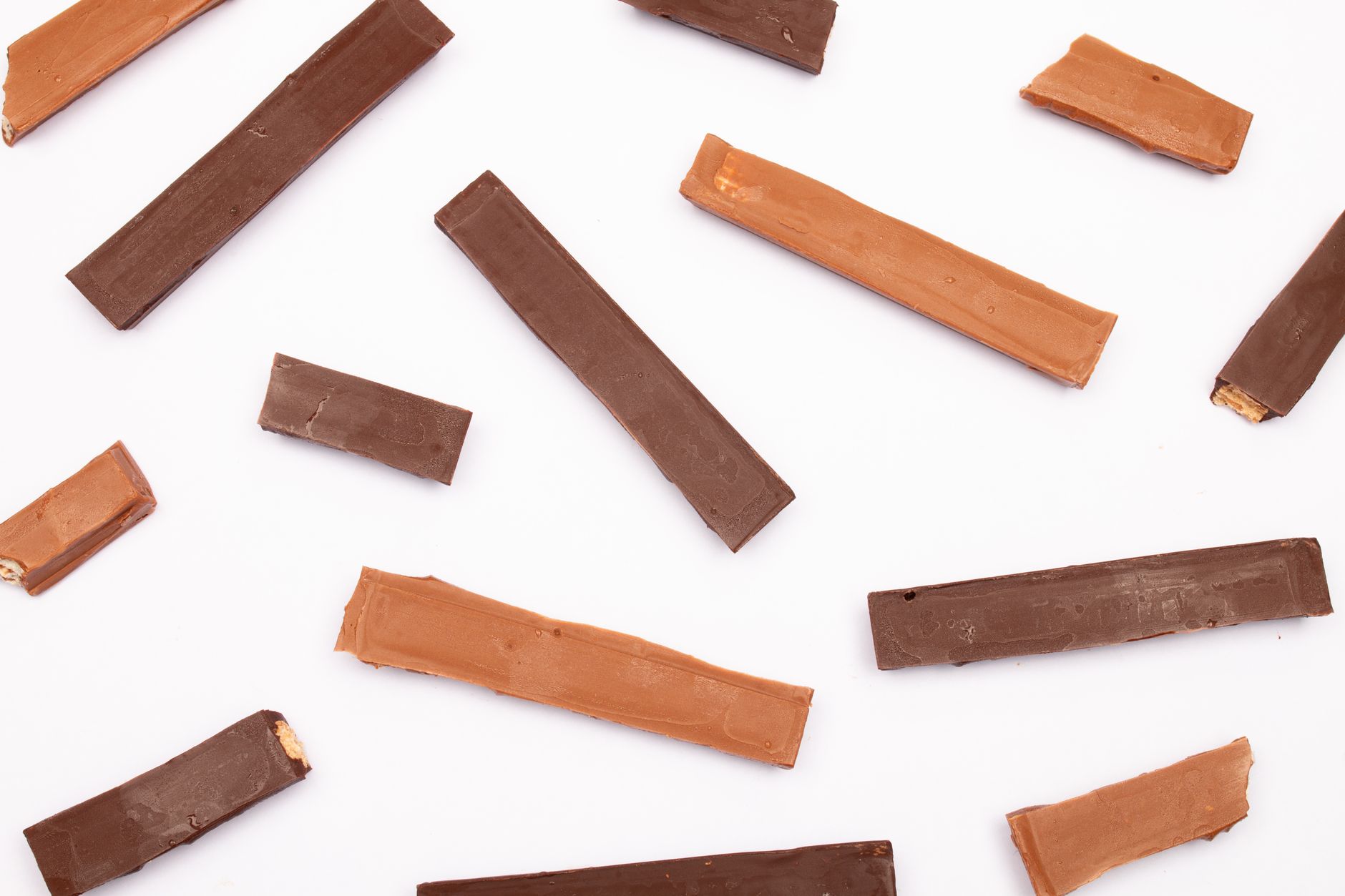
Chocolate is one of the most beloved ingredients worldwide, known for its rich flavor and versatility. However, many people often wonder whether chocolate contains milk, especially those following vegan or lactose-free diets. Understanding the different types of chocolate and their ingredients is essential for making informed choices in cooking and consumption.
This article delves into the question of whether chocolate has milk, what types of chocolate exist, and how these variations can influence recipes, flavor profiles, and dietary considerations.
Does Chocolate Have Milk?
In short, not all chocolate contains milk. Chocolate can be made with or without milk, depending on the type. Commonly, milk chocolate is made with milk solids, while dark chocolate often does not contain any milk. However, it’s essential to read labels carefully, as cross-contamination can occur in processing.
Types of Chocolate: Understanding the Varieties
To comprehend whether chocolate has milk, it’s crucial to look at the different types of chocolate available. Each type has distinct characteristics and ingredients.
1. Dark Chocolate
Dark chocolate is primarily made from cocoa solids, cocoa butter, and sugar. It usually contains little to no milk, making it suitable for those avoiding dairy. Dark chocolate has a rich, intense flavor and is often seen as healthier due to its higher cocoa content and lower sugar levels.
2. Milk Chocolate
Milk chocolate is made by adding milk solids to dark chocolate. This gives it a creamier texture and a sweeter taste. Milk chocolate generally contains anywhere from 10% to 50% cocoa solids, with a significant presence of sugar and milk. This variety is more commonly enjoyed in candies, desserts, and various confections.
3. White Chocolate
While it contains cocoa butter, sugar, and milk solids, white chocolate does not contain cocoa solids, which are responsible for the characteristic chocolate flavor. As a result, white chocolate is technically not classified as chocolate and is often regarded as a sweeter, creamier alternative.
4. Ruby Chocolate
Ruby chocolate, a recent addition to the chocolate family, features a pinkish-red color and a fruity flavor profile. It is made from specially processed cocoa beans and generally includes milk solids similar to milk chocolate. As such, it is not suitable for vegans unless specified otherwise.
Identifying Milk in Chocolate
When choosing chocolate, understanding labels is essential. Many chocolate products may include terms such as “may contain milk” or “cross-contamination” that indicate the potential presence of milk due to production processes.
Reading Ingredient Labels
To identify whether a chocolate product contains milk, always check the ingredients list. If it lists “milk,” “milk solids,” or “condensed milk,” then it contains dairy. For dairy-free options, look for certifications such as ‘vegan’ or dairy-free labels.
Common Allergen Statements
Chocolate products, especially those mass-produced, often include allergen statements such as “may contain traces of milk” or “produced in a facility that processes milk.” It’s vital to take these warnings into account to avoid allergic reactions if you have lactose intolerance or a milk allergy.
Alternative Chocolate Varieties
For those avoiding milk for dietary or lifestyle reasons, there are alternative options available. Here are a few popular choices:
- Dairy-Free Chocolate: Brands focusing on dairy-free chocolate use alternative milks, such as almond or coconut milk, to achieve creaminess without dairy.
- Vegan Chocolate: Many chocolates are specifically labeled as vegan, ensuring they do not contain any animal products, including milk.
- Raw Chocolate: Made from minimally processed cacao beans, raw chocolate often does not contain milk and is rich in antioxidants.
- Cacao Nibs: These are crushed cacao beans and contain no milk. They offer a crunchy texture and intense chocolate flavor and can be added to various recipes.
Cooking and Baking with Chocolate
Chocolate can elevate a variety of dishes, from desserts to savory entrees. Understanding the types of chocolate available will enhance your cooking, but it’s also important to consider the presence of milk based on dietary needs.
Substituting Chocolate in Recipes
If you wish to replace a specific type of chocolate in your recipes, here are some common substitutions:
- Milk Chocolate: Substitute with dark chocolate and add a small amount of cream or a dairy-free alternative to achieve a similar texture.
- Dark Chocolate: Replace dark chocolate with bittersweet chocolate in a 1:1 ratio for a similar flavor profile.
- White Chocolate: If white chocolate isn’t available, a mix of cocoa butter and sugar can serve as a substitute, though the flavor will differ.
- Vegan Options: Look for specialty vegan chocolates when a recipe calls for milk chocolate, ensuring you adjust any dairy components accordingly.
Melting Chocolate Tips
When melting chocolate, whether for dipping, baking, or cooking, keep the following tips in mind:
- Use a double boiler to gently melt chocolate. This prevents overheating, which can cause chocolate to seize.
- Chop chocolate into uniform pieces for even melting.
- Stir constantly over low heat to achieve a smooth consistency.
- For microwave melting, heat in short intervals (15-30 seconds), stirring in between to avoid burning.
Creating Dairy-Free Chocolate Desserts
If you’re looking to make delicious desserts without using milk chocolate, try incorporating dark or dairy-free chocolate into your baking. Here are some recipes and ideas to consider:
1. Dairy-Free Chocolate Cake
Using alternative chocolate can yield a rich and moist cake that everyone will love.
Ingredients:
- 1¾ cups all-purpose flour
- 2 cups coconut sugar
- ¾ cup cocoa powder (unsweetened)
- 1 teaspoon baking soda
- ½ teaspoon salt
- 1 cup unsweetened applesauce
- ½ cup dairy-free milk (e.g., almond, oat, coconut)
- ¾ cup vegetable oil
- 1 teaspoon vanilla extract
Method:
- Preheat your oven to 350°F (175°C) and grease two 9-inch round cake pans.
- In a large bowl, whisk together the flour, coconut sugar, cocoa powder, baking soda, and salt until well combined.
- Add the applesauce, dairy-free milk, vegetable oil, and vanilla extract to the dry ingredients. Mix until just incorporated.
- Divide the batter evenly between the prepared cake pans.
- Bake for 25-30 minutes, or until a toothpick comes out clean from the center.
- Let the cake cool in the pans for 10 minutes before transferring it to a wire rack to cool completely.
2. Vegan Chocolate Mousse
This dessert is rich, creamy, and entirely dairy-free, making it perfect for any occasion.
Ingredients:
- 1 cup dairy-free dark chocolate, chopped
- 1 cup coconut cream (refrigerated overnight)
- ¼ cup maple syrup
- 1 teaspoon vanilla extract
Method:
- In a double boiler, melt the dark chocolate until smooth. Remove from heat and let it cool slightly.
- In a large bowl, scoop the solidified part of the coconut cream, leaving the liquid behind.
- Whisk in the maple syrup and vanilla extract until well combined.
- Gently fold in the melted chocolate until fully incorporated.
- Spoon the mixture into serving cups and refrigerate for about 2 hours or until set.
Storage and Shelf Life of Chocolate
Knowing how to store chocolate properly will ensure that it maintains its quality and flavor for an extended period.
Storing Chocolate
- Store chocolate in a cool, dark place away from direct sunlight. Ideal storage temperatures are between 60°F and 70°F (15°C to 21°C).
- Avoid storing chocolate in the refrigerator to prevent condensation, which can negatively affect texture and flavor.
- If chocolate has been opened, reseal it in an airtight container to preserve its freshness and prevent odors from other foods from affecting its taste.
Shelf Life
The shelf life of chocolate varies based on the type and whether it contains dairy. Generally:
- Dark chocolate can last for 2-5 years if stored correctly.
- Milk chocolate typically lasts 1-2 years.
- White chocolate has a shorter shelf life, generally around 1 year.
Always check for signs of spoilage, such as discoloration or a change in texture. When in doubt, rely on your senses to gauge the chocolate’s quality.
Conclusion
Whether you’re indulging in a piece of dark chocolate or baking a cake using milk chocolate, understanding the role of milk in chocolate is crucial for making informed choices. Always read labels carefully and explore alternative chocolate options to suit your dietary preferences. With various types of chocolate available, you can easily find suitable options for your cooking and baking needs.
For more great recipes and cooking tips, explore our Cinnamon Roll Recipe or learn if Chocolate is Vegan.