
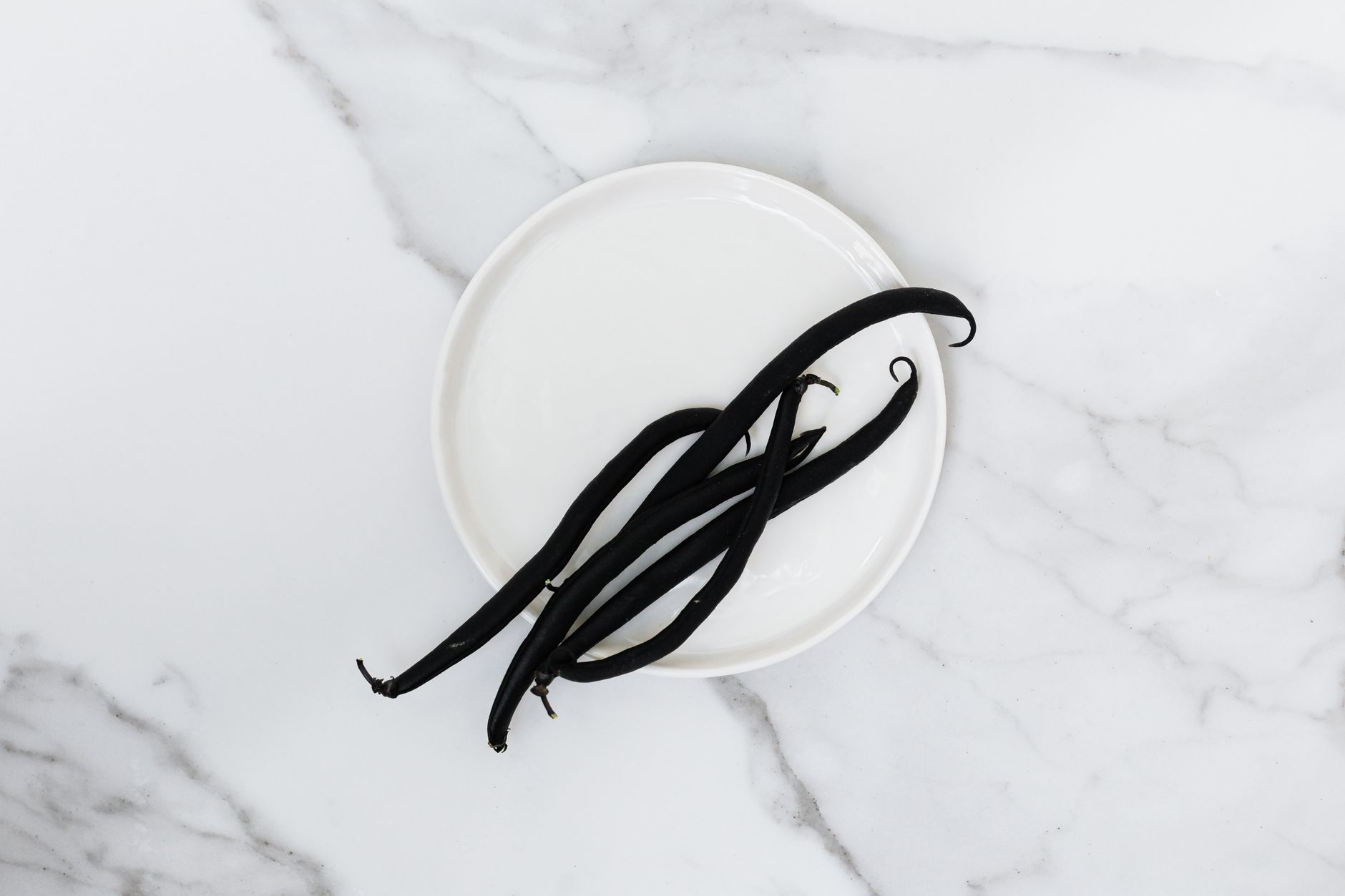
Vanilla beans are prized for their complex flavor and aroma, making them a staple in many kitchens. However, understanding their shelf life and proper storage methods is crucial for maximizing their potential. This guide explores how long vanilla beans last, including tips on storage and signs of deterioration.
Whether you’re a seasoned baker or a novice home cook, knowing how to maintain the freshness of vanilla beans can enhance your dishes, from pastries to savory dishes. Let’s examine the shelf life of vanilla beans and how to store them correctly.
How Long Do Vanilla Beans Last?
Vanilla beans can last quite a while if stored correctly. On average, they maintain optimal flavor for about 6 months to 1 year at room temperature, but they can last up to 2 years or longer if stored in ideal conditions. Factors such as exposure to air, heat, and light can affect their longevity.
Understanding Vanilla Beans
Before diving into storage specifics, it helps to understand what vanilla beans are. These are the dried seed pods of the vanilla orchid, primarily the species Vanilla planifolia. The beans are filled with tiny seeds that contain intense flavor compounds responsible for their aromatic quality and are used in various culinary applications.
Shelf Life of Vanilla Beans
The shelf life of vanilla beans can vary depending on several factors:
- **Type of Vanilla Bean**: Tahitian vanilla beans often have a shorter shelf life than Madagascar vanilla beans due to their higher moisture content.
- **Quality of Beans**: Fresh, high-quality beans will last longer than those that are old or have been improperly stored.
- **Storage Conditions**: Beans stored in a cool, dark, and airtight container will retain their flavor longer.
In general, if you keep your vanilla beans sealed in a cool, dry environment, they should last up to a year without a significant loss of flavor.
Storage Tips for Vanilla Beans
Proper storage is essential to extend the shelf life of vanilla beans. Here are some effective methods:
1. Airtight Container
Store vanilla beans in an airtight container, such as a glass jar or a vacuum-sealed bag. This minimizes exposure to air, which can lead to drying out and loss of flavor. Make sure to seal the container tightly after each use.
2. Keep Away from Light
Light can degrade the quality of vanilla beans over time. Store your airtight container in a dark place, such as a pantry or cupboard, away from direct sunlight.
3. Refrigeration
While most people store vanilla beans at room temperature, refrigeration can prolong their shelf life. If you choose this method, ensure that the beans are wrapped in plastic wrap or stored in an airtight container to prevent moisture condensation, which can lead to mold.
4. Avoid Freezing
Freezing vanilla beans can change their texture, making them harder to use. The moisture content may also cause them to crystallize, which could affect the flavor. It’s generally best to avoid freezing unless absolutely necessary.
5. Monitor for Quality
Regularly check your vanilla beans for signs of deterioration. If they appear dry, brittle, or show any signs of mold, it’s best to discard them. Fresh vanilla beans should be pliable and moist.
Signs That Vanilla Beans Have Gone Bad
Knowing when vanilla beans have lost their potency or gone bad is crucial. Here are some indicators:
- **Dry Appearance**: Beans should be pliable. If they feel hard or brittle, they may be past their prime.
- **Loss of Aroma**: Fresh vanilla beans should have a strong, sweet scent. If they smell weak or have an off odor, they should be discarded.
- **Visible Mold**: Any signs of mold indicate that the beans are no longer safe to use.
Using Expired Vanilla Beans
Even if your vanilla beans have passed their prime, they may still retain some flavor. Here are some ways to utilize them:
1. Flavoring Extracts
If the beans haven’t developed mold but are dry, you can use them in homemade vanilla extract. Chop the beans into smaller pieces and steep them in alcohol, such as vodka, for several weeks to create a flavorful extract.
2. Infusing Liquids
Old vanilla beans can be used to infuse liquids like cream or milk. Even without potent flavor, they may still impart some subtle notes.
3. Baking Duration Adjustments
If you’re using stale vanilla beans in baking, you may need to increase the quantity to achieve a more robust vanilla flavor. However, make sure to balance with other flavors in the dish.
Practical Substitutions for Vanilla Beans
If you find yourself without vanilla beans, there are suitable substitutes that can provide similar flavor profiles. Here are some common alternatives:
1. Vanilla Extract
Vanilla extract is the most common substitute for vanilla beans. The general ratio is 1 teaspoon of extract for each vanilla bean called for in a recipe. Vanilla extract is typically concentrated, so you might find it provides a similar flavor without the cost of whole beans.
2. Vanilla Paste
Vanilla bean paste contains vanilla bean seeds and offers a flavor close to that of vanilla beans. Use it at a 1:1 ratio in recipes—1 tablespoon of paste can replace one vanilla bean.
3. Imitation Vanilla Flavor
Imitation vanilla flavoring can work in a pinch but lacks the complexity of natural products. Use sparingly, since it’s typically more potent; start with half the amount you would use for vanilla extract.
4. Other Flavorings
In some cases, you might use complementary flavorings, such as almond extract or bourbon, although the flavor profiles will differ. Adjust according to the desired taste and the recipe requirements.
How to Cook with Vanilla Beans
Now that you understand how to store and substitute vanilla beans, here are some tips for cooking with them:
1. Preparing Vanilla Beans
Before using the beans, you should split them open and scrape out the seeds. Here’s how:
- Take a sharp knife and carefully slice the vanilla bean lengthwise down the center.
- Use the back of the knife’s blade to scrape the tiny seeds from within the pod.
- Add both the seeds and the pod to your recipe for maximum flavor.
2. Infusion Techniques
For liquids like milk, cream, or sugar syrups, consider infusing the flavors:
- Split the bean and scrape out the seeds, then add both the seeds and pod to the liquid.
- Heat gently, allowing the mixture to simmer for several minutes.
- Remove from heat and steep for several hours or until cooled, then strain before using.
3. Baking with Vanilla Beans
When incorporating vanilla beans into baked goods like cakes or cookies, combine the seeds with your wet ingredients. This ensures an even distribution of flavor throughout your batter.
Common Mistakes to Avoid
Even experienced bakers can make mistakes when using vanilla beans. Here are common pitfalls and how to avoid them:
- **Forgetting to Scrape**: Not scraping the seeds from the pod will result in losing much of the vanilla flavor. Always remember to extract both.
- **Ignoring Storage Conditions**: Failure to store beans in a dark, cool place will lead to quicker spoilage. Invest in a good airtight container.
- **Overusing Imitation Flavor**: While imitation vanilla has its time and place, knowing when to use it instead of real beans is crucial for achieving a quality dish.
Conclusion
Vanilla beans, when stored properly, can last a significant time, offering rich flavors to your culinary creations. With proper care, you can enjoy their delightful aroma and taste while avoiding common pitfalls in storage and usage.
If you’re looking for comprehensive guides and tips on baking, consider exploring our resources for making vanilla paste and vanilla bean paste, which can elevate your dishes further.