
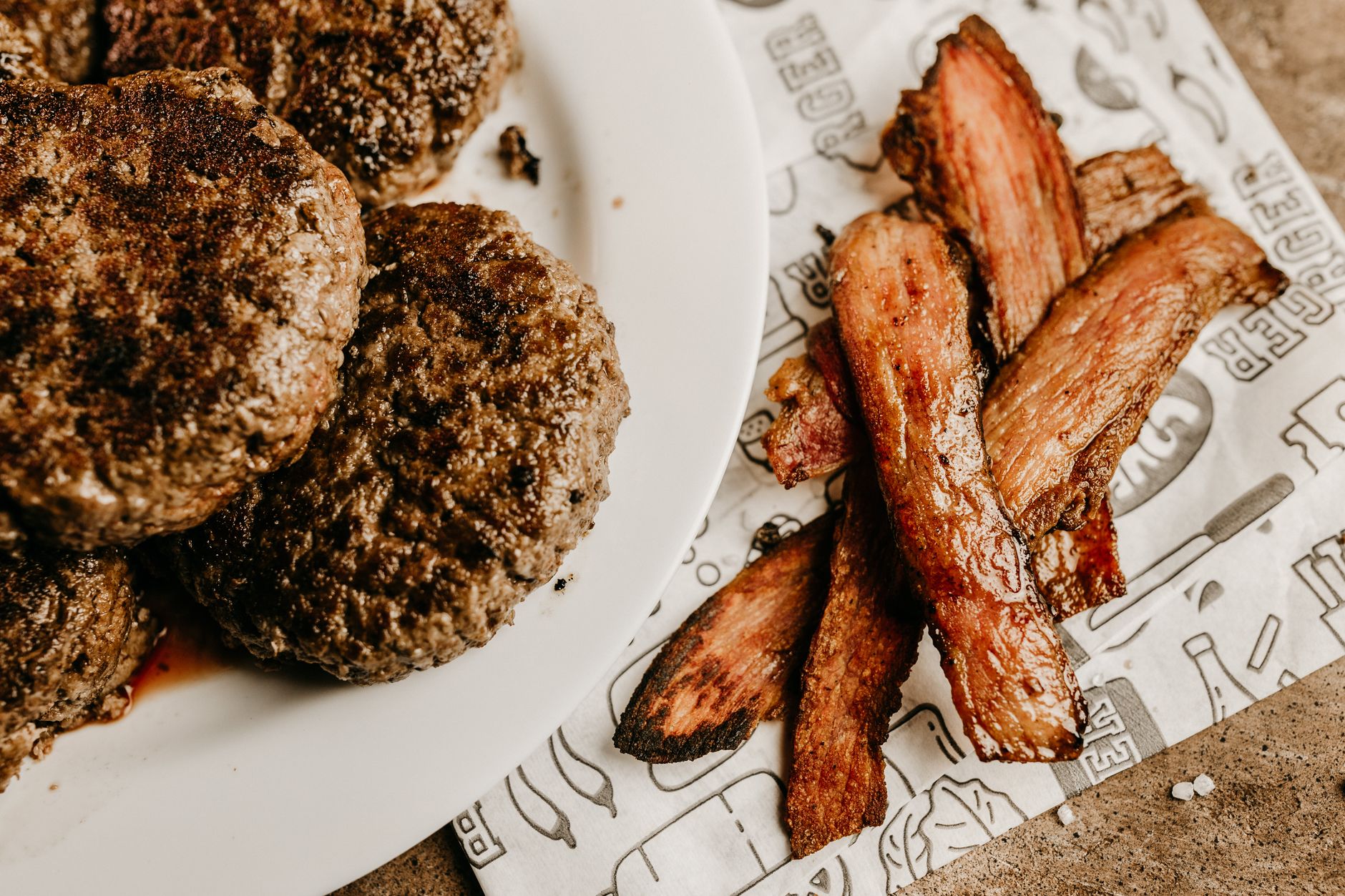
Bacon is a beloved breakfast staple that can be enjoyed in various ways, but baking it often yields the crispiest and most delicious results. Knowing the right baking time and temperature ensures that your bacon turns out perfectly every time. This article provides a comprehensive guide on how long to bake bacon and tips for achieving that ideal crunch.
Beyond just the timing and temperature, we will explore various methods and considerations for baking bacon, from the type of bacon you choose to serving suggestions. Whether you’re preparing a hearty breakfast, savory salads, or gourmet dishes, mastering bacon baking will elevate your cooking game.
How Long Do I Bake Bacon For?
The ideal baking time for bacon is typically between 15 to 25 minutes at 400°F (204°C), depending on the thickness of the bacon and desired crispiness. Thinner bacon may cook faster, while thick-cut bacon can take longer. Monitoring the bacon closely towards the end of the cooking time helps achieve the perfect texture.
Understanding Bacon Types and Cuts
Before diving into baking bacon, it’s helpful to understand the different types and cuts of bacon available.
Common Types of Bacon
- Streaky Bacon: This is the most common type, found in most supermarkets, characterized by streaks of fat and meat.
- Back Bacon: Cut from the loin, back bacon has a more meaty texture and less fat.
- Pancetta: An Italian cured meat similar to bacon, pancetta is often used in cooking for its rich flavor.
- Turkey Bacon: A lower-fat alternative to traditional pork bacon, turkey bacon offers a different flavor and texture.
Cut Thickness and Timing
The thickness of your bacon affects cooking time significantly. Here’s a rough guide:
- Regular Cut Bacon: 15 to 20 minutes
- Thick Cut Bacon: 20 to 25 minutes
- Center Cut Bacon: 15 to 20 minutes
- Turkey Bacon: 15 to 20 minutes
Equipment Needed for Baking Bacon
Baking bacon is straightforward, but having the right equipment can enhance your experience. Here’s what you need:
- Baking Sheet: A large, rimmed baking sheet is ideal for catching grease.
- Aluminum Foil or Parchment Paper: Lining the baking sheet makes for easier cleanup and helps bacon cook evenly.
- Baking Rack (optional): A rack allows fat to drip away, resulting in crispier bacon.
- Oven Thermometer: Ensuring your oven is at the correct temperature can improve cooking results.
Step-by-Step Guide to Baking Bacon
Now that you have the necessary equipment and understand the types and cuts of bacon, follow these steps for perfectly baked bacon.
- Preheat your oven: Set your oven to 400°F (204°C). This temperature is ideal for rendering fat while crisping the bacon.
- Prepare your baking sheet: Line the baking sheet with aluminum foil or parchment paper for easier cleanup. Optionally, place a wire rack over the sheet.
- Arrange the bacon: Lay the bacon strips out flat. Avoid overlapping to ensure even cooking.
- Bake the bacon: Place the baking sheet in the oven and set a timer for 15 minutes. Keep an eye on it as it may take longer depending on thickness.
- Check for doneness: Begin checking at the 12-minute mark. The bacon should be deep golden brown and crispy but not burnt.
- Remove and drain: Once done, carefully remove the bacon from the oven. Transfer to a plate lined with paper towels to soak up excess grease.
- Serve: Enjoy your crispy bacon as part of your favorite dishes!
Cooking Time Variations
While the general guideline is 15 to 25 minutes, several factors can affect the cooking time. Here are a few considerations:
Oven Variability
Every oven is slightly different. If you notice that your bacon frequently undercooks or overcooks, consider adjusting your temperature by 25°F (approximately 14°C) or using an oven thermometer for accuracy.
Cooked Bacon Storage
Cooked bacon can be stored in an airtight container in the refrigerator for 4 to 5 days. Reheat in a microwave or oven before serving. This is particularly helpful for meal prep.
How to Tell When Bacon is Done
Perfectly cooked bacon should be golden brown with a slight curl and crisp texture. If the bacon is still pliable or chewy, it likely needs more time.
Common Mistakes to Avoid When Baking Bacon
Baking bacon is typically straightforward, but there are some common mistakes to watch out for:
- Overcrowding the Pan: Laying bacon strips too closely can lead to uneven cooking and less crispiness.
- Using Too Low Temperature: Cooking bacon at lower temperatures can result in a chewy texture rather than crisp.
- Not Monitoring Towards the End: Bacon can quickly go from perfect to burnt, so keep an eye on it as it approaches the end of the cooking time.
- Skipping the Drain: Failing to drain excess grease will result in greasy bacon, losing that desirable crispiness.
Variations and Flavoring Options
Bacon isn’t just for breakfast. There are numerous ways to elevate its flavor or integrate it into other dishes:
Flavor Enhancements
- Maple Glazed: Drizzle maple syrup over the bacon before baking for a sweet twist.
- Spicy Bacon: Sprinkle cayenne pepper or chili powder on the bacon before baking for a kick.
- Brown Sugar Bacon: Coat the bacon with brown sugar for a sweet, caramelized glaze.
- Herb-Infused: Add chopped fresh herbs like rosemary or thyme for an aromatic addition.
Creative Uses for Baked Bacon
Incorporate baked bacon into a variety of dishes, such as:
- Salads: Crumble over greens for added texture and flavor.
- Sandwiches: Use crispy bacon in burger recipes or classic BLTs.
- Pasta Dishes: Add bacon to creamy pasta preparations for a rich flavor boost.
- Breakfast Bowls: Top eggs or hash browns with crispy bacon for a hearty meal.
Make-Ahead and Meal Prep Tips
If you’re looking to save time, bacon can easily be baked in advance and stored for later use. Here’s how:
Batch Cooking
- Cook a Large Batch: Bake multiple trays of bacon at once to have on hand for meals through the week.
- Cool and Store: Allow the bacon to cool completely before transferring to an airtight container.
Freezing Cooked Bacon
- Freeze for Long-Term Storage: Place cooked bacon strips between layers of parchment paper and freeze in a resealable bag for up to 3 months.
- Reheating Frozen Bacon: Reheat frozen bacon directly from the freezer in a microwave or oven until warm.
Storing Leftover Bacon
Proper storage of leftover bacon can help reduce waste and enhance its shelf life:
- Refrigeration: Store cooked bacon in an airtight container in the refrigerator for up to a week.
- Freezing: As mentioned earlier, it’s also an option to freeze bacon for later use.
- Reheating Guidelines: Reheat bacon on a paper towel in the microwave or on a baking sheet in the oven until warmed through.
Conclusion
Baking bacon provides an easy and effective way to create savory, crispy strips that can enhance a wide variety of meals. By understanding the different types of bacon, mastering the timing, and avoiding common mistakes, anyone can achieve that perfect bacon every time. Experiment with flavor variations and use your baked bacon in different dishes to fully enjoy this beloved ingredient.
If you are interested in exploring more cooking methods or recipes, consider checking out our guides on cooking bacon in the microwave or try our Million Dollar Bacon recipe for something truly delectable!