
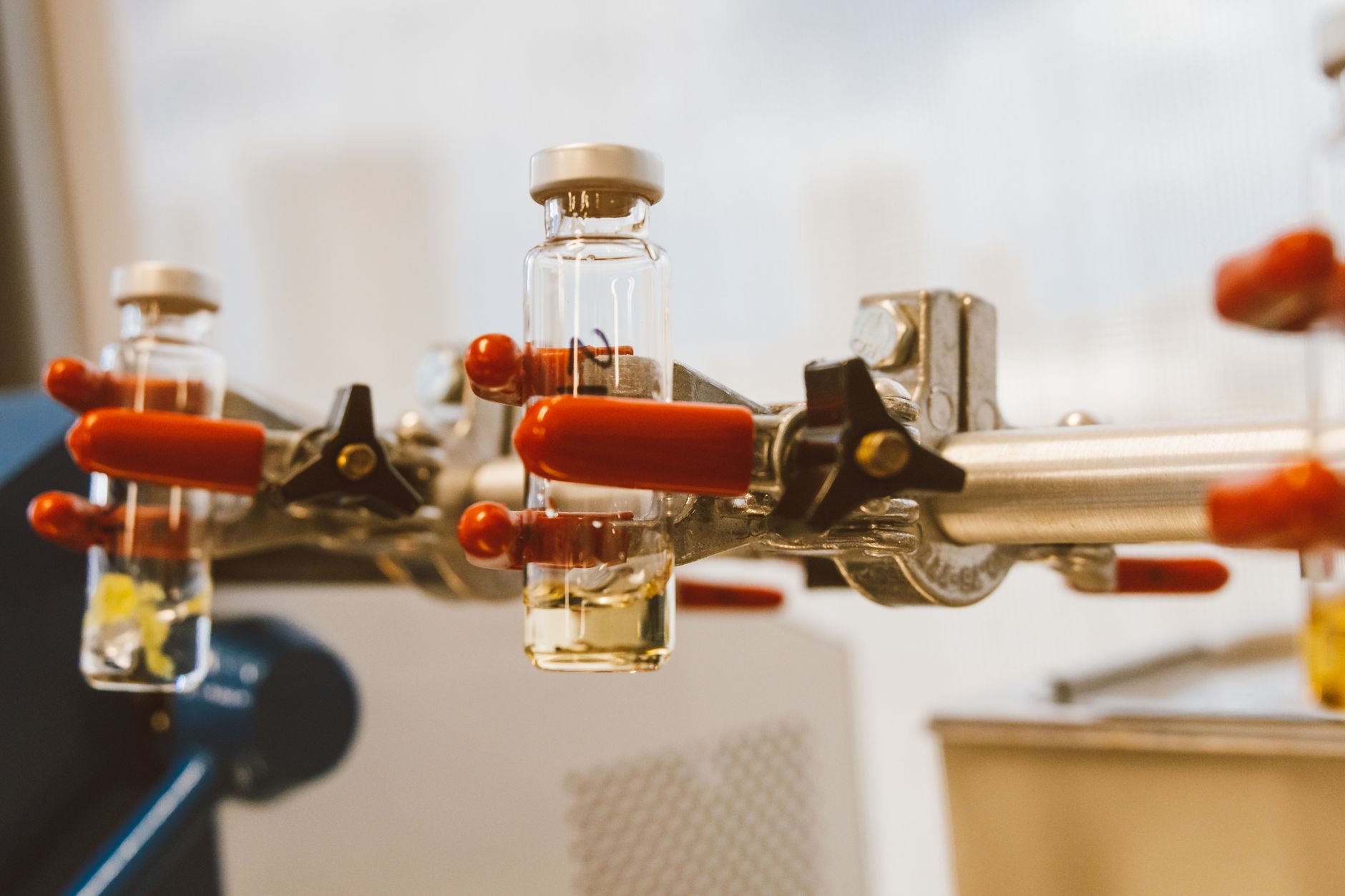
Understanding how to properly store peptides is essential for maintaining their effectiveness and safety. Peptides, which are short chains of amino acids, can be sensitive to temperature and environmental conditions. When discussing how long peptides can stay out of the fridge, it’s crucial to consider the type of peptide, as well as the conditions they are exposed to. This article provides a comprehensive look at peptide storage, ensuring you know the best practices.
In addition to answering the specific question of how long peptides can be safely kept out of refrigeration, we will explore the impact of temperature on their stability, optimal storage conditions, and the signs of degradation to watch for. With this information, you can ensure that you are using peptides safely and effectively.
How Long Can Peptides Stay Out of the Fridge?
Peptides can generally be safely stored at room temperature for a limited duration, typically anywhere from a few hours up to 24 hours, depending on the specific peptide and its formulation. However, to guarantee their stability and efficacy, refrigeration is usually recommended.
Understanding Peptides
Peptides are essentially short chains of amino acids, comprised of 2 to 50 amino acids linked by peptide bonds. They play significant roles in various biological processes and can be used for a range of purposes, including supplementation, muscle recovery, and skincare. The stability of peptides is influenced by several factors, including their sequence, structure, and temperature exposure.
Types of Peptides
- Bioactive Peptides: Often derived from food sources, these peptides can have physiological effects, such as improving immune responses.
- Therapeutic Peptides: Designed for medical applications, these are often synthesized for specific medical conditions and require strict handling and storage protocols.
- Cosmetic Peptides: Common in skincare products, these peptides can aid in anti-aging or skin-repairing processes.
Optimal Storage Conditions for Peptides
Proper storage is crucial for maintaining the integrity of peptides. Here are some best practices:
- Refrigeration: Most peptides should be kept in refrigeration between 2°C to 8°C (35°F to 46°F) to prevent degradation.
- Airtight Containers: Store peptides in airtight containers to protect them from moisture and contaminants.
- Protect from Light: Some peptides can degrade when exposed to light, so keep them in a dark place or use opaque containers.
Factors Affecting Peptide Stability
Several factors can impact how long peptides can remain outside refrigeration and how they degrade over time:
Temperature
Increased temperatures can lead to faster degradation of peptides. Generally, higher temperatures can accelerate chemical reactions that destabilize the peptide structure.
Humidity
Moisture can lead to hydrolysis, where the peptide bonds breakdown due to water exposure, significantly reducing effectiveness.
Time
The longer peptides are kept out of their optimal storage conditions, the greater the risk of degradation. For the best results, always limit exposure to both heat and humidity.
How Long Can Specific Peptides Stay Out of the Fridge?
The duration peptides can safely be kept out of refrigeration varies between types of peptides. Here are some general guidelines:
Short-Chain Peptides
Short-chain peptides typically maintain stability at room temperature for up to 24 hours. Beyond this period, there could be a risk of deterioration.
Long-Chain Peptides
Long-chain peptides, particularly those used in therapeutic settings, usually require refrigeration and should not be left out for more than a few hours.
Cosmetic Peptides
Peptides used in cosmetic products may depend on the formulation. Many of these products can remain effective outside refrigeration for several hours, but refrigeration is often recommended for longer shelf life.
Signs of Degradation
Identifying signs of peptide degradation is vital to ensure safety and effectiveness. Here are some common indicators:
- Color Changes: A noticeable shift in color may indicate that the peptide has begun to degrade.
- Appearance: Changes in texture or the formation of precipitates can signal a loss of stability.
- Smell: Any off-odors may indicate spoilage or chemical degradation.
Best Practices for Use
When using peptides, keeping the following practices in mind can help maintain their quality:
- Check Expiration Dates: Always check the expiration or use-by date and ensure you use them before that date.
- Minimize Exposure: Minimize the time peptides are left outside refrigeration; ideally, use them immediately after removing them from the fridge.
- Follow Storage Instructions: Always adhere to specific storage guidelines provided by the manufacturer.
Conclusion
To maintain the efficacy and safety of peptides, it’s essential to store them properly and keep them out of the fridge for as short a time as possible. Keeping them refrigerated is often the best practice to ensure they remain potent and effective for their intended use. If you suspect that any peptides have degraded, it’s best to discard them and acquire new supplies.
For more insights and resources on food storage and handling, explore our articles on how long cooked ground beef is good in the fridge and how long chicken is good for in the fridge.