
Picture this: a steaming bowl of fluffy rice, topped with savory grilled eel, and a drizzle of rich sauce that dances on your taste buds. The Hitsumabushi recipe is more than just a meal; it’s an experience that brings the flavors of Japan straight to your kitchen. This dish is a delightful combination of textures and tastes, offering that perfect umami kick that keeps you coming back for more. Plus, the versatility of Hitsumabushi allows you to enjoy it in three different ways, making it a fun and interactive dining experience!
Why You’ll Love This Recipe
This recipe is a standout for a few reasons. It’s not only delicious but also offers a unique way to enjoy eel.
- Three distinct serving styles to keep things exciting.
- Rich in flavor with a satisfying texture.
- Great for impressing guests or a cozy dinner at home.
- Easy to adapt with different toppings.
My Experience Making This Recipe
When I first tried making Hitsumabushi, I was amazed at how simple yet sophisticated it felt. The aroma of the grilled eel wafting through my kitchen had my family gathering around, eagerly anticipating dinner.
Serving it in three different ways sparked joyful conversations about which method was the favorite. By the end of the meal, we were all a bit too full but undeniably happy.
Recipe Overview
- Recipe Name: Hitsumabushi
- Servings: 4
- Prep Time: 15 minutes
- Cook Time: 25 minutes
- Total Time: 40 minutes
- Course: Main Course
- Cuisine: Japanese
- Calories per Serving: 550
Equipment You Will Need
- Grill or grill pan
- Rice cooker or pot for cooking rice
- Small saucepan
- Mixing bowl
- Serving bowls
Ingredients for Hitsumabushi
- 2 cups short-grain rice
- 2 cups water (for rice)
- 2 grilled eel fillets (unagi)
- 1/4 cup eel sauce (nitsume)
- 1 tablespoon soy sauce
- 1 teaspoon mirin
- 1/4 cup chopped green onions
- 1/4 cup grated wasabi (optional)
- 1/4 cup pickled ginger (gari)
- 2 cups dashi broth (for serving)
Ingredient Notes and Substitutions
- Short-grain rice: This type is sticky and ideal for sushi-style dishes. You can substitute with medium-grain rice, but the texture will differ.
- Grilled eel (unagi): It brings a rich flavor to the dish. If unavailable, you can use grilled salmon or another oily fish.
- Eel sauce: This adds sweetness and depth. A teriyaki sauce can work in a pinch, but it won’t be quite the same.
- Dashi broth: It enhances the umami flavor. You can substitute with vegetable or chicken broth.
How to Make Hitsumabushi
Step 1: Cook the Rice
Rinse the rice under cold water until the water runs clear to remove excess starch. This ensures your rice is fluffy and not gummy.
Step 2: Prepare the Rice Cooker
Add the rinsed rice and water to the rice cooker. Press the cook button and let it work its magic while you prepare the eel.
Step 3: Grill the Eel
While the rice cooks, preheat your grill or grill pan over medium heat. Grill the eel fillets for about 3-4 minutes on each side until heated through, brushing with eel sauce.
Step 4: Make the Sauce
In a small saucepan, combine soy sauce, mirin, and additional eel sauce. Heat gently to meld the flavors, stirring occasionally.
Step 5: Fluff the Rice
Once cooked, let the rice sit for about 10 minutes, then fluff it gently with a fork. This step keeps the grains separate and airy.
Step 6: Assemble the Bowls
In serving bowls, start with a generous scoop of rice. Layer the grilled eel on top and drizzle with the sauce you made.
Step 7: Prepare Toppings
Garnish each bowl with chopped green onions, wasabi, and pickled ginger. These add freshness and zest to each bite.
Step 8: Serve with Dashi Broth
Heat the dashi broth until simmering and serve it on the side. This allows everyone to enjoy the dish in their preferred way.
Pro Tip: Experiment with different toppings and sauces to discover your favorite combination!
Tips for the Best Hitsumabushi
- Use high-quality eel for the best flavor; fresh or frozen works well.
- Don’t skip rinsing the rice; it’s crucial for texture.
- Adjust the eel sauce to your taste; some prefer a sweeter flavor.
- Let the rice rest before fluffing; this helps it firm up.
- Serve immediately for the best taste; eel can dry out if left too long.
Common Mistakes to Avoid
- Skipping the rinsing step for the rice; it leads to mushy rice.
- Overcooking the eel; it should be warmed, not cooked further.
- Using too much sauce; balance is key to not overpower the dish.
- Not letting the rice sit after cooking; this helps with texture.
Serving Suggestions
This dish shines on its own but pairs beautifully with a few simple sides.
- Steamed edamame for a fresh crunch.
- A light cucumber salad for a refreshing contrast.
- Miso soup for a traditional touch.
- Japanese pickles to add a bit of tang.
Variations to Try
- Replace eel with teriyaki chicken for a different protein.
- Add a spicy mayo for an extra kick.
- Use quinoa instead of rice for a healthier option.
- Top with sesame seeds for added texture.
Dietary Adaptations
- Gluten-free: Use tamari instead of soy sauce.
- Dairy-free: This recipe is naturally dairy-free.
- Vegan/Vegetarian: Substitute grilled vegetables for eel.
- Low-carb/Keto: Use cauliflower rice instead of regular rice.
Storage and Reheating
Refrigerator
Store leftovers in an airtight container for up to 3 days.
- Keep eel and rice separate if possible.
- Refrigerate the dashi broth separately.
Freezer
For longer storage, freeze the rice and eel separately.
- Use freezer-safe containers to prevent freezer burn.
- Consume within 1-2 months for best quality.
Reheating
Reheat rice in the microwave or on the stovetop with a splash of water to revive moisture.
- Warm the eel gently on the grill or in the microwave.
- Heat the dashi broth separately before serving.
Nutrition Information
| Nutrient | Amount |
|---|---|
| Calories | 550 |
| Total Fat | 20g |
| Saturated Fat | 5g |
| Carbohydrates | 70g |
| Fiber | 2g |
| Sugar | 8g |
| Protein | 20g |
| Sodium | 600mg |
| Cholesterol | 60mg |
This information is approximate and can vary based on ingredient brands and preparation methods.
Frequently Asked Questions
Can I use a different type of fish instead of eel?
Yes, you can substitute grilled salmon or mackerel for a similar taste profile.
Can I make this recipe ahead of time?
Yes, you can prepare the rice and eel in advance, but it’s best served fresh.
How do I store leftover Hitsumabushi?
Store leftovers in an airtight container in the refrigerator for up to 3 days.
Why is my rice sticky?
Over-rinsing or undercooking the rice can lead to a sticky texture, so be sure to rinse until clear.
What can I use instead of eel sauce?
You can use teriyaki sauce as a substitute, although the flavor will differ slightly.
Final Thoughts
Making Hitsumabushi is a wonderful way to bring a taste of Japan into your home. It’s a dish that can be enjoyed in different ways, making it a fun culinary adventure.
So why not gather your ingredients and give this recipe a try? You’ll be amazed at how rewarding it is!
For more delightful recipes, check out this Hwababe recipe or learn about chard and its uses.
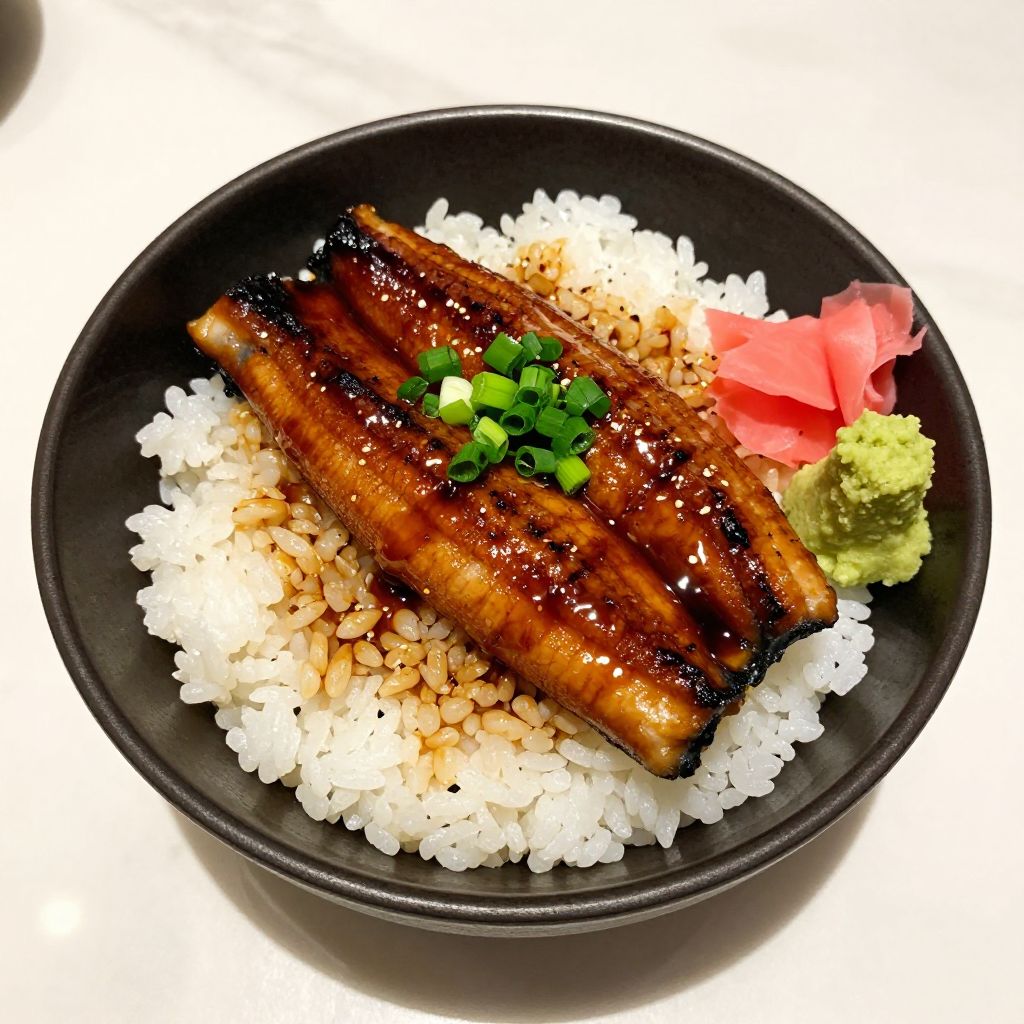
Hitsumabushi
Ingredients
Equipment
Method
- Rinse the rice under cold water until the water runs clear.
- Add the rinsed rice and water to the rice cooker. Press the cook button.
- Preheat your grill or grill pan over medium heat.
- Grill the eel fillets for about 3-4 minutes on each side, brushing with eel sauce.
- In a small saucepan, combine soy sauce, mirin, and additional eel sauce. Heat gently.
- Once cooked, let the rice sit for about 10 minutes, then fluff with a fork.
- In serving bowls, start with a scoop of rice. Layer the grilled eel on top and drizzle with sauce.
- Garnish each bowl with chopped green onions, wasabi, and pickled ginger.
- Heat the dashi broth until simmering and serve on the side.