
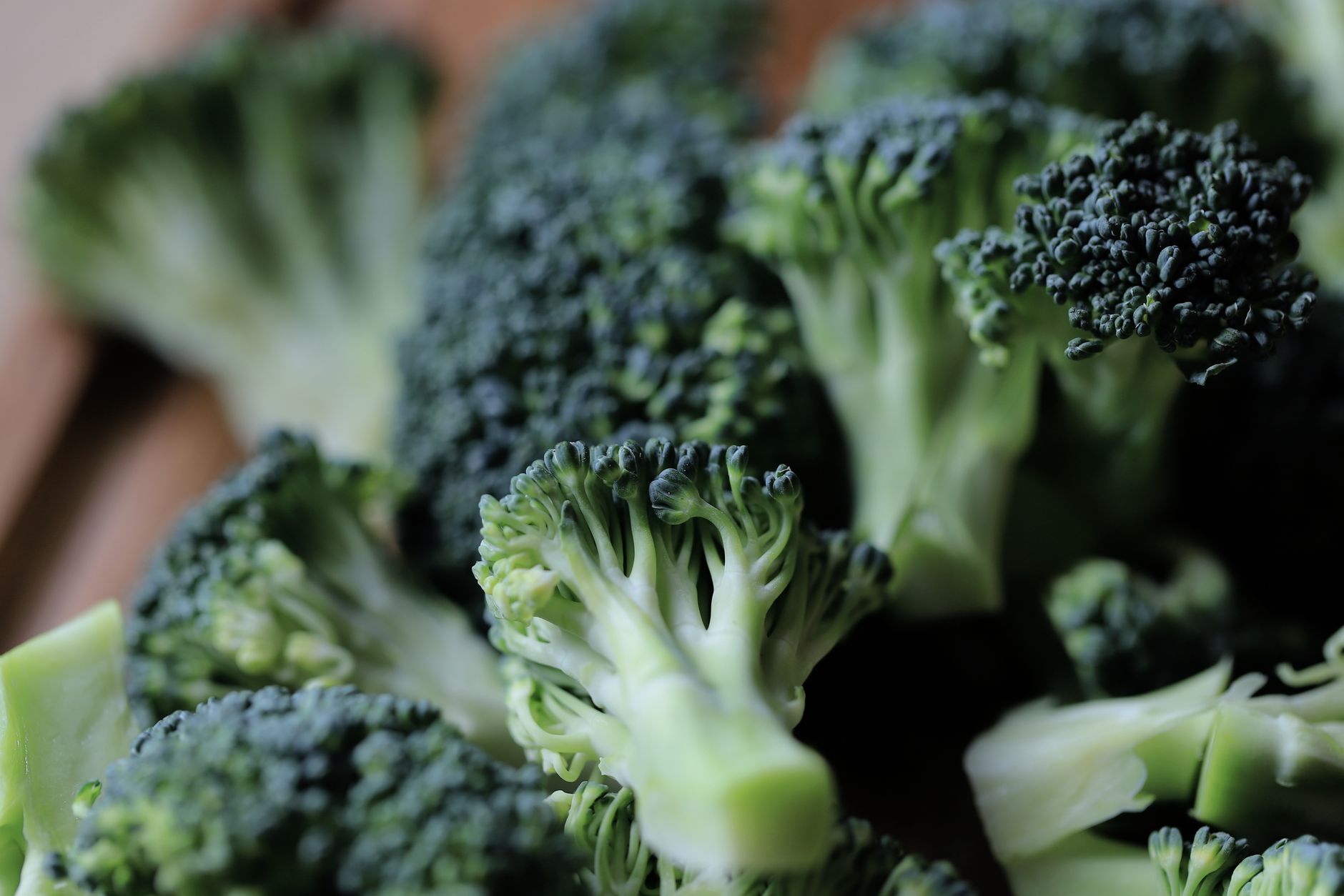
Broccoli is a nutrient-rich vegetable that has become a staple in many diets due to its remarkable health benefits and versatility in the kitchen. It can be steamed, roasted, sautéed, or even enjoyed raw, making it a popular choice for a wide variety of dishes. Understanding what nutrients are in broccoli can help you appreciate this green powerhouse and explore how best to incorporate it into your meals.
This guide will detail the essential nutrients found in broccoli, explain their health benefits, and provide practical tips for preparation and cooking. By the end, you’ll be equipped with valuable knowledge on this superfood and how it can enhance your diet.
What Nutrients Are in Broccoli?
Broccoli is renowned for its impressive nutrient profile, making it an excellent addition to any healthy diet. In a typical serving size of one cup (approximately 91 grams) of raw chopped broccoli, you can expect to find the following nutrients:
| Nutrient | Amount per 1 cup (91 g) |
|---|---|
| Calories | 31 |
| Protein | 2.5 g |
| Carbohydrates | 6 g |
| Fiber | 2.4 g |
| Sugars | 1.5 g |
| Fat | 0.4 g |
| Vitamin C | 81 mg (135% DV) |
| Vitamin K | 92.5 mcg (116% DV) |
| Folate | 57 mcg (14% DV) |
| Potassium | 457 mg (13% DV) |
| Calcium | 43 mg (4% DV) |
| Iron | 0.7 mg (4% DV) |
| Magnesium | 15 mg (4% DV) |
Vitamins
Broccoli is rich in vitamins, especially:
- Vitamin C: Essential for the growth and repair of tissues, this vitamin also acts as an antioxidant, helping to combat free radicals in the body.
- Vitamin K: Playing a vital role in blood clotting and bone health, vitamin K is abundant in broccoli, making it an important dietary source.
- Folate: This B-vitamin is necessary for DNA synthesis and repair. It is particularly important for pregnant women as it supports fetal development.
Minerals
The mineral content in broccoli contributes to various bodily functions:
- Potassium: Vital for maintaining healthy nerve and muscle function, potassium also helps control blood pressure.
- Calcium: Known for its role in bone health, calcium is present in reasonable quantities in broccoli, contributing to your daily intake.
- Iron: While not as abundant as in some meats or beans, iron in broccoli supports the production of hemoglobin, which carries oxygen in the blood.
- Magnesium: This mineral aids in muscle function, nerve function, and energy production.
Dietary Fiber
Broccoli is an excellent source of dietary fiber. This component is crucial for digestive health, helping to maintain regular bowel movements and prevent constipation. The fiber in broccoli can also aid in controlling blood sugar levels and may help with weight management by promoting a feeling of fullness.
Antioxidants and Phytochemicals
Beyond essential vitamins and minerals, broccoli is rich in antioxidants and phytochemicals, including:
- Glucosinolates: These compounds are thought to have cancer-protective properties, particularly in relation to colorectal cancer.
- Flavonoids: Antioxidants that contribute to reducing inflammation and may improve overall heart health.
- Beta-carotene: This antioxidant can convert to vitamin A in the body, supporting eye health and immune function.
Health Benefits of Broccoli
Incorporating broccoli into your diet not only enhances the flavor of your meals but also offers numerous health benefits. Here are some of the key advantages:
Supports Immune Function
Thanks to its high vitamin C content, broccoli helps bolster the immune system, allowing your body to fend off infections and illnesses more effectively.
Aids in Bone Health
The presence of vitamin K, calcium, and magnesium in broccoli supports bone density and overall skeletal health, reducing the risk of fractures and osteoporosis.
Promotes Healthy Digestion
With its fiber content, broccoli aids digestion and supports gut health by promoting the growth of beneficial gut bacteria.
May Assist in Cancer Prevention
Research suggests that compounds found in broccoli, including glucosinolates, may help reduce the risk of certain types of cancer by enhancing the body’s detoxification processes.
How to Prepare and Cook Broccoli
Proper preparation and cooking methods can enhance the flavor of broccoli while also preserving its nutrients. Here are some tips:
Choosing Broccoli
When selecting broccoli, look for firm, bright green florets with tightly packed buds and crisp stalks. Avoid any yellowing, which can indicate that the broccoli is past its prime.
Storing Broccoli
To keep broccoli fresh, store it unwashed in the refrigerator in a perforated plastic bag. It is best used within three to five days for optimal flavor and nutrition.
Preparation Methods
Before cooking, wash broccoli thoroughly under cold water to remove any dirt or pesticides. You can then:
- Chop the florets and stalks into bite-sized pieces to ensure even cooking.
- Remove tough stalks as needed, but keep some of the stalks, which are edible and nutritious.
Cooking Techniques
Broccoli can be prepared in various ways. Here are some popular methods:
Steaming
- Fill a pot with a small amount of water and bring it to a boil.
- Place broccoli in a steamer basket over the boiling water, cover, and steam for 5 to 7 minutes until vibrant green and tender-crisp.
- Remove from heat and serve immediately, optionally drizzling with olive oil or lemon juice.
Roasting
- Preheat your oven to 425°F (220°C).
- Toss broccoli florets with olive oil, salt, and pepper on a baking sheet.
- Roast for 20 to 25 minutes, turning halfway through, until the edges are crispy and the florets are tender.
Sautéing
- Heat olive oil in a skillet over medium heat.
- Add broccoli and sauté for 5 to 7 minutes until tender and bright green.
- Add garlic or chili flakes for extra flavor if desired.
Stir-Frying
- In a wok or large skillet, heat a bit of oil over high heat.
- Add broccoli along with other vegetables and protein of your choice.
- Stir-fry for 5 to 8 minutes until the broccoli is tender yet crunchy.
Broccoli Variations and Substitutions
If you’re looking to mix things up or have specific dietary preferences, there are several variations and substitutions to consider:
Variations
- Broccoli Salad: Use raw broccoli florets mixed with other vegetables, nuts, cheese, and a tangy dressing for a refreshing salad.
- Broccoli Cheese Casserole: Combine cooked broccoli with cheese sauce and breadcrumbs for a comforting side dish.
- Broccoli Quiche: Incorporate broccoli into quiche for added nutrition and flavor.
Substitutions
If broccoli is not available or you’re looking for alternatives, consider:
- Cauliflower: This vegetable has similar nutritional benefits and can often be used in place of broccoli.
- Green beans: While they have a different texture, they offer a similar nutritional profile and work well in various dishes.
- Brussels sprouts: A cruciferous vegetable like broccoli, Brussels sprouts can provide a similar flavor profile when roasted or sautéed.
Common Mistakes to Avoid
A few common pitfalls can diminish the quality and nutrition of your broccoli dish:
- Overcooking: Overcooked broccoli can become mushy and lose its vibrant color and nutrients. Aim for tender-crisp consistency.
- Too Much Water: When boiling, using too much water can cause nutrients to leach away. Steaming preserves more nutrients than boiling.
- Ignoring the Stems: Broccoli stems are nutritious and tasty when properly prepared. Peel and slice them to enjoy the whole vegetable.
Storage and Reheating Tips
Proper storage and reheating techniques can help maintain the quality of cooked broccoli:
Storage
Cooked broccoli can be stored in the refrigerator for up to three days in an airtight container. Ensure it has cooled to room temperature before sealing to prevent condensation.
Reheating
To reheat cooked broccoli:
- Microwave: Heat in small intervals until warmed through, about 30 to 60 seconds.
- Stovetop: Add a splash of water to a skillet over medium heat and toss broccoli until heated.
- Oven: Preheat to 350°F (175°C) and bake covered for about 10-15 minutes until heated evenly.
Conclusion
Broccoli is not just a versatile vegetable but also a nutrient-packed superfood that can enhance your health and your meals. By understanding its nutritional value and experimenting with preparation methods, you can effortlessly include broccoli in your cooking. Whether you’re adding it to salads, stir-fries, or casseroles, the possibilities are endless.
If you’re eager to continue exploring the culinary potential of broccoli, consider checking out our detailed guide on the carbohydrate content in broccoli at Does Broccoli Have Carbs?, or try a delicious Ground Beef and Broccoli recipe for a wholesome family meal.