
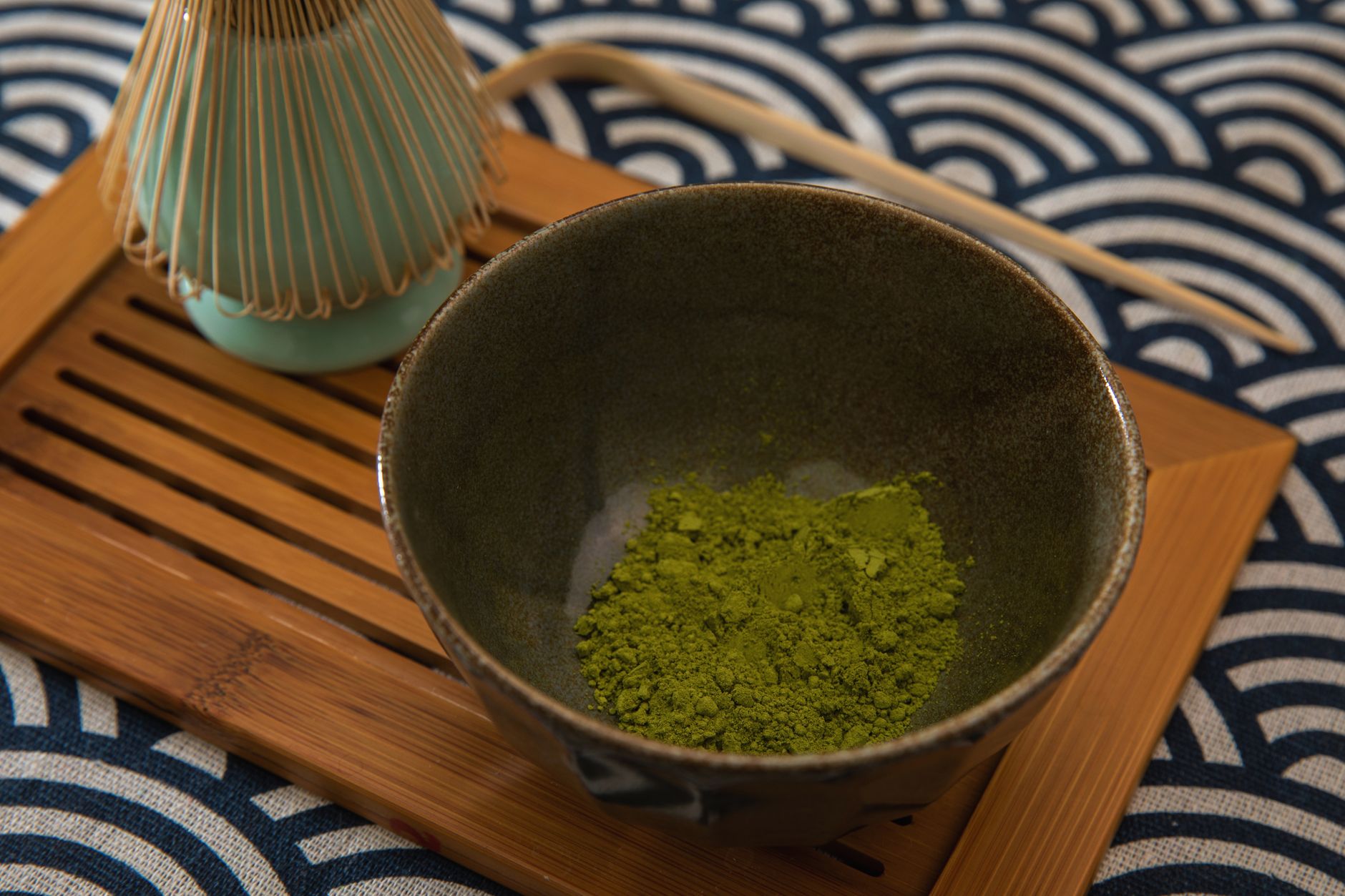
Matcha, a finely ground powder of specially grown and processed green tea leaves, has gained worldwide popularity for its vibrant color and distinct flavor. However, beyond its culinary uses, many wonder about its nutritional benefits, particularly its fiber content.
This article will explore whether matcha has fiber, its nutritional profile, how much fiber you can expect from different serving sizes, and how you can incorporate matcha into your diet.
Does Matcha Have Fiber?
Yes, matcha does contain fiber. While the amount may not be substantial, it is present in the powdered leaves. The fiber content can vary based on the serving size, with approximately 0.5 grams of fiber per teaspoon of matcha powder.
In general, matcha is consumed in small quantities (typically 1-2 teaspoons), but its fiber content can contribute beneficially when incorporated into a balanced diet.
The Nutritional Profile of Matcha
To better understand matcha’s fiber content, it’s important to look at its overall nutritional profile. Here’s a breakdown of what you can expect from a typical serving of matcha (about 1 gram or approximately 1/2 teaspoon):
- Calories: 3
- Protein: 0.3 grams
- Fat: 0 grams
- Carbohydrates: 0.7 grams
- Fiber: 0.5 grams
- Sugars: 0 grams
This nutritional information may vary depending on the specific brand of matcha and how it is processed. Organic matcha, for example, might have slightly different values compared to non-organic options.
Serving Sizes and Fiber Content
The fiber content in matcha can differ based on how much you consume. The following table provides a quick overview of the fiber content based on serving sizes:
| Serving Size | Fiber Content |
|---|---|
| 1/2 teaspoon (1 gram) | 0.5 grams |
| 1 teaspoon (2 grams) | 1 gram |
| 1 tablespoon (9 grams) | 4.5 grams |
As you can see, increasing the serving size of matcha allows for a more significant intake of fiber. However, moderation is key, as consuming large quantities may lead to undesirable effects due to the caffeine content found in matcha.
The Benefits of Dietary Fiber
Including fiber in your diet is essential for maintaining digestive health. Fiber plays several key roles in your body:
- Promotes regular bowel movements, helping to prevent constipation.
- Helps to maintain a healthy weight by promoting satiety.
- Can lower cholesterol levels, reducing the risk of heart disease.
- Regulates blood sugar levels, which can be particularly beneficial for those with diabetes.
While matcha’s fiber content is relatively low compared to other fiber-rich foods (like fruits, vegetables, and whole grains), it still contributes beneficially when part of a well-rounded diet.
How to Incorporate Matcha into Your Diet
There are numerous ways to add matcha into your meal plan. Whether you are looking for a refreshing drink or an ingredient to enhance your baked goods, matcha is versatile. Here are several popular methods:
1. Matcha Lattes
A matcha latte combines matcha powder with milk (dairy or non-dairy) for a creamy and satisfying beverage. To prepare, follow these steps:
- Start with 1 teaspoon of matcha powder in a bowl.
- Add hot water (not boiling) and whisk until smooth.
- In a separate container, heat and froth your milk of choice.
- Combine the matcha mixture with the frothed milk and sweeten to taste, if desired.
2. Smoothies
Adding matcha to a smoothie not only enhances the flavor but also boosts its nutritional value. Blend 1 teaspoon of matcha powder with fruits, vegetables, yogurt, and/or a liquid base of your choice for a nutrient-rich drink.
3. Baked Goods
Matcha can be incorporated into various baked goods, including muffins, cookies, and cakes. Its unique flavor provides a pleasant twist to classic recipes. If you’re interested, try using matcha in a Tiramisu recipe for a delightful variation.
4. Dressings and Sauces
Matcha can also be used in salad dressings or sauces, adding an earthy flavor and a hint of color. Mixing matcha powder with olive oil, vinegar, and seasonings can create an interesting dressing that pairs well with fresh greens.
Practical Tips for Using Matcha
When incorporating matcha into your diet, consider these practical tips:
- Select quality matcha powder. Aim for high-grade culinary matcha, which offers the best flavor and nutritional benefits.
- Always sift matcha powder before using it. This helps to break up clumps and create a smooth consistency.
- Experiment with portion sizes. Adjust the matcha amount based on your taste preference and how you feel with varying doses of caffeine.
Common Mistakes When Using Matcha
Though matcha is a great addition to many dishes, some common mistakes can impact your experience:
- Using boiling water. This can ruin the delicate flavors in matcha. Aim for water between 160°F to 175°F (70°C to 80°C).
- Neglecting to mix thoroughly. Proper whisking is essential to achieve the smooth texture characteristic of matcha.
- Assuming all matcha is created equal. The quality of matcha can vary significantly, with higher grades providing better flavor and health benefits.
Where to Find and Store Matcha
When looking for matcha, consider checking specialty tea shops, health food stores, or online retailers. It’s essential to choose a reputable brand that offers high-quality matcha.
A proper storage method is crucial for maintaining matcha’s freshness. Keep it in a cool, dry place away from light and moisture in an airtight container. Ideally, use matcha within a few weeks to fully enjoy its flavor and benefits.
Conclusion
Matcha does contain a moderate amount of fiber, which can contribute to a healthy diet when consumed in reasonable amounts. With its myriad of culinary uses, you can easily incorporate matcha into drinks, baked goods, and more.
Start exploring different ways to incorporate matcha into your meals and enjoy the unique flavor and benefits it brings. Consider trying unique recipes, such as a delightful matcha tiramisu or a refreshing strawberry matcha drink.
If you’re interested in more delicious ideas, explore the matcha tiramisu recipe or the strawberry matcha recipe for creative ways to enjoy this versatile ingredient.