
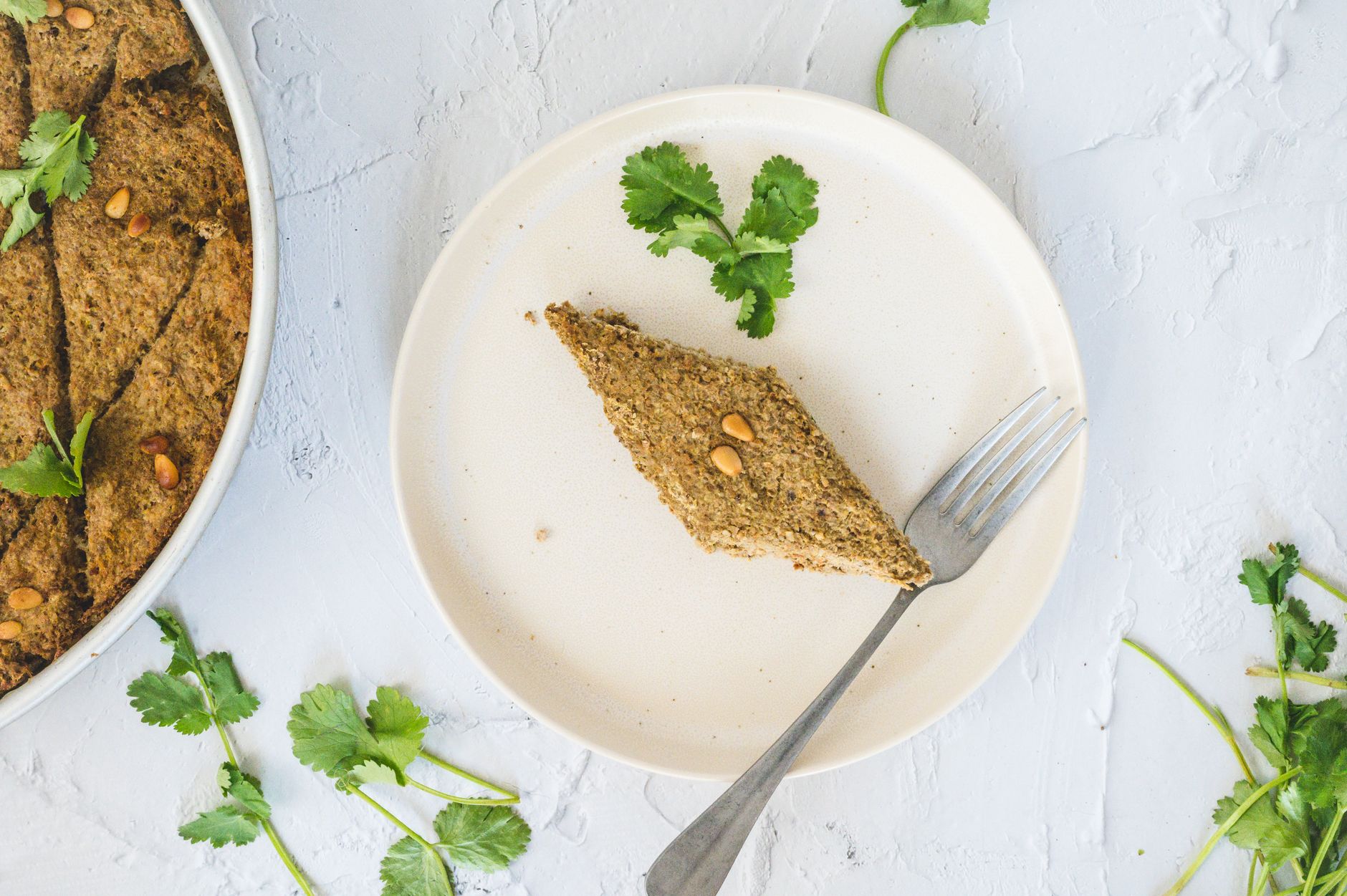
Kibbeh is a treasured dish with deep roots in Middle Eastern cuisine, particularly among Lebanese and Syrian cultures. It features a blend of finely ground meat, bulgur wheat, and an array of spices, skillfully blended to create a dish that can be served in various forms: baked, fried, or even raw.
With its rich flavors and hearty textures, kibbeh is not just food; it’s a culinary tradition passed down through generations. Understanding its ingredients, taste, and methods of serving can inspire anyone to appreciate and perhaps even create this iconic dish.
What Is Kibbeh?
Kibbeh is a traditional Middle Eastern dish made primarily from ground meat—typically lamb or beef—combined with bulgur wheat and spiced with various herbs and seasonings. Its flavor profile ranges from savory and rich to slightly tangy, often enhanced by toppings like yogurt or mint. The dish is celebrated for its versatility, allowing for baked, fried, and raw preparations.
Ingredients Used in Kibbeh
The primary ingredients of kibbeh include:
- Bulgur wheat: A key component, providing texture and a nutty flavor.
- Ground meat: Traditionally lamb or beef, although other meats can be used.
- Onions: Adds sweetness and depth to the filling.
- Spices: Common spices include cinnamon, allspice, and nutmeg.
- Herbs: Fresh mint and parsley are often incorporated for freshness.
- Salt and pepper: Fundamental seasonings to enhance flavor.
Flavor Profile and Texture
The flavor of kibbeh is complex and layered. The meat contributes richness, while the bulgur wheat adds a toothsome chewiness. The spices and herbs create a fragrant aroma that tantalizes the senses. When fried or baked, kibbeh develops a crispy exterior that contrasts wonderfully with its moist interior.
The taste can vary between different regional preparations of kibbeh, often reflecting local ingredients and culinary traditions. For example, some variations may incorporate yogurt in the mix or offer a tangy sauce on the side.
Types of Kibbeh
Kibbeh comes in a variety of forms, each reflecting a unique cultural take on the classic dish:
- Kibbeh Nayeh: Raw kibbeh made with finely ground lamb mixed with bulgur and spices, often served with olive oil and fresh vegetables.
- Kibbeh Bil Sanieh: Baked kibbeh layered in a dish, resembling a casserole, often topped with spiced meat and pine nuts.
- Kibbeh Ma’leyeh: Deep-fried kibbeh shaped into small balls or patties, providing a crispy bite that is irresistible.
- Kibbeh Mishweya: Grilled kibbeh shaped onto skewers, a popular variant during gatherings and barbecues.
How to Serve Kibbeh
Kibbeh can be enjoyed in various ways, often served as part of a mezze platter or as a main course. Here are some common serving suggestions:
- With Dipping Sauces: Serve kibbeh with a side of tahini, yogurt, or a spicy dipping sauce.
- On Salad: Accompany kibbeh with a fresh salad, typically made with tomatoes, cucumbers, and parsley.
- With Flatbreads: Pair kibbeh with warm pita or laffa bread for a delightful meal.
- Garnished: Top with fresh herbs such as mint or cilantro for an extra burst of flavor.
Cooking Techniques for Kibbeh
The preparation of kibbeh can vary based on the type you are making. Here’s a general overview of different cooking techniques:
Baking Kibbeh Bil Sanieh
- Preheat the oven: Set your oven to 375°F (190°C).
- Prepare the base: Mix bulgur wheat with ground meat, onions, and spices. Press half of this mixture into a greased baking dish.
- Add the filling: Layer cooked ground meat and nuts on top of the base layer.
- Top it off: Spread the remaining meat mixture over the filling to form a top layer.
- Bake: Bake for about 30 minutes until lightly browned on top.
Frying Kibbeh
- Shape the kibbeh: Take the mixture and form small balls or ovals.
- Heat oil: In a deep frying pan, heat oil over medium-high heat.
- Fry until golden: Carefully add kibbeh to the hot oil and fry until they are golden brown, about 4-5 minutes.
Preparing Kibbeh Nayeh
- Combine ingredients: Mix finely ground lamb with bulgur, spices, and olive oil.
- Bowl presentation: Serve on a plate garnished with olive oil, onion slices, and fresh herbs.
Common Mistakes When Making Kibbeh
While making kibbeh is enjoyable, certain missteps can occur. Here are common mistakes to avoid:
- Using too much water: Ensure the bulgur is soaked but not overly wet, which can lead to a mushy texture.
- Improper seasoning: Taste your mixture before cooking; kibbeh should be well-seasoned to enhance flavors.
- Overcrowding the frying pan: Fry in batches to ensure even cooking and crispiness.
Substitutions and Variations
There are endless variations and substitutions that can be made to accommodate dietary preferences or local ingredients:
- Meat alternatives: Ground turkey or chicken can be used instead of beef or lamb for a lighter option.
- Gluten-free option: Quinoa or cauliflower rice can be substituted for bulgur wheat.
- Spice variations: Experiment with different spices such as cumin or coriander for a unique twist.
Storage and Reheating
If you have leftovers, storing them properly is essential to maintain flavor and texture:
- Storage: Keep cooked kibbeh in an airtight container in the refrigerator for up to 3 days.
- Freezing: Uncooked kibbeh can be frozen for extended storage; wrap tightly before placing it in the freezer.
- Reheating: Reheat in the oven at 350°F (175°C) until warmed through, or fry again briefly for a crispy texture.
Kibbeh in Cultural Context
Kibbeh is more than just a meal; it is often associated with celebration and gatherings in Middle Eastern culture. It is common to see kibbeh served during family occasions, weddings, and large gatherings, reflecting community and shared traditions. Each region has its distinct variations and methods of preparation, showcasing the diversity of culinary practices across the Middle East.
Moreover, kibbeh is often linked with the concept of hospitality. Offering homemade kibbeh to guests signifies warmth, welcoming, and generosity. This cultural aspect adds depth to the dish, transforming it into a symbol of pride in heritage and warmth in communal sharing.
Conclusion
Kibbeh stands as a versatile and flavorful dish that embodies rich culinary traditions. With its roots spread across the Middle East, it’s an opportunity to explore a variety of flavors and textures, whether prepared as a family dish during gatherings or enjoyed as a quick snack. Whether you choose to make it baked, fried, or raw, kibbeh invites you to connect with its cultural significance while treating your taste buds to something truly delightful.
If you’re inspired by kibbeh, consider exploring other Middle Eastern delicacies and cooking techniques! For more delicious ideas, check out our guides on creating flavorful mezze platters and traditional tahini dishes.