
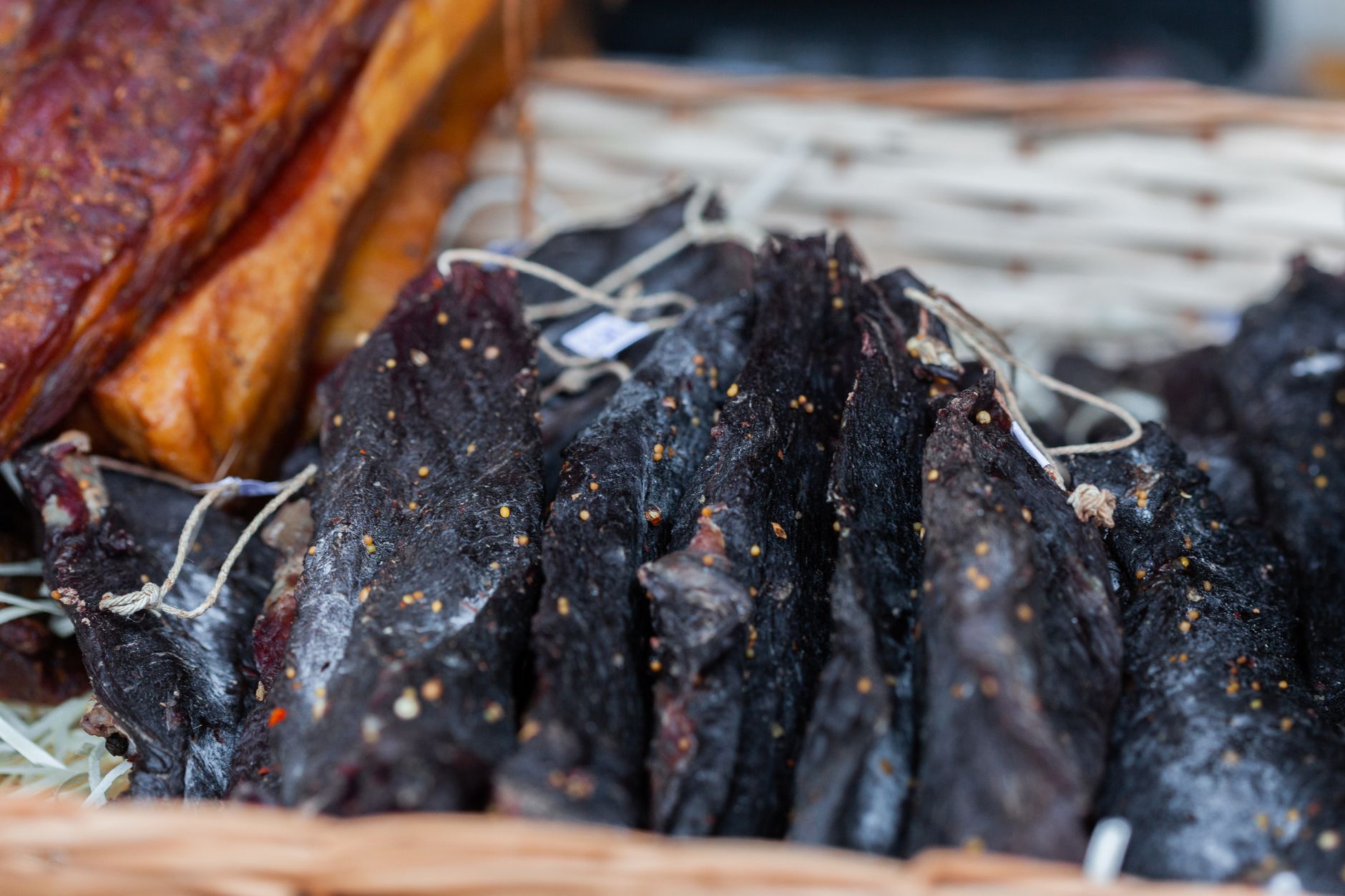
Jerky is a beloved snack enjoyed by many, particularly for its rich flavor and portability. However, upon checking the prices, many consumers wonder why jerky is so expensive compared to other snacks. This article dives into the reasons behind the cost of jerky and its various uses in the kitchen.
Understanding the factors that contribute to the price of jerky will help consumers make informed decisions about their purchases. We’ll explore everything from the ingredients used to the production process, as well as some practical kitchen uses for jerky.
Why Is Jerky So Expensive?
Jerky is expensive primarily due to the high-quality ingredients used, the lengthy production process, and the demand for sustainable and ethical sourcing methods. The dehydration process also adds to the cost, as it requires specialized equipment and time to achieve the desired texture and flavor.
Factors Contributing to the Cost of Jerky
1. Quality of Ingredients
- Meat Source: The type of meat used significantly affects the price of jerky. Premium cuts of beef, venison, buffalo, or turkey are often more expensive, and grass-fed or free-range options add even more to the cost.
- Flavorings and Spices: The use of high-quality spices, marinades, and flavorings can also elevate the price. Gourmet jerky may contain organic ingredients or unique flavor combinations that raise production costs.
2. Production Process
- Preparation: Preparing the meat for dehydration involves trimming, slicing, and marinating, which are labor-intensive processes. Craftsmen often spend considerable time ensuring that each piece is evenly sliced and well-marinated.
- Dehydration: The process of dehydrating meat involves drying it at low temperatures for an extended period. This method preserves flavor while extending shelf life but requires specialized dehydrators and careful monitoring.
3. Packaging and Preservation
- Vacuum Sealing: Many jerky brands use vacuum sealing to maintain freshness, requiring additional materials and technology that contribute to costs.
- Resealable Packaging: Innovative packaging that keeps jerky fresher for longer often comes at a higher price point, which is included in the final product cost.
4. Market Demand
The demand for jerky has surged, especially among health-conscious consumers looking for high-protein snacks. This rise in popularity increases competition, often leading to higher prices. Additionally, as more artisanal jerky brands emerge, the emphasis on unique flavors and sustainable sourcing also impacts pricing.
5. Small Batch Production
Many jerky producers focus on small batch production, emphasizing quality over quantity. While this approach results in more hand-crafted and flavorful products, it also means that the costs must be higher to maintain quality control and adhere to ethical sourcing standards.
Understanding Jerky Varieties
There are various types of jerky available, each differing in flavor, texture, and price. Knowing the differences can help you understand what to expect when selecting a jerky product.
1. Traditional Beef Jerky
Beef jerky is the most common type. It can vary in flavor, from sweet to spicy, and is often made from different cuts of beef. The choice of beef cut directly impacts its cost, with leaner cuts such as eye of round being more expensive.
2. Exotic Meats
Jerky made from exotic meats, such as venison, elk, or bison, tends to be pricier due to the availability and sourcing challenges associated with these animals.
3. Turkey Jerky
Turkey jerky is often marketed as a healthier, lower-fat alternative to beef jerky. However, because of the processing and flavoring methods used, quality turkey jerky can still be expensive.
4. Vegan Jerky
Vegan and plant-based jerky, often made from soy, mushrooms, or seitan, can also be pricier than traditional jerky due to the unique ingredients and processes required to achieve the chewy texture that mimics meat.
Practical Uses for Jerky in the Kitchen
Jerky isn’t just a snack; it can be a versatile ingredient in various recipes. Here are some practical uses for jerky in your kitchen:
1. Ingredient in Soups and Stews
Chopped jerky can impart a rich, savory flavor to soups and stews. Simply add it to your pot while simmering, allowing it to rehydrate and release its flavors.
2. Salads
Adding jerky to salads provides a satisfying texture and boosts the protein content. Consider slicing it into thin pieces and incorporating it into a mixed greens salad topped with your favorite dressing.
3. Snack Combinations
Jerky pairs wonderfully with cheese, nuts, and dried fruits, making it a perfect choice for charcuterie boards or road trip snacks. By combining these elements, you can create a diverse platter that balances flavors and textures.
4. Jerky Fried Rice
For a twist on traditional fried rice, consider incorporating chopped jerky. Sauté it with vegetables and rice, seasoned with soy sauce or teriyaki sauce for an umami kick.
Making Your Own Jerky at Home
If the price tag on store-bought jerky seems steep, consider making your own at home. It allows you to control the ingredients while possibly cutting costs. Here’s a basic overview of how to make jerky.
Essential Equipment
- Dehydrator or oven
- Sharp knife
- Cutting board
- Baking tray (if using an oven)
- Storage bags or containers
Basic Jerky Recipe
- Choosing the Meat: Select your desired cut of meat, ideally one that is lean. Trim any visible fat to prevent spoilage.
- Slicing: Slice the meat into thin strips, about 1/4 inch thick. This ensures even drying.
- Marinating: Prepare a marinade with your choice of liquid flavorings, spices, and salt. Combine the meat and marinade in a resealable bag and marinate in the refrigerator for at least 6 hours or overnight.
- Draining: After marinating, remove the meat from the bag and let excess marinade drip off.
- Dehydrating: Place the strips of meat in your dehydrator or spread them on a baking tray. If using an oven, set it to the lowest temperature and keep the door slightly ajar for air circulation. Dehydrate until the jerky reaches your desired texture, usually 6 to 8 hours.
- Storing: Once cooled, store your jerky in vacuum-sealed bags or airtight containers. Properly dried jerky can last for several months.
Possible Variations
Feel free to experiment with different marinades or seasonings. Options may include teriyaki, spicy mustard, or even barbecue sauce. Adjusting the flavor profile gives you the freedom to create jerky that suits your palate.
Common Jerky Mistakes to Avoid
- Using Too Much Fat: Fat can lead to spoilage. Always choose lean cuts of meat when making jerky.
- Inadequate Dehydration: Not dehydrate jerky long enough can result in a chewy texture that is less enjoyable. Ensure jerky is fully dried to prevent spoilage.
- Skipping the Marinade: Marinating adds flavor and helps tenderize the meat; don’t bypass this crucial step.
Storage and Shelf Life of Jerky
Proper storage is essential to prolonging the shelf life of jerky. Keeping it in a cool, dark place helps maintain freshness. Vacuum-sealed jerky can last up to a year, while opened packages should be consumed within a few weeks.
Conclusion
Jerky’s expense is justified by the quality of ingredients, intricate production processes, and increasing market demand. Understanding these factors enhances appreciation for this tasty snack. If you’re keen on exploring the versatility of jerky in your cooking, consider trying homemade varieties for customized flavor experiences.
For those interested in making homemade jerky, check out our guides for venison jerky or teriyaki jerky. They’ll provide practical steps to create your own delicious jerky at home.