
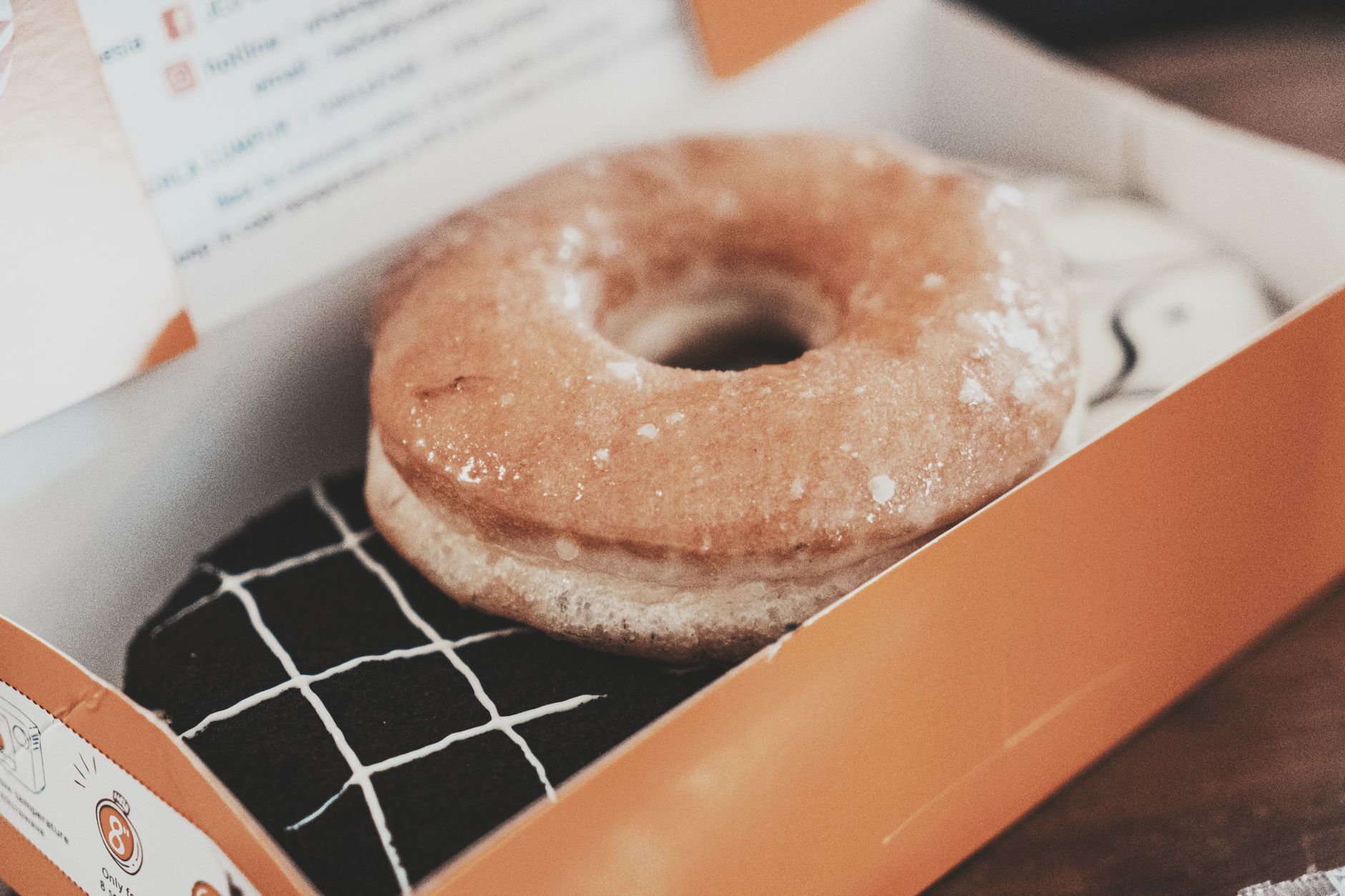
Donuts are a popular treat enjoyed by many, but their sugar content can be a concern for those monitoring their dietary intake. Understanding how much sugar is in a donut is essential for making informed choices, particularly when indulging in a sweet snack. This article will explore the sugar content in various types of donuts, breaking it down by serving size.
We’ll look into common varieties of donuts, their typical sugar levels, and how to assess sugar in homemade versions versus store-bought options. Additionally, we’ll discuss how sugar impacts flavor, texture, and overall satisfaction.
How Much Sugar Does a Donut Have?
On average, a standard glazed donut contains around 10 to 15 grams of sugar. However, this amount can vary significantly based on the type, size, and ingredients. Specialty donuts and those with toppings can have sugar content exceeding 30 grams.
Understanding Sugar Content in Different Types of Donuts
Donuts come in a variety of shapes, flavors, and styles. The sugar content can vary widely, influenced by ingredients used and preparation methods. Below is an overview of common donut types and their average sugar content:
- Glazed Donut: Typically contains 10-15 grams of sugar.
- Chocolate Frosted Donut: About 15-20 grams of sugar, due to the chocolate glaze.
- Jelly-Filled Donut: On average, these can have 15-25 grams of sugar, depending on the sweetness of the jelly.
- Cream-Filled Donut: Usually contains around 20-30 grams of sugar, as both the filling and glaze contribute to the total.
- Maple Bar: A maple-glazed bar can contain up to 20 grams of sugar, depending on its size and sugar content in the glaze.
- Powdered Sugar Donut: These often have 15-20 grams of sugar, with the powdered sugar coating adding to the total.
- Specialty or Gourmet Donuts: Can range widely from 20 grams to 50 grams or more, depending on toppings and fillings.
Examining Sugar in Homemade versus Store-Bought Donuts
The sugar content in donuts can be affected significantly by whether they are homemade or purchased from a store. Here are some factors to consider:
Homemade Donuts:
When making donuts at home, you have the advantage of controlling the ingredient quantities and quality. Typical recipes will use sugar in the dough as well as in any icing or glazes.
- Recipe Variations: You can reduce sugar in homemade recipes by substituting natural sweeteners like honey, maple syrup, or agave nectar, although these may lead to different textures.
- Additional Ingredients: Incorporating fruits such as bananas or applesauce can add sweetness with less refined sugar.
- Portion Control: By making smaller donuts or lighter glazes, you can effectively reduce the overall sugar content per serving.
Store-Bought Donuts:
Commercially made donuts often contain more sugar for flavor enhancement and to extend shelf life.
- Ingredients: Many store-bought varieties utilize high-fructose corn syrup and other sweeteners in addition to regular sugar, increasing overall sugar content.
- Standard Sizing: Donuts from bakeries and grocery stores are typically larger than homemade versions, contributing to higher sugar counts.
- Specialty Offerings: Seasonal or themed donuts may contain extra sugar due to additional toppings like sprinkles or syrups.
How to Measure Sugar Content in Donuts
Understanding how to measure sugar content in donuts is essential for those monitoring their intake. Here are steps to consider:
- Read Labels: For store-bought donuts, always check nutrition labels when available. They will provide an accurate sugar content based on serving size.
- Research Recipes: For homemade donuts, analyze ingredient lists in recipes to determine the total amount of sugar used.
- Use Nutrition Calculators: If you make variations or substitutions, consider using nutritional analysis tools or calculators to get an accurate estimate.
The Role of Sugar in Donut Flavor and Texture
Sugar is not just about sweetness; it plays several crucial roles in the overall structure and flavor of donuts:
Flavor Enhancement:
Sugar amplifies the sweet flavor profile of donuts and balances other tastes, such as saltiness or bitterness from chocolate or spices.
Moisture Retention:
It helps retain moisture, providing that soft, tender texture characteristic of many donuts. Reducing sugar could lead to drier baked goods unless other moisture sources are added.
Color and Caramelization:
Sugar promotes browning through caramelization during frying or baking, improving the visual appeal and flavor complexity.
Common Mistakes When Assessing Sugar in Donuts
When evaluating sugar content, enthusiasts often overlook crucial aspects that can lead to misunderstanding. Here are some common pitfalls:
- Ignoring Serving Size: Assessing sugar content without noting the serving size can lead to miscalculations. A larger donut will naturally have more sugar.
- Assuming All Sugars Are Equal: Natural sugars from fruits may be healthier than refined sugars, but they still contribute to calorie counts.
- Overlooking Sugar Alternatives: Many recipes might call for sugar substitutes. Knowing how these alternatives fit into your dietary needs is essential.
Healthy Considerations When Enjoying Donuts
While donuts can be a delicious treat, health-conscious eaters should practice moderation. Here are some tips for enjoying donuts responsibly:
- Portion Control: Limit yourself to one small donut to manage sugar intake without completely forgoing the pleasure of enjoying a treat.
- Balance with Nutrition: Pairing a donut with protein or fiber-rich foods can help balance the meal. Consider adding nuts or yogurt for a well-rounded snack.
- Occasional Indulgence: It’s okay to enjoy donuts as an indulgence; simply be mindful of frequency and quantity.
Make Your Own Healthier Donuts
If you’re looking to enjoy donuts with less sugar, making your own at home allows for customization. Here’s a simple overview of how to craft your own donuts with less sugar:
Starting Ingredients:
- 2 cups all-purpose flour
- 1/2 cup sugar (or natural substitute)
- 2 tsp baking powder
- 1/2 tsp salt
- 1/2 cup milk
- 2 eggs
- 1/4 cup melted butter
- Flavor options (vanilla extract, spices)
Step-by-Step Method:
- Preheat Oven: Preheat oven to 350°F (175°C).
- Mix Dry Ingredients: Combine flour, sugar, baking powder, and salt in a bowl.
- Combine Wet Ingredients: In another bowl, beat the eggs, then stir in milk and melted butter. Add vanilla if desired.
- Combine Mixtures: Gradually mix the wet ingredients into the dry until just combined. Avoid overmixing.
- Shape Donuts: Use a donut pan to fill batter about halfway.
- Bake: Bake for 10-12 minutes until donuts spring back when touched.
- Cool and Glaze: Allow cooling before glazing with a light icing or powder sugar.
Storing Donuts: Preserving Freshness and Quality
If you have leftover donuts, proper storage is key to maintaining their quality. Here are some tips:
- Short-Term: Keep donuts in an airtight container at room temperature for up to two days for optimal freshness.
- Long-Term Storage: For prolonged freshness, freeze donuts in a single layer, wrapping them tightly. When ready to eat, thaw at room temperature or warm them for a few seconds in the microwave.
- Avoiding Staleness: Donuts generally dry out quickly; consume them as soon as possible for best flavor.
In summary, donuts can be enjoyed in moderation, but being aware of their sugar content is critical for those monitoring their sugar intake. Understanding the various types, assessing homemade versus store-bought options, and experimenting with healthier recipes can help you enjoy your favorite sweet treat without compromising your dietary goals.
For readers looking to dive deeper into baking, check out our easy donut recipe without yeast or learn how to make powdered sugar icing for a delightful topping. Enjoy your culinary explorations!