
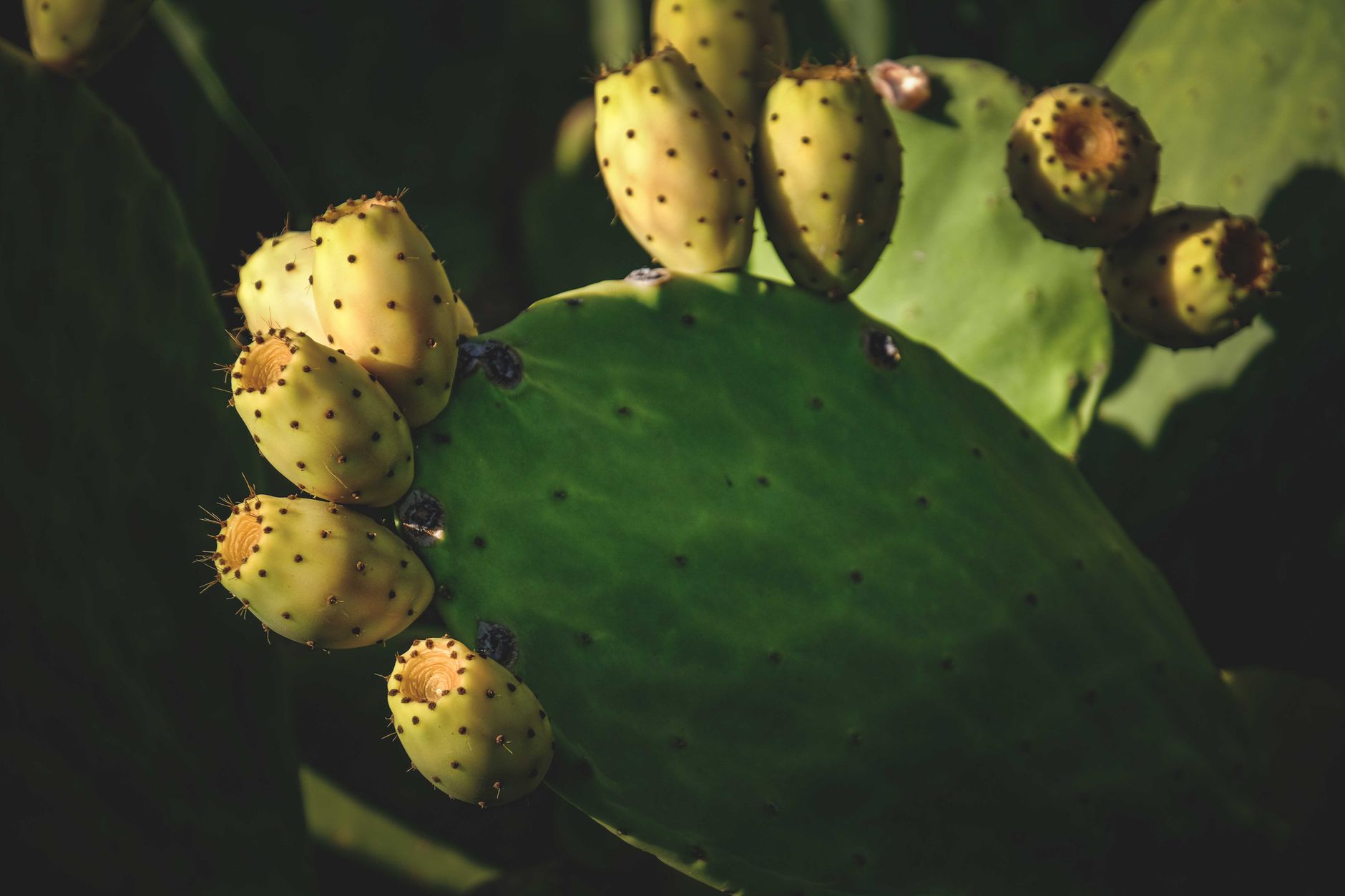
Prickly pear, also known as cactus fruit or nopal fruit, is a vibrant and versatile ingredient derived from the prickly pear cactus. This fruit is not only packed with flavor but also boasts an impressive nutritional profile, making it a favorite in various culinary applications.
Its sweet and slightly tangy flavor, combined with a unique texture, invites various uses in both sweet and savory dishes. This article delves into the details of prickly pear, including its ingredients, taste, and culinary uses, helping you incorporate this intriguing fruit into your meals.
What Is Prickly Pear?
Prickly pear is the edible fruit of several cactus species, predominantly the Opuntia genus. Known for their bright colors, which can range from green to purple, these fruits are not only visually appealing but also offer a refreshing taste with a jelly-like consistency. They grow in arid regions, and their cultivation has gained popularity in many cuisines around the world.
Physical Characteristics of Prickly Pear
Prickly pears are oval or pear-shaped fruits that can vary greatly in size, typically measuring between 3 to 7 inches long. Their skin is covered with small, hair-like spines called glochids, which can irritate the skin if not handled properly. Inside, the flesh is often either a bright green, yellow, or deep red, dotted with tiny edible seeds.
Nutritional Profile of Prickly Pear
This fruit is not only delicious but also healthy. Prickly pear is low in calories and rich in vitamins and minerals, including vitamin C, magnesium, and fiber. It also contains antioxidants, which are beneficial for health, making it a great addition to a balanced diet.
Flavor Profile of Prickly Pear
The taste of prickly pear can be described as a combination of watermelon, kiwi, and bubblegum, offering a sweet yet slightly tart flavor. Its texture resembles that of a pear—smooth and juicy with numerous small seeds adding a crunchiness that enhances its appeal. The unique blend of taste and texture makes prickly pear an exciting addition to both sweet and savory dishes.
Common Culinary Uses for Prickly Pear
Prickly pear can be enjoyed in various forms, including fresh, juiced, or cooked. Here are some delightful culinary uses:
1. Fresh Consumption
When consumed fresh, prickly pear can be sliced and added to fruit salads or served alone as a refreshing snack. To prepare fresh prickly pear, it is essential to handle it with care to avoid the spines. Wearing gloves, you can cut off the ends and use a knife to slice the skin off, revealing the bright flesh inside.
2. Juicing
Prickly pear juice is a popular beverage in many cultures. The juicy flesh can be blended and strained to make refreshing drinks. This juice can also be mixed with other fruit juices or used as a base for cocktails.
3. Jams and Jellies
Prickly pear is often used to make jams and jellies, taking advantage of its natural sweetness and vibrant color. By combining it with sugar and pectin, you can create spreads that add a unique flavor to toast or pastries.
4. Salads and Salsas
Chopped prickly pear can add a delightful sweetness to salads and salsas. Mixing diced prickly pear with onions, tomatoes, cilantro, and lime juice creates a fresh salsa perfect for pairing with chips or grilled meats.
5. Desserts
Prickly pear can be utilized in various desserts, such as sorbet, ice cream, and fruit tarts. Its natural sweetness pairs well with other fruits and flavorings, offering endless possibilities for sweet treats.
6. Global Cuisine
In Mexican cuisine, prickly pear is often used in traditional dishes such as tacos, salads, and drinks like agua fresca. Its global appeal means that it can be found in various culinary traditions, showcasing its versatility as an ingredient.
How to Choose and Store Prickly Pear
Selecting ripe prickly pears requires some attention. Look for fruits that are firm to the touch, with vibrant skin color and a slight give when gently squeezed. Avoid fruits with dark spots or excessive blemishes.
To store prickly pears, they should be placed in the refrigerator in a paper bag or plastic container. This will help keep them fresh for about one week. If you anticipate not using them within that time frame, you may also consider freezing the fruit for extended storage. When freezing, it’s best to peel and cut the fruit into chunks, then place them in an airtight container before freezing.
Preparing Prickly Pear for Cooking
Preparing prickly pear can be a bit tricky due to its spines, so proper handling is crucial. Follow these steps to clean and prepare prickly pear safely:
- Wear gloves to protect your hands from the small spines.
- Use a sharp knife to cut off both ends of the fruit.
- Slice down the side of the fruit, cutting through the skin without going too deep into the flesh.
- Peel the skin away from the flesh, revealing the vibrant interior.
- Dice or slice the flesh as required for your recipe.
Cooking with Prickly Pear: Popular Recipes
Incorporating prickly pear into your cooking is simple and rewarding. Here are a few recipe ideas to inspire you:
Prickly Pear Salsa
This refreshing salsa is perfect for summer gatherings or as a topping for grilled steak or fish.
Ingredients
- 2 ripe prickly pears, peeled and diced
- 1 small red onion, finely chopped
- 1 medium tomato, diced
- 1 jalapeño, minced (optional)
- 2 tablespoons fresh cilantro, chopped
- Juice of 1 lime
- Salt and pepper to taste
Method
- In a bowl, combine the diced prickly pears, red onion, tomato, jalapeño, and cilantro.
- Add the lime juice and mix well.
- Season with salt and pepper to taste.
- Serve with tortilla chips or as a topping on grilled meats.
Prickly Pear Smoothie
A delicious and healthy smoothie that showcases the unique flavor of prickly pear.
Ingredients
- 1 ripe prickly pear, peeled and diced
- 1 banana
- 1 cup spinach
- 1 cup almond milk (or any milk of choice)
- 1 tablespoon honey or agave syrup (optional)
Method
- In a blender, combine the diced prickly pear, banana, spinach, and almond milk.
- Add honey or agave syrup if desired.
- Blend everything until smooth.
- Pour into a glass and enjoy!
Prickly Pear Substitutions and Alternatives
While prickly pear has a distinct flavor and texture, there are a few alternatives you can consider if it’s not readily available:
- Watermelon: In salads or salsas, watermelon can provide a similar sweetness and juiciness but lacks the crunchy texture of prickly pear seeds.
- Kiwi: For desserts, kiwi can mimic the tartness and vibrant color, although it has a softer texture.
- Dragon fruit: Similar in appearance, dragon fruit can be a suitable substitute, providing a mild sweetness and striking presentation in dishes.
Common Mistakes When Cooking with Prickly Pear
Like any ingredient, working with prickly pear requires some knowledge to avoid pitfalls:
- Not removing all the spines: Ensure you properly handle the fruit to prevent spines from irritating your skin and mouth.
- Using unripe fruit: Ripe prickly pears are essential for achieving the best flavor and texture in your dishes.
- Overcooking: When using prickly pear in cooked applications, avoid overcooking it as it can turn mushy and lose its unique texture.
Health Benefits of Prickly Pear
Beyond its delightful taste, prickly pear is associated with several potential health benefits:
- High in Fiber: The fiber content in prickly pear aids in digestion and promotes gut health.
- Rich in Antioxidants: It contains a variety of antioxidants that may help combat oxidative stress and reduce inflammation.
- Supports Hydration: The high water content in prickly pear helps keep you hydrated, especially in hot weather.
Where to Buy Prickly Pear
Prickly pears can typically be found in Latin American grocery stores, farmers’ markets, and specialty supermarkets. When shopping for prickly pears, keep an eye out for ripe, firm fruits with vibrant colors. If you cannot find them fresh, consider looking for canned or jarred options, though fresh tends to provide the best flavor.
Storing Leftover Prickly Pear
If you have leftover prickly pear, store it in an airtight container in the refrigerator. The fruit can keep for up to a week, and if you have prepared a salsa or smoothie, they should be consumed within two to three days to ensure freshness and flavor. Freezing prickly pear is also an option; just be sure to peel and cut it beforehand.
Conclusion
Prickly pear is a unique and delightful ingredient that can enhance a variety of dishes. With its vibrant color, sweet flavor, and array of culinary uses, this fruit is worth exploring in your kitchen. Experiment with prickly pear in fresh salads, juices, or exotic desserts to add a special touch to your meals.
Feel free to explore more about cooking techniques, ingredient guides, and exciting recipes to further expand your culinary repertoire.