
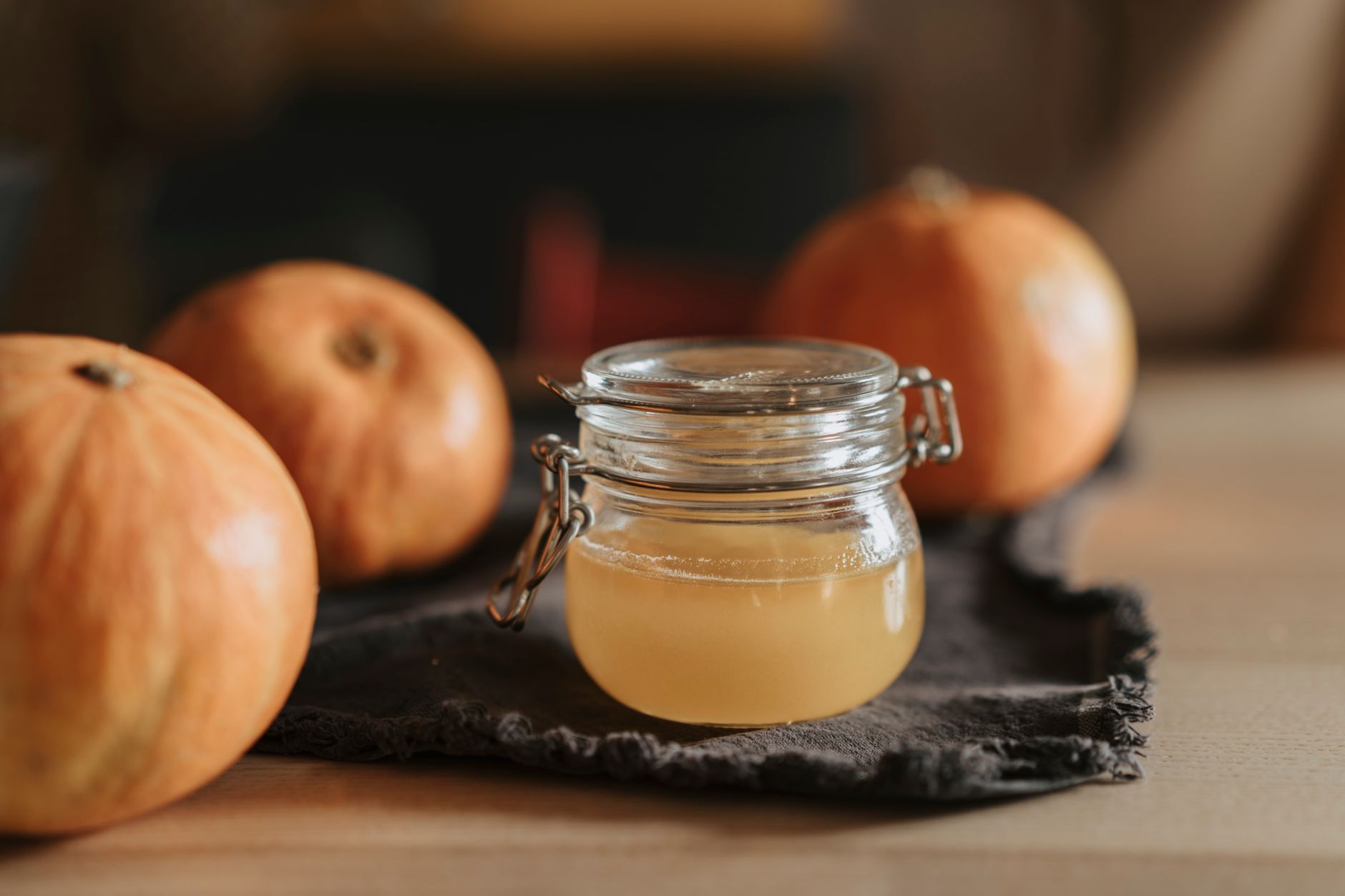
Pumpkin is a beloved ingredient in many cuisines around the world, celebrated for its versatility and rich flavor. From savory soups to sweet pies, pumpkin adds both nutrition and taste to various dishes. However, a common question arises: is pumpkin acidic? Understanding its acidity can help in meal planning, especially for those managing acid-related dietary restrictions.
This article will explore the acidity of pumpkin, its culinary uses, and serving ideas. We will cover the nutritional aspects, potential substitutes, and tips to incorporate pumpkin into your meals seamlessly. Whether you’re baking a pie or preparing a hearty stew, knowing how to work with pumpkin can elevate your cooking.
Is Pumpkin Acidic?
Pumpkin is generally considered a low-acid food. Its pH level typically ranges from 5.5 to 6.5, making it neutral to slightly acidic. This factor makes pumpkin a suitable ingredient for those on low-acid diets. However, it’s essential to consider how preparation methods or added ingredients might affect the overall acidity of the dish.
Nutritional Profile of Pumpkin
Beyond its acidity, pumpkin is a nutritional powerhouse. It contains a variety of vitamins, minerals, and antioxidants. Here are some key nutrients found in pumpkin:
- Vitamin A: Essential for eye health and immune function.
- Fiber: Aids digestion and can help regulate blood sugar levels.
- Potassium: Important for heart health and maintaining blood pressure.
- Antioxidants: Helps combat oxidative stress, reducing the risk of chronic diseases.
Including pumpkin in your diet can provide these health benefits while being a delicious addition to various dishes. Its natural sweetness pairs well with spices like cinnamon and nutmeg, making it a favorite in fall recipes.
Culinary Uses of Pumpkin
Given its mild flavor and creamy texture, pumpkin can be utilized in several dishes. Here are some popular ways to incorporate pumpkin into your cooking:
1. Pumpkin Puree
Pumpkin puree is a versatile ingredient used in both sweet and savory dishes. You can make your own by roasting or steaming fresh pumpkin, then blending it until smooth. It can also be purchased canned for convenience. Use pumpkin puree in:
- Pumpkin pies and baked goods like muffins and cookies.
- Soups and stews to add creaminess and depth of flavor.
- Breakfasts like smoothies, oatmeal, or pancakes.
2. Roasted Pumpkin
Roasting pumpkin enhances its natural sweetness and can serve as an excellent side dish. To roast, cut the pumpkin into cubes or wedges, toss with olive oil, salt, and spices, and bake at 400°F (200°C) until tender. Roasted pumpkin pairs well with:
- Salads, adding texture and flavor.
- Grains like quinoa or farro for nutritious bowl meals.
- As a topping for pizzas for a seasonal twist.
3. Pumpkin Soup
Pumpkin soup is a comforting dish perfect for colder months. Use pumpkin puree or fresh pumpkin, sauté onions and garlic in a pot, add the pumpkin, vegetable or chicken broth, and spices. Blend until smooth for a creamy texture. Consider garnishing with:
- Crispy bacon or roasted pumpkin seeds for crunch.
- Fresh herbs like thyme or cilantro to enhance the flavor.
Serving Ideas for Pumpkin Dishes
Here are some delicious serving ideas to enjoy pumpkin-based dishes:
1. Pumpkin Chili
Incorporate pumpkin into your chili for a hearty, flavorful dish. Use ground meat or beans as your base and add pumpkin puree along with your usual tomato sauce and spices. Serve with cornbread or over rice for a filling meal.
2. Pumpkin Bread
Sweet pumpkin bread is a delightful treat for breakfast or dessert. Combine pumpkin puree with flour, sugar, eggs, and spices like cinnamon and nutmeg. Bake until golden brown and enjoy with butter or cream cheese.
3. Pumpkin Smoothies
Add pumpkin puree to your morning smoothies for an extra dose of nutrition. Blend with yogurt, banana, and a bit of honey for a refreshing start to your day.
Exploring Dietary Preferences
For those with specific dietary needs, pumpkin is often a suitable ingredient:
- Gluten-Free: Pumpkin is naturally gluten-free, making it an excellent choice for those with celiac disease or gluten sensitivity.
- Vegan: Many pumpkin recipes can easily be made vegan by substituting eggs with flaxseed meal or applesauce.
- Low-Carb: Pumpkin has a relatively low carbohydrate content, allowing it to fit into low-carb diets when used in moderation.
Practical Ingredient Substitutions
If you find yourself without pumpkin or simply want to experiment, here are some substitutions:
- Butternut Squash: Similar in flavor and texture, butternut squash makes an excellent alternative in soups and baked goods.
- Sweet Potato: Provides a sweet, creamy texture similar to pumpkin and works well in pies and soups.
- Carrot Puree: While sweeter than pumpkin, it can be used in certain recipes where the sweetness is a benefit, like muffins.
Common Mistakes When Using Pumpkin
When cooking with pumpkin, here are some pitfalls to avoid:
- Using Pumpkin Pie Filling Instead of Puree: Pumpkin pie filling often contains added sugars and spices that can alter the taste of your recipe, so ensure you’re using plain pumpkin puree.
- Neglecting to Season: Due to its mild flavor, pumpkin needs adequate seasoning to bring out its full depth. Don’t shy away from using spices!
- Overcooking: Pumpkin can become mushy if overcooked. Monitor cooking times closely, especially when roasting or boiling.
Storage and Reheating of Pumpkin Dishes
Proper storage can extend the life of your pumpkin dishes. Here are some storage tips:
- Refrigeration: Store homemade pumpkin puree or cooked pumpkin dishes in an airtight container in the refrigerator for up to a week.
- Freezing: For long-term storage, pumpkin puree can be frozen in portioned containers or freezer bags for up to three months. Make sure to label bags with the date.
- Reheating: Reheat pumpkin dishes on the stovetop over low heat or in the microwave, stirring frequently to maintain even heat.
Conclusion
Pumpkin is a low-acid ingredient that provides a wealth of culinary opportunities. Its versatility allows it to be used in various dishes, from soups to baked goods, enhancing flavor and nutrition. By understanding its acidity and exploring different preparation methods, you can confidently incorporate pumpkin into your meals.
For further exploration, consider looking into freezing pumpkin pie or delving into the uses of pumpkin puree for more delicious recipes.