
Choosing the right fruits while following a ketogenic diet can be a challenge, as many common fruits are high in carbohydrates. However, there are still plenty of keto-friendly fruits that you can enjoy in moderation. Understanding which fruits fit within your carb limits can enhance your meals and snacks without derailing your keto goals.
This guide will help you identify fruits that can be included in your keto diet, provide nutrition profiles, serving tips, and give ideas on how to incorporate them into your meals. Whether you’re looking for a refreshing snack or a flavor addition to your dishes, this article will equip you with the knowledge to make the best choices.
What Fruit Can You Eat on Keto?
On a ketogenic diet, you generally aim for a daily carbohydrate intake of about 20 to 50 grams of net carbs. Net carbs are calculated by subtracting fiber from the total carbohydrates. This limit requires careful selection of fruits, as most are relatively high in sugars. Fortunately, some fruits are lower in carbs and can be enjoyed while maintaining a state of ketosis.
Best Fruits for the Keto Diet
Here are some of the best fruits to include in your keto meals and snacks:
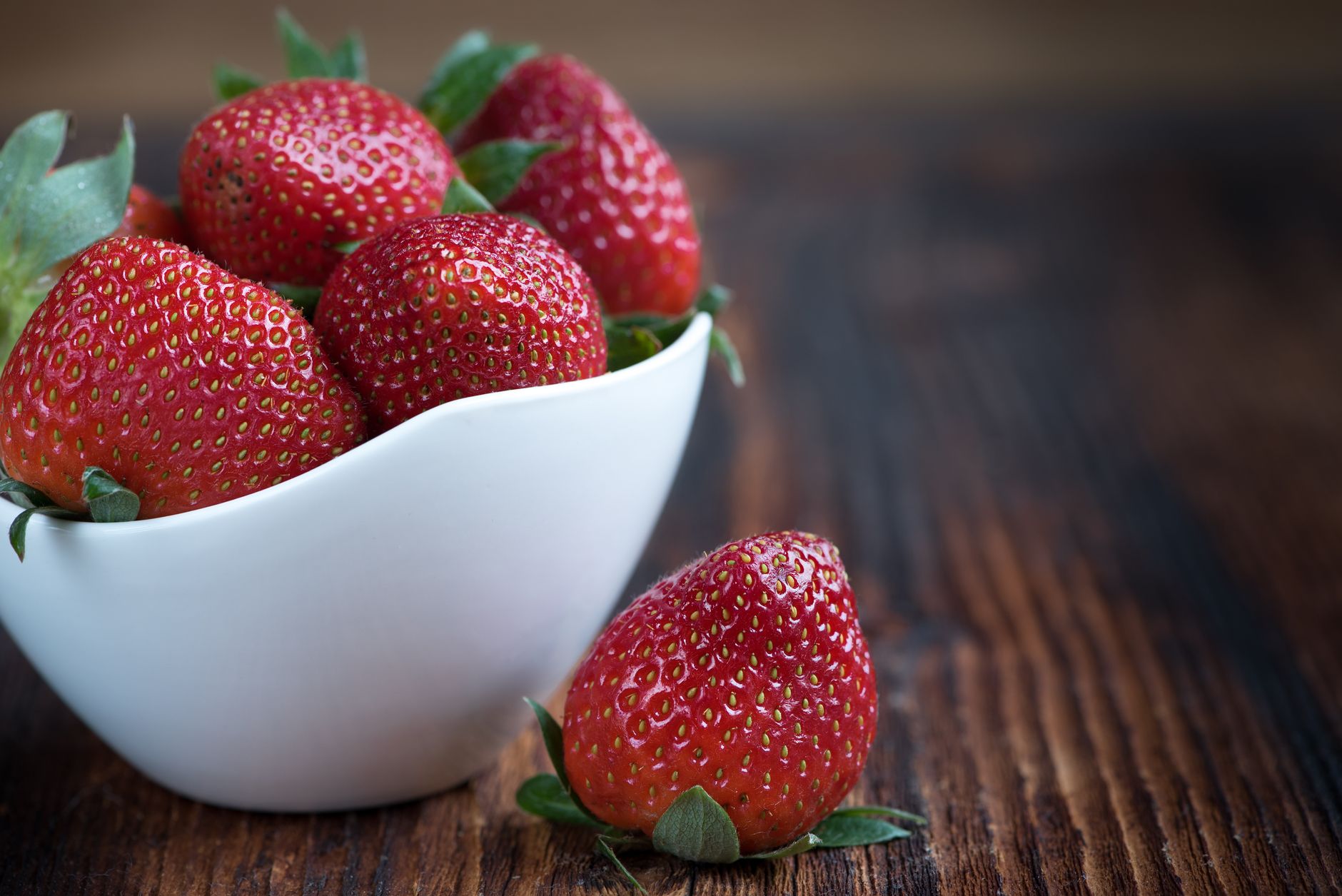
- Berries: Strawberries, raspberries, blackberries, and blueberries are some of the lowest carb fruits available. They’re also high in antioxidants and vitamins, making them a nutritious choice.
- Avocado: Technically a fruit, avocados are rich in healthy fats and very low in carbohydrates. They provide heart-healthy monounsaturated fats and are also high in fiber.
- Coconut: Both fresh coconut meat and unsweetened coconut flakes are low in carbs and high in fat. Coconut also provides fiber, making it a good option for keto.
- Lemon and Lime: These citrus fruits can add flavor with a minimal carb contribution. They are perfect for flavoring water, salad dressings, or marinades.
- Tomatoes: Often mistaken for a vegetable, tomatoes are low in carbs and can be used in a variety of dishes, from salads to sauces.
- Olives: Also a fruit, olives are low in carbohydrates and high in healthy fats. They make for great snacks or additions to salads and charcuterie boards.
- Rhubarb: Low in carbs and high in fiber, rhubarb can be used in desserts and sauces. It should be cooked before consumption.
Nutritional Profiles of Keto-Friendly Fruits
To help you gauge your intake and make informed choices, here’s a closer look at the nutritional profiles of the best keto-friendly fruits:
| Fruit | Serving Size | Net Carbs (g) |
|---|---|---|
| Strawberries | 100 g | 7.7 |
| Raspberries | 100 g | 5.4 |
| Blackberries | 100 g | 4.3 |
| Blueberries | 100 g | 12.1 |
| Avocado | 100 g | 1.8 |
| Olives | 100 g | 3.1 |
| Lemon | 100 g | 3.0 |
| Lime | 100 g | 2.0 |
| Coconut (meat) | 100 g | 6.2 |
Incorporating Keto Fruits into Your Diet
Now that you know which fruits to choose from, how can you incorporate these into your meals? Here are several practical serving tips:
Snacks
Fresh, washed berries make for a quick and healthy snack. Pair them with a serving of cream cheese or almond butter for a flavor boost. Avocado slices can be drizzled with olive oil and sea salt for a satiating snack.
Breakfast
Incorporate berries into your breakfast by adding them to yogurt or smoothies. For a keto breakfast bowl, mix avocado with chopped olives and toss in some diced tomatoes.
Salads
Use berries or avocado in salads for added nutrition and flavor. Top with a lemon vinaigrette for a fresh dressing that doesn’t contribute many carbs. You can also create a salad with mixed greens, olives, and diced tomatoes.
Desserts
Consider making a berry compote as a topping for almond flour pancakes or keto cheesecakes. You can also make a refreshing lime or lemon sorbet using the fruit juice with an appropriate sweetener.
Drinks
Add a squeeze of lemon or lime to your water or tea for a refreshing, low-carb beverage option. Use coconut in smoothies to boost flavor and creaminess.
Possible Mistakes When Eating Fruit on Keto
While fruits can be a healthy addition to your keto diet, there are some common pitfalls to watch out for:
- Overconsumption: It’s easy to underestimate the carb content in fruits. Always measure your serving sizes to track your carb intake effectively.
- Choosing High-Sugar Fruits: Many fruits, like bananas, grapes, and apples, are high in sugar and should be avoided, as they can quickly fill your carb allowance.
- Neglecting Fiber: Focus on the fiber content in lower-carb fruits, which can assist in digestion. Avoid fruits with low fiber and high sugar.
Storage and Shelf Life of Keto-Friendly Fruits
Proper storage of fruits is essential to prolong their freshness and ensure they retain their best qualities. Here are some guidelines:
Fresh Berries
Store fresh berries in the refrigerator and wash them just before eating to prevent spoilage. They typically last about 3-7 days.
Avocados
Store avocados at room temperature until ripe, then refrigerate them to slow down the ripening process. Once cut, sprinkle with lime or lemon juice to minimize browning and store them in an airtight container.
Olives and Coconut
Store olives in the refrigerator in their brine for optimal freshness. If using fresh coconut, keep it refrigerated in an airtight container and consume within a week.
Lemons and Limes
Store lemons and limes at room temperature or in the refrigerator. They can last for several weeks when kept cool.
Common Misconceptions about Fruit and Keto
There are several misconceived notions regarding fruit consumption on a ketogenic diet:
- All fruits are bad: While many fruits are high in carbs, there are keto-friendly options you can enjoy in moderation.
- Fruits are always healthy: While fruits are nutritious, their sugar content can still be problematic on keto if consumed in excess.
- Milking the cow: Merely watching carb intake isn’t enough; pay attention to portion sizes and overall dietary balance.
Practical Tips for Following a Keto Fruit Plan
Here are some practical tips to maintain a successful keto fruit intake:
- Keep a journal: Find it helpful to track your fruit intake and its effects on your ketosis.
- Mix and match: Combine different keto-friendly fruits to create unique flavors and textures.
- Plan your meals: Incorporate fruits into your weekly meal prep to ensure you stay within your carb limits.
- Educate yourself: Know the carb content of various fruits and familiarize yourself with serving sizes.
Exploring Fruit Substitutes
If you find that fruits are still high in carbs, there are some substitutes you can explore:
- Chia seeds: They can mimic the texture and nutritional benefits of fruits while being lower in carbs.
- Sugar-free jam: Use it sparingly to add fruity flavors without the carbs present in fresh fruits.
- Extracts: Use fruit extracts or essences like vanilla, lemon, or orange to flavor dishes without adding carbs.
Understanding which fruits to include in your keto diet can significantly enhance your culinary experience while adhering to your dietary goals. By choosing low-carb options and recognizing serving sizes, you can still enjoy the flavor and benefits of fruits without compromising your state of ketosis.
To further explore your culinary journey, check out how to freeze watermelon and the benefits of creating a candied fruit recipe.