
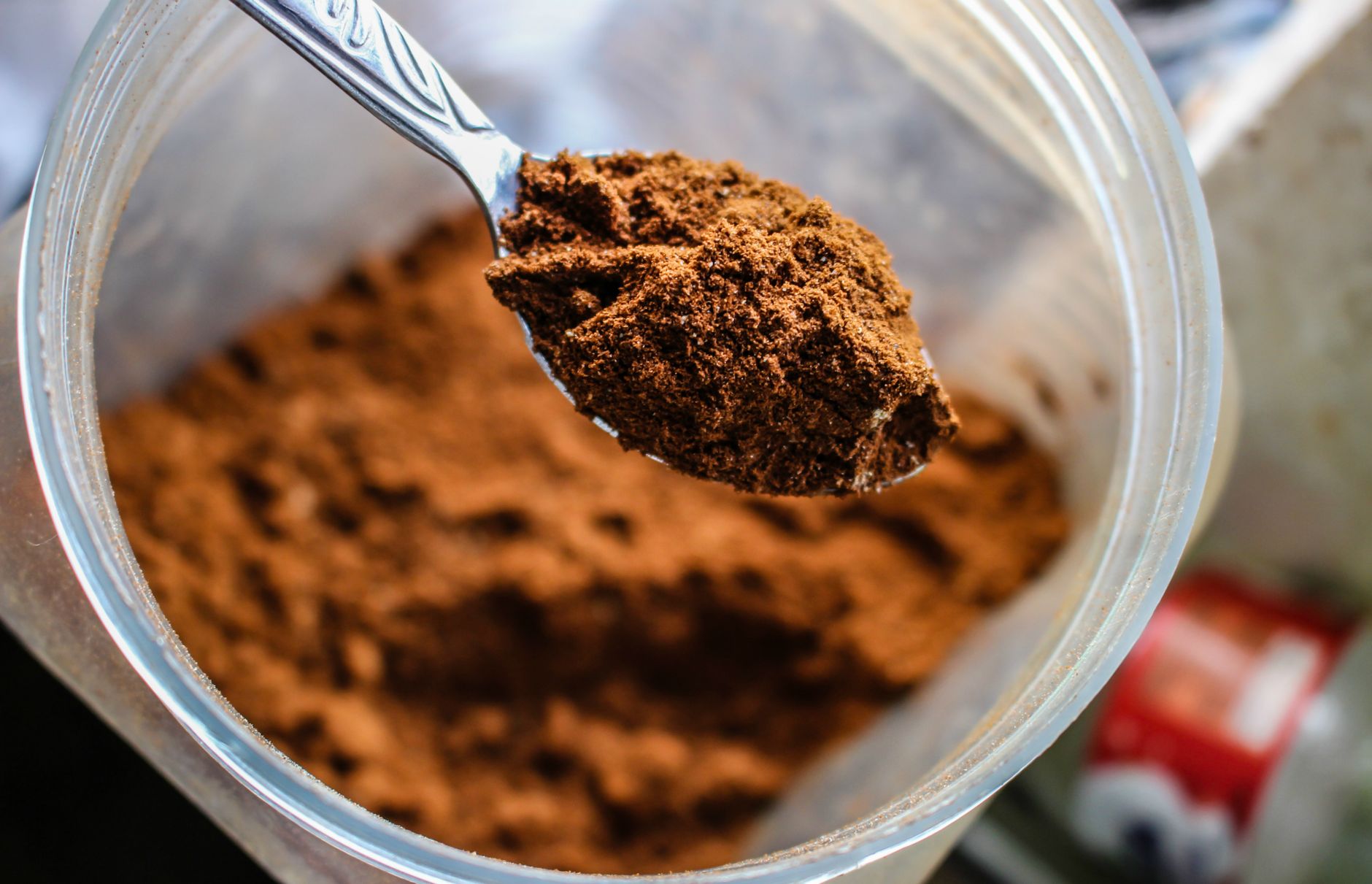
Alkalized cocoa, also known as Dutch-processed cocoa, is a popular form of cocoa powder that has undergone a treatment process to neutralize its natural acidity. This method alters the cocoa’s flavor profile, texture, and uses in cooking and baking, making it a preferred choice for many recipes.
This article will explore what alkalized cocoa is, its characteristics, and how to incorporate it into your cooking. We’ll also cover alternatives and substitutions, all aimed at enhancing your culinary experiences with chocolate.
What Is Alkalized Cocoa?
Alkalized cocoa is derived from cocoa beans that have been treated with alkaline substances to reduce their acidity. This process not only changes the flavor but also affects the color, resulting in a dark, rich cocoa powder that is less bitter than natural cocoa. The alkalization was developed in the early 19th century in the Netherlands by Coenraad Johannes van Houten, which is why it is often referred to as Dutch cocoa.
The primary goal of alkalizing cocoa is to create a smoother texture and a more balanced chocolate flavor, enhancing its suitability in a variety of recipes.
Taste and Texture of Alkalized Cocoa
One of the most significant differences between alkalized cocoa and natural cocoa is the flavor. While natural cocoa has a lighter and more acidic taste, alkalized cocoa presents a milder, sometimes earthier flavor. This can be particularly appealing in desserts where richness is desired.
In terms of texture, alkalized cocoa is generally finer and silkier than natural cocoa. This makes it easier to incorporate into batters and doughs, ultimately affecting the mouthfeel of the final product.
Kitchen Uses for Alkalized Cocoa
Alkalized cocoa is incredibly versatile, making it a favorite ingredient in several types of dishes. Below are common kitchen uses:
Baking
Alkalized cocoa is preferred in many baking recipes, including chocolate cakes, brownies, and cookies. Its smooth texture blends seamlessly with other dry ingredients, creating a consistent batter. When using alkalized cocoa, it is typically recommended to pair it with baking powder for leavening, as the alkalization process can interfere with the performance of baking soda due to its neutral pH.
Making Beverages
This cocoa works exceptionally well in hot cocoa and other chocolate drinks. The smoother taste can elevate the drinking experience. You can use alkalized cocoa powder in recipes for Mexican hot chocolate, where it can be combined with spices to enhance its flavor.
Culinary Sauces and Puddings
Alkalized cocoa can be used to make rich chocolate sauces or puddings. It can dissolve easily in liquids, making it suitable for a variety of chocolate-based desserts. The fine texture allows for silky sauces that coat well.
How to Use Alkalized Cocoa in Recipes
When using alkalized cocoa in recipes, there are a few important things to remember regarding measurements, mixing, and pairing ingredients:
- When substituting alkalized cocoa for natural cocoa in recipes, it is important to adjust the leavening agents. For every 1/2 cup of cocoa, reduce the baking soda by about 1/4 teaspoon to maintain proper pH levels.
- When baking, consider the overall sweetness. Alkalized cocoa tends to be less bitter, so you may want to slightly adjust the sugar levels in your recipe.
- Ensure that when mixing with liquids (such as water or milk), you whisk well to avoid clumping and to achieve a smooth consistency.
Where to Buy Alkalized Cocoa
Alkalized cocoa can be found in health food stores, specialty baking supply shops, and larger grocery chains. When purchasing, look for brands that specify it as Dutch-process cocoa on the label. Common brands include:
- Callebaut
- Hershey’s Special Dark
- Ghirardelli
- Divine Chocolate
Be sure to check the ingredient label to ensure that it’s 100% cocoa powder without any additives.
Common Substitutions for Alkalized Cocoa
If you don’t have alkalized cocoa on hand, there are suitable substitutions, although they do come with differences in flavor and texture. Here’s a breakdown of common alternatives:
Natural Cocoa Powder
If you use natural cocoa powder, the end product may be slightly more bitter and acidic. Adjust the recipe’s leavening agents, increasing baking soda, to compensate for the increased acidity.
Carob Powder
Carob powder can serve as a caffeine-free substitute, providing a different flavor profile reminiscent of chocolate. It is sweeter than cocoa, so reduce the sugar in the recipe accordingly.
Chocolate Syrup
In a pinch, chocolate syrup can be used, but it will alter the liquid content of the recipe. To maintain consistency in baking, consider reducing other liquids to accommodate the syrup’s texture and moisture.
Common Mistakes When Using Alkalized Cocoa
When working with alkalized cocoa, several common issues can arise that may affect the outcome of your recipes. Here are some pitfalls to avoid:
- Failing to adjust leavening agents when substituting cocoa types can lead to improperly risen baked goods.
- Not sifting the cocoa with other dry ingredients may result in clumps in your batter, affecting the texture of your final product.
- Inadequate mixing with liquids may cause the cocoa to clump, making it harder to achieve a smooth consistency.
Storage Tips for Alkalized Cocoa
To maintain the quality of your alkalized cocoa powder, store it in a cool, dry place in an airtight container. Properly stored, it can last up to two years from the date of purchase. Always check for any off odors or changes in color before use, as these could indicate spoilage.
Conclusion
Understanding alkalized cocoa is vital for anyone looking to bake or cook with chocolate. Its unique characteristics enhance flavor and texture, making it an excellent choice for a variety of recipes. Whether you are crafting a rich chocolate cake or a warming cup of hot cocoa, using alkalized cocoa can elevate your culinary creations.
Try exploring new recipes that highlight this ingredient, or consider making a comforting Mexican hot chocolate or a delicious chia pudding with coconut milk. Visit Mexican Hot Chocolate Recipe or Chia Pudding with Coconut Milk for inspiration!