
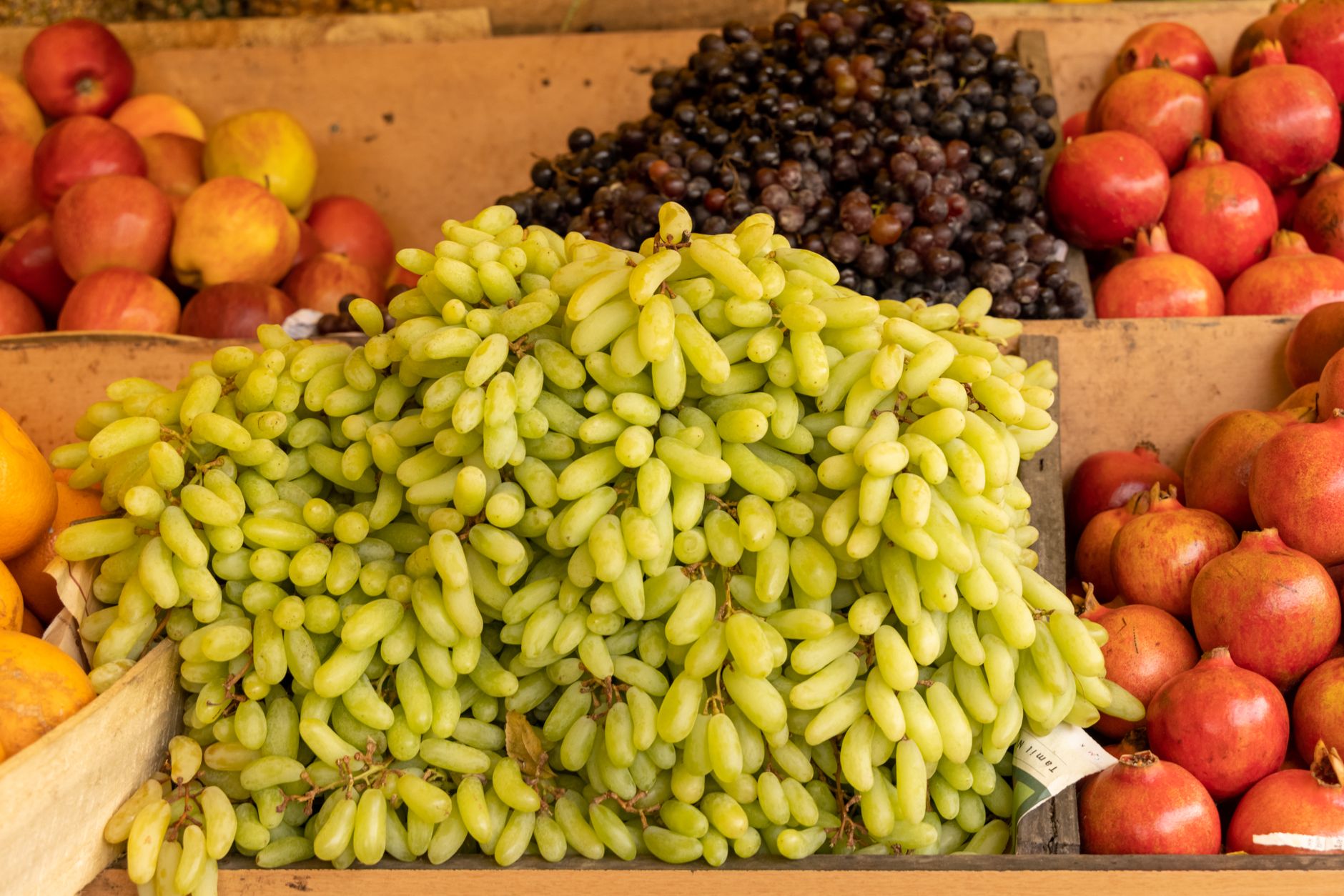
Understanding which fruits are in season can greatly enhance your culinary experiences and boost your health. Seasonal fruits are often fresher, more flavorful, and nutrient-dense compared to out-of-season options. This guide will help you discover which fruits are currently in season, along with their peak harvesting times, buying tips, and creative ways to enjoy them.
Eating seasonally not only supports local farmers but also promotes a more sustainable lifestyle. Let’s explore what’s in season right now and how you can incorporate these delicious fruits into your meals.
Which Fruits Are in Season Now?
In many regions, the seasonal fruits fluctuate according to climate and geographical location. However, typical seasonal fruit availability often revolves around warmer months. For this guide, we will focus on fruits commonly found in the United States, along with their seasonal peak periods.
1. Stone Fruits: The Summer Staples
Stone fruits, such as peaches, plums, cherries, apricots, and nectarines, are at their peak from late spring through late summer. These juicy, sweet fruits have a pit (or stone) in the center, which makes them popular for fresh eating, baking, and cooking.
Peak Season
Stone fruits generally peak from June to August, although exact timings can differ based on the specific fruit and regional climate.
Buying Tips
- Choose fruits that are slightly soft to the touch but not mushy.
- Look for vibrant colors that indicate ripeness. For example, peaches should have a golden hue and red blush.
- Check for fragrance; ripe stone fruits emit a sweet aroma.
Ways to Enjoy Stone Fruits
- Fresh: Slice them for a healthy snack or add them to salads.
- Baking: Use them in pies or tarts for a delightful dessert.
- Grilling: Grill halved stone fruits to caramelize their sugars and add a smoky flavor.
2. Berries: A Burst of Flavor
Berries such as strawberries, blueberries, raspberries, and blackberries are also available in abundance during the warmer months. These fruits are not only delicious but also packed with antioxidants and vitamins.
Peak Season
Most berries are at their peak between May and August, with strawberries being the first to ripen and blueberries following shortly after.
Buying Tips
- Look for firm, plump berries with a rich color.
- Avoid any containers with signs of mold or squished berries, as this indicates overripeness.
- Smell them – fresh berries should have a sweet scent.
Ways to Enjoy Berries
- Snacking: Enjoy them raw as a quick snack.
- Smoothies: Blend a variety for a refreshing drink.
- Preserving: Consider canning or homemade jams to savor their flavor all year.
3. Citrus Fruits: Bright and Zesty
Citrus fruits like oranges, lemons, limes, and grapefruits are typically in season during the cooler months, primarily from November to May. However, in some regions, you might find late-season varieties that overlap with summer.
Peak Season
Citrus fruits peak from late fall through early spring, but some varieties may extend into summer.
Buying Tips
- Choose heavy fruits with smooth, firm skin; this indicates juiciness.
- Avoid any with blemishes or soft spots.
- Look for bright, vibrant colors to ensure peak flavor.
Ways to Enjoy Citrus Fruits
- Juicing: Freshly squeezed citrus juice is refreshing and full of flavor.
- Salads: Add segments to salads for a zesty kick.
- Marinades: Use the juice as a base for flavorful marinades.
4. Melons: Hydration in Every Bite
Melons such as watermelon, cantaloupe, and honeydew are quintessential summer fruits, providing hydration and sweetness during the hot months.
Peak Season
Melons reach their prime from June to September, with watermelon typically being the star of summer gatherings.
Buying Tips
- A good watermelon should feel heavy for its size and have a uniform shape.
- Look for a creamy yellow spot on the melon, indicating it was ripened on the ground.
- When tapping, a hollow sound suggests ripeness.
Ways to Enjoy Melons
- Fresh: Serve chilled slices at picnics and barbecues.
- Salads: Combine with feta cheese and mint for a refreshing salad.
- Smoothies: Blend with other fruits and yogurt for a cool beverage.
5. Apples and Pears: Crisp and Versatile
Fall is typically considered the peak season for apples and pears; however, late varieties can be found in late summer. They are packed with fiber and make excellent additions to various dishes.
Peak Season
Apples and pears are usually in season from September through November, though some varieties can be enjoyed as early as August.
Buying Tips
- Choose firm fruits without any bruises or soft spots.
- Smell them; fresh apples and pears emit a sweet scent.
- Check the skin for vibrant colors, indicative of maturity.
Ways to Enjoy Apples and Pears
- Snacking: Enjoy them fresh or sliced with nut butter.
- Baking: Use them in pies, crisps, or cakes.
- Salads: Incorporate them into salads for a crunchy texture.
6. Grapes: Sweet Bunches
Fresh grapes are a delightful snack, perfect for any season, but they typically peak in late summer and early fall. Their versatility makes them suitable for eating raw, cooking, or as a wine base.
Peak Season
Grapes are generally in season from August to October.
Buying Tips
- Look for plump grapes that are firmly attached to the stem.
- Avoid any that have a dull appearance or signs of wrinkling.
- Do not wash grapes until you are ready to eat them, as moisture can lead to mold.
Ways to Enjoy Grapes
- Raw: Eat them as a quick snack or freeze for a refreshing treat.
- Salads: Add to green salads for a sweet twist.
- Preserving: Make homemade grape jelly or canned grapes.
Your Seasonal Fruit Buying Strategy
To enjoy the best fruits available, consider creating a seasonal buying strategy. Here are some tips:
Make a Seasonal Calendar
Create a calendar that highlights the peak months for different fruits in your region. This insight will help you stay organized and utilize fresh fruits in your shopping lists.
Shopping at Local Farmers’ Markets
Farmers’ markets are often the best place to find seasonal, local produce. Here, you can support local farmers while enjoying fresher options that haven’t traveled long distances.
Grow Your Own
If you have space, consider growing your own fruits! This can be a gratifying endeavor that ensures you have fresh seasonal fruits right in your backyard.
Storage and Preservation of Seasonal Fruits
Knowing how to store seasonal fruits helps extend their shelf life and maintain their flavor and texture. Here are some guidelines:
1. Stone Fruits
Ripen stone fruits at room temperature. Once ripe, store them in the refrigerator for up to five days. You can also freeze them for long-term storage.
2. Berries
Store berries in the refrigerator in their original container until you’re ready to eat. Do not wash them until just before consumption. They can also be frozen for future use.
3. Citrus Fruits
Citrus fruits can be stored in the fridge for up to two weeks. For long-term storage, consider juicing them and freezing the juice in an ice cube tray.
4. Melons
Uncut melons can be stored on the countertop. Once cut, wrap them in plastic wrap and refrigerate for up to five days.
5. Apples and Pears
Store apples and pears in a cool, dark place or in the fridge. They can last up to a month when refrigerated.
6. Grapes
Refrigerate grapes in their container, unharmed, for optimal freshness. Grapes can last up to one week in the fridge.
Preserving Seasonal Fruits for Later Use
There are many ways to preserve seasonal fruits, allowing you to enjoy their flavors throughout the year. Below are a few common preservation techniques:
Canning Fruits
Canning fruits in jars is a method that seals fruits for long-term storage. Be sure to follow safe canning practices and use tested recipes to ensure safety.
Freezing Fruits
Freeze fruits by washing, peeling, and cutting them into pieces. Lay them flat on a baking sheet to freeze, then transfer to freezer bags to save space.
Making Jams and Jellies
Jams are a fantastic way to capture summer flavors. They can be made with most fruits and are perfect for spreading on toast or adding sweetness to recipes.
Recipes Highlighting Seasonal Fruits
Incorporating seasonal fruits into your meals can transform simple dishes into extraordinary ones. Here are a couple of ideas:
Stone Fruit Salad
This vibrant salad features a mix of stone fruits, nuts, and dressing that enhances their natural sweetness.
- Ingredients: peaches, plums, apricots, mixed greens, nuts, balsamic vinaigrette.
- Method: Slice the fruits and toss with mixed greens and nuts. Drizzle with dressing just before serving.
Berry Smoothie Bowl
Blend your choice of berries with yogurt and top with granola for a refreshing breakfast.
- Ingredients: mixed berries, yogurt, honey, granola, chia seeds.
- Method: Blend berries and yogurt, pour into a bowl, and top with granola and seeds.
Conclusion
By focusing on seasonal fruits, you not only enjoy tastier options, but you also engage in sustainable eating practices. The variety of options available at different times of the year ensures that your meals can be exciting and healthy.
As you incorporate these fruits into your diet, remember to explore recipes that celebrate their unique flavors, such as those in our canned peaches recipe or candy grapes recipe. Happy cooking!