
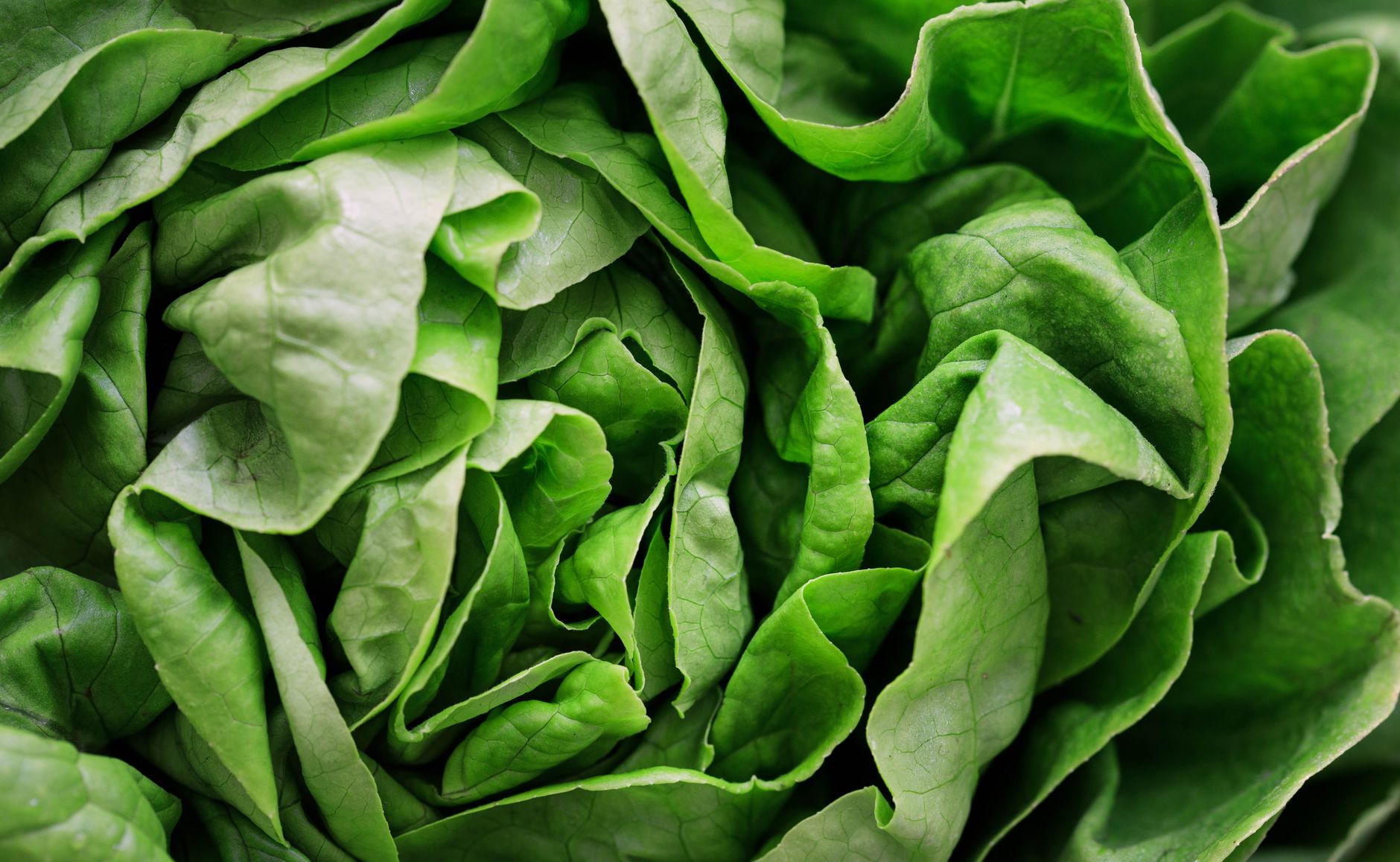
Salads are a popular choice for a healthy meal, loaded with fresh vegetables, fruits, and other nutritious ingredients. However, the safety of consuming salad has come into question due to reports of foodborne illnesses linked to leafy greens. This article explores whether salads are safe to eat and offers tips on preparation, serving, and food safety.
From understanding foodborne pathogens to proper washing techniques and storage methods, we’ll cover everything you need to know to enjoy your salads without worry.
Is Salad Safe to Eat?
Yes, salad can be safe to eat, but it requires careful handling and preparation. The key factors affecting salad safety include the origin of the produce, how it is washed, and the storage methods used. By following proper food safety guidelines, you can minimize the risk of contamination.
Understanding Food Safety Concerns with Salad
Salads can sometimes harbor harmful bacteria, such as E. coli, Salmonella, and Listeria. These pathogens can contaminate fresh produce in various ways, including:
- Improper handling by farm workers.
- Contaminated water used for irrigation.
- Cross-contamination during transportation and storage.
To ensure that your salads are safe to eat, it’s important to be aware of these risks and take steps to mitigate them.
Types of Produce with Higher Risks
Some salad ingredients are more susceptible to contamination than others. Leafy greens, such as romaine lettuce, spinach, and arugula, often top the list. This is largely due to their growing conditions and the way they are harvested and processed. Other high-risk salad ingredients include:
- Herbs (basil, cilantro, parsley)
- Tomatoes
- Cucumbers
- Sprouts
Tips for Safe Salad Preparation
Following safety protocols during preparation is crucial to prevent foodborne illnesses. Here are some essential tips to keep your salads safe:
1. Wash Your Hands
Before handling any food, always wash your hands with soap and warm water for at least 20 seconds. This helps eliminate bacteria and viruses that may be on your hands.
2. Clean Your Produce
Even if you plan to peel your fruits and vegetables, washing them is vital. Use clean, running water to rinse all produce. You can use a vegetable brush for firmer fruits and vegetables.
3. Use a Salad Spinner or Clean Towel
After washing, using a salad spinner can help remove excess water from greens, which is essential as moisture can promote bacterial growth. If you don’t have one, gently pat the greens dry with a clean towel.
4. Prepare in a Clean Environment
Ensure that your cutting boards, knives, and countertops are clean before preparing salad ingredients. Disinfect after using raw meats before using the same surface for salads to prevent cross-contamination.
5. Store Ingredients Properly
Keep your salad ingredients refrigerated until you’re ready to use them. Storing vegetables and fruits at a temperature below 40°F (4°C) helps slow bacterial growth.
Serving Safe Salads
How you serve your salad matters as well. Follow these guidelines to maintain safe eating practices:
1. Serve Immediately
Once your salad is prepared, serve it right away. Prolonged sitting at room temperature can cause harmful bacteria to grow, especially during warmer months.
2. Avoid Buffets
While salad bars and buffets are convenient, they can pose higher risks for contamination since numerous people handle the ingredients. If you do choose to eat from one, use tongs to avoid direct contact with your food.
3. Temperature Matters
Keep salads chilled until they are served. Use ice packs or bowls filled with ice if you need to transport salads to a picnic or potluck.
4. Be Cautious with Dressings
Dressings, especially creamy ones, can become a breeding ground for bacteria if left out. Always store dressings in the refrigerator and add them just before serving.
Storage Tips for Leftover Salad
If you have leftover salad, proper storage becomes crucial for food safety. Here’s how to do it right:
1. Use Airtight Containers
Store your salad in airtight containers to keep it fresh and reduce exposure to bacteria. This also helps prevent contamination from other foods in the refrigerator.
2. Separate Components
If possible, store salad components separately. Keep dressings in a different container to avoid soggy greens. This keeps your salad fresher for longer.
3. Consume Promptly
Leftover salads should ideally be eaten within 1-2 days. Check the appearance, smell, and texture before consuming, and if anything seems off, it’s best to discard it.
Common Mistakes to Avoid with Salads
Preventing foodborne illness with salads involves avoiding common pitfalls. Here are some mistakes to watch out for:
1. Skipping the Wash
Failing to wash produce can lead to ingesting harmful pathogens. Always wash your greens and vegetables regardless of whether they are labeled “pre-washed” or “ready to eat.”
2. Mixing Old Ingredients
Combine fresh ingredients with older ones at your own risk. If certain components show signs of spoilage or wilting, throw them out instead of mixing them into the salad.
3. Overcrowding Ingredients
When preparing a salad, too many ingredients can lead to uneven distribution of toppings and dressings. This can also let bacteria thrive in hidden layers. Keep the salad ingredients balanced.
What to Do if You Experience Symptoms of Illness
If you or someone you know experiences symptoms of foodborne illness, such as nausea, vomiting, diarrhea, or stomach cramps after eating a salad, consider the following steps:
1. Identify Symptoms
Symptoms can arise anywhere from a few hours to several days after consuming contaminated food. Keep track of when the symptoms started and the foods eaten before that.
2. Seek Medical Attention
If symptoms are severe, especially dehydration or ongoing vomiting, seek medical assistance promptly. Always inform the healthcare provider about the recent meals consumed.
3. Report the Incident
If you believe your illness is linked to a specific restaurant or food product, report it to your local health department. This can help prevent future outbreaks.
Cooking and Serving Salad Under Dietary Restrictions
Those with specific dietary restrictions should also consider safety when preparing salads:
1. Consider Allergies
Some individuals may have allergies to certain salad components, like nuts, dairy, or specific vegetables. Always double-check ingredient labels and be cautious when dining out.
2. Vegan and Gluten-Free Options
When preparing salads for those with special dietary needs, verify that all ingredients comply with the required standards for vegan or gluten-free diets.
3. Avoid Potential Cross-Contamination
Keep allergenic ingredients separate from others during preparation to avoid cross-contamination, especially when using the same utensils or cutting boards.
Conclusion
Salads can be enjoyed safely when proper food safety practices are followed. Washing your produce, maintaining hygiene, and storing correctly will greatly reduce the risk of foodborne illness. With this knowledge in hand, you can confidently prepare and enjoy your favorite salads.
For delicious salad recipes, explore our La Scala Salad Recipe or Ramen Salad Recipe for vibrant and flavorful options. Enjoy your healthy eating journey!