
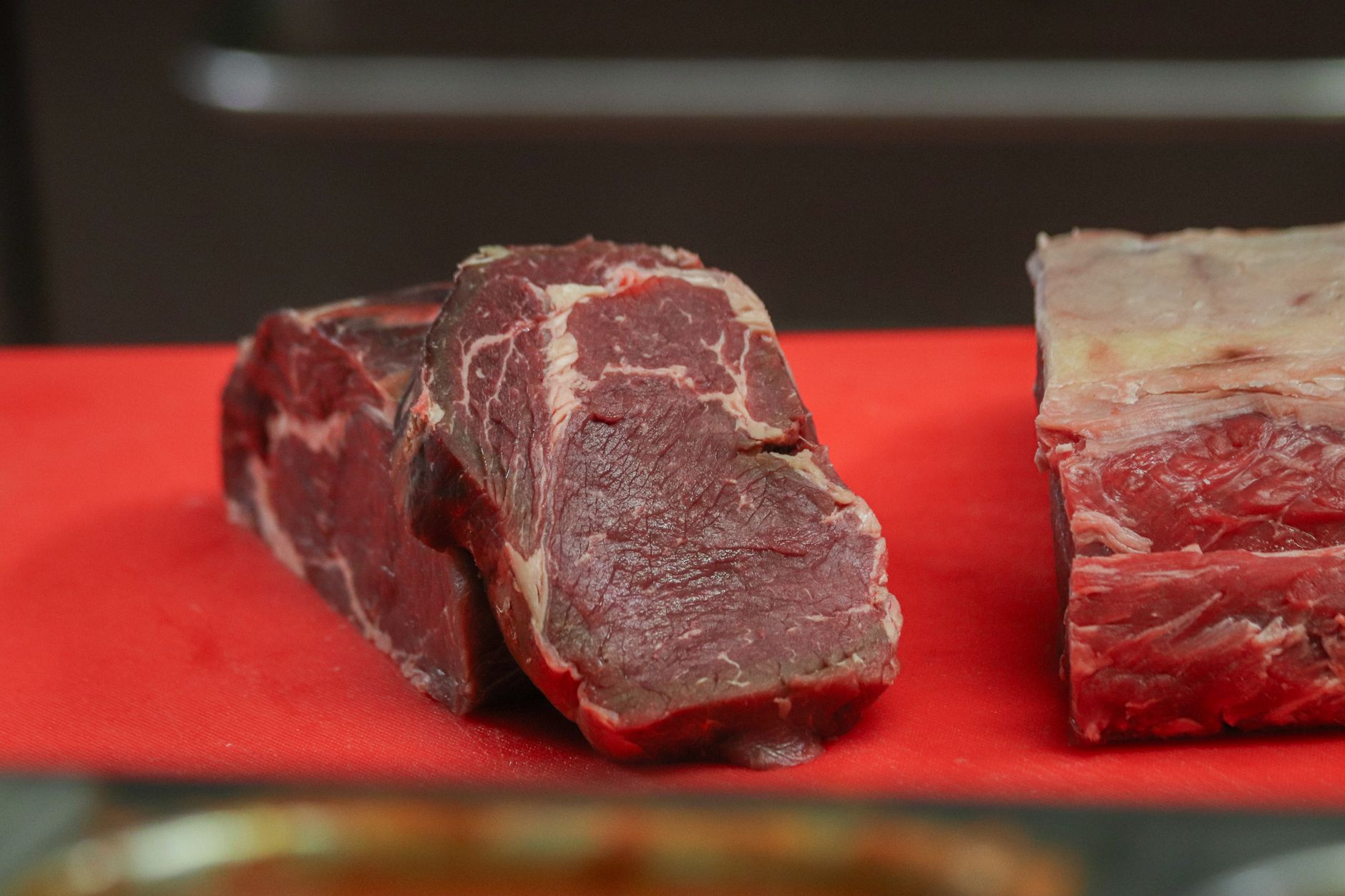
When we refer to “beef,” we are specifically talking about the meat derived from cattle, most commonly domestic cows. This meat is a popular protein choice around the world, known for its rich flavor and versatility in a range of dishes.
Beef can be prepared in countless ways, from grilling steaks and roasting ribs to simmering hearty stews. In this article, we will explore what beef is, its uses, flavor profiles, different cuts, cooking techniques, and serving ideas.
What Animal Is Beef?
Beef is the culinary term for meat that comes from cattle, particularly from adult bovines, which include various breeds such as Angus, Hereford, and Holstein. In addition to steaks, roasts, and ground beef, this protein source is also rich in vitamins and minerals, making it a staple in many diets.
Understanding Beef: Cuts and Grades
Different cuts of beef come from various parts of the animal and have unique flavors and textures. Understanding these cuts can help you make informed choices when cooking or ordering at a restaurant.
Common Cuts of Beef
- Chuck: This cut comes from the shoulder and is often used for pot roast or ground beef. It has a rich flavor and good marbling.
- Rib: Known for its tenderness and flavor, rib cuts include ribeye steaks and prime rib. These cuts are higher in fat content.
- Brisket: This cut is taken from the breast and is popular for slow cooking or barbecuing, resulting in tender, flavorful meat.
- Round: This lean cut comes from the rear leg and is often used for roasting or making fajitas.
- Filet Mignon: This high-end cut is taken from the tenderloin and is known for its buttery texture and tenderness, making it perfect for special occasions.
- Flank: This cut is taken from the side of the animal and is great for marinating and grilling, commonly used in dishes such as fajitas.
- Shank: This cut is taken from the legs and is best for slow cooking, yielding flavorful and tender results in soups and stews.
Beef Grades
Beef is also graded based on quality, which is determined by factors such as marbling, color, and texture. The three primary quality grades are:
- Prime: The highest grade, prime beef has abundant marbling and tenderness, ideal for grilling and roasting.
- Choice: Slightly lower in quality than prime, choice beef is still tender and flavorful and is commonly found in grocery stores.
- Select: This grade is leaner with less marbling, though it can still be flavorful, typically used for slow cooking or braising.
Flavor Profiles and Cooking Techniques
The flavor of beef can vary widely depending on the cut and cooking technique used. Understanding how to properly prepare each cut will enhance the overall taste of your meals.
Cooking Techniques
- Grilling: Perfect for steaks and burgers, grilling imparts a smoky flavor and creates a delicious crust.
- Roasting: Ideal for larger cuts, roasting allows for even cooking and is often combined with seasonings for flavor.
- Braising: A slow-cooking method that involves searing the meat and then cooking it in liquid, ideal for tougher cuts like chuck or brisket.
- Stir-frying: Best for thinly sliced cuts such as flank or sirloin, this quick cooking method retains tenderness while allowing for various flavor combinations.
- Smoking: A low-temperature technique that infuses beef with rich flavors, commonly used with brisket and ribs.
Flavor Combinations
When cooking beef, consider pairing it with complementary flavors:
- Herbs: Fresh rosemary, thyme, and parsley enhance beef’s natural flavor.
- Spices: Paprika, garlic powder, and black pepper add depth to beef dishes.
- Acidity: Marinades with vinegar or citrus help to tenderize the meat and add brightness.
Serving Ideas for Beef Dishes
Once you’ve cooked your beef, consider how to serve it to maximize enjoyment. Here are some ideas for various meal occasions.
Casual Meals
- Burgers: Serve with a variety of toppings like cheese, lettuce, tomato, and pickles on a toasted bun.
- Steak Fajitas: Thinly sliced beef with sautéed peppers and onions, served with tortillas and fresh guacamole.
Formal Dinners
- Filet Mignon: Serve with a red wine reduction sauce and roasted vegetables for an elegant dish.
- Beef Wellington: A show-stopping dish made with a tenderloin coated in mushroom duxelles and wrapped in pastry.
Comfort Foods
- Beef Stew: A hearty dish featuring chunks of beef simmered with potatoes, carrots, and savory broth.
- Meatballs: Combine ground beef with breadcrumbs, herbs, and spices, then bake or fry and serve with pasta and tomato sauce.
Practical Cooking Tips
Cooking beef can sometimes be challenging, but following these tips can improve your results.
- Let it Rest: Allow cooked beef to rest before slicing to retain juices and enhance tenderness.
- Use a Meat Thermometer: Ensure beef reaches a safe internal temperature (145°F for steaks and roasts) before serving.
- Adjust Cooking Times: Different cuts require different cooking times—tender cuts cook quickly, while tougher cuts benefit from longer cooking.
Common Mistakes to Avoid
- Overcooking: This can lead to dry beef. Always check for doneness with a meat thermometer.
- Skipping Marinades: Marinating tougher cuts can significantly improve tenderness and flavor.
- Not Trimming Fat: Excess fat can make dishes greasy; trim as needed based on the cut you are using.
Storing and Reheating Beef
Properly storing and reheating beef is essential for maintaining flavor and food safety.
Storage Guidelines
Store fresh beef in the refrigerator, keeping it tightly wrapped to prevent contamination. Use it within 3-5 days, or freeze it for longer storage.
Reheating Tips
When reheating, do so gently to avoid drying out the meat. Consider the following:
- Oven: Reheat at a low temperature (about 250°F) until warmed through.
- Stovetop: Use a skillet with a little water or broth to steam the beef gently.
- Microwave: Use a lower setting and cover to keep moisture while reheating, but be cautious as microwaves can easily dry out beef.
Beef in Global Cuisines
Beef plays a vital role in many culinary traditions worldwide, with each culture offering unique dishes and flavors. Here are a few notable examples:
Latin American Cuisine
- Asado: A traditional Argentine barbecue featuring various cuts of beef cooked over an open flame.
- Carne Asada: Grilled beef flank or skirt steak, popular in Mexico, typically served with salsas and tortillas.
Asian Cuisine
- Bulgogi: A Korean dish made from marinated beef grilled or stir-fried, served with rice and side dishes.
- Beef Noodles: Popular in Vietnamese pho, thinly sliced beef is served in a savory broth with rice noodles.
European Cuisine
- Beef Stroganoff: A Russian dish of sautéed beef in a creamy sauce, served over egg noodles or rice.
- Beef Bourguignon: A classic French stew made with red wine, beef, vegetables, and herbs.
Conclusion
Beef offers a wide range of flavors, cuts, and preparation methods, making it a versatile protein in many kitchens. Whether you’re preparing a casual burger or a sophisticated filet mignon, understanding the nuances of beef can elevate your cooking.
For further reading, check out how long ground beef is good for in the fridge or explore our beef stew seasoning recipe for making hearty beef stews. Try different preparations and discover your favorite ways to incorporate this delicious meat into your meals.