
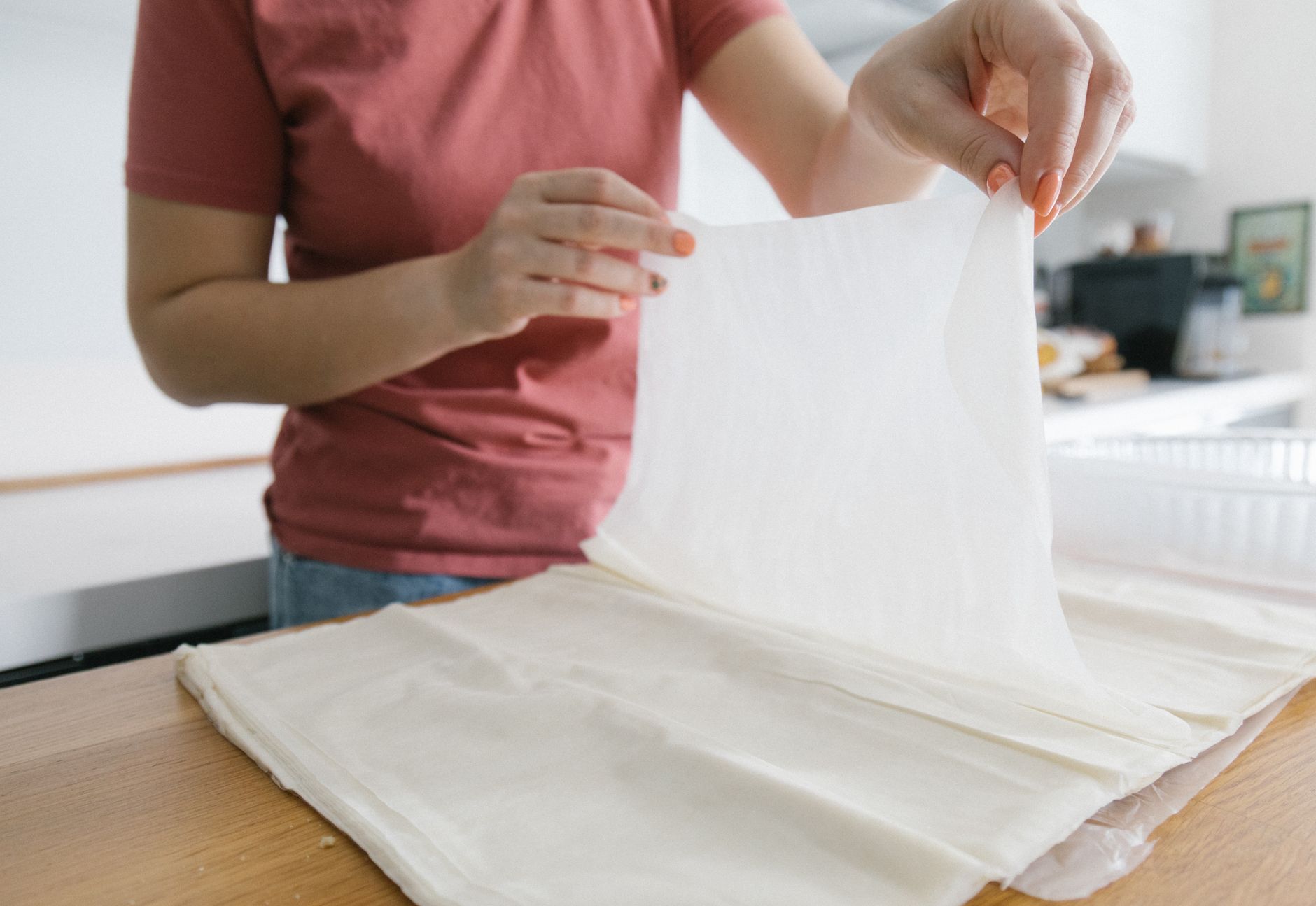
Phyllo dough is a versatile pastry made of thin layers, traditionally used in various cuisines, particularly in Mediterranean and Middle Eastern dishes. Its unique texture allows for flaky, crispy creations that can be sweet or savory.
Understanding phyllo dough, its culinary uses, and preparation techniques can elevate your baking and cooking experience. In this article, we will delve into its ingredients, taste, culinary applications, and how to work with it effectively.
What Is Phyllo Dough?
Phyllo dough, sometimes spelled “filo,” is a paper-thin pastry used primarily in layer-based pastries. Its name derives from the Greek word “phyllon,” meaning “leaf,” which aptly describes the dough’s delicate, layered appearance. Its origins trace back to the Byzantine Empire, where it was used in a variety of dishes.
This pastry is typically made from a simple dough consisting of flour, water, and a small amount of oil or vinegar, which contributes to its flexibility. Each sheet of phyllo dough is incredibly thin, and when stacked and baked, it creates a light and crispy texture, making it ideal for dishes both rich and light.
Ingredients of Phyllo Dough
The ingredients for phyllo dough are straightforward and minimal, making it accessible to both home cooks and professional bakers. The primary components include:
- All-purpose flour: The foundation of the dough, providing structure.
- Water: Hydrates the flour, allowing the gluten to develop.
- Vegetable oil or melted butter: Enhances flavor and contributes to the dough’s pliability and texture.
- Vinegar or lemon juice: Aids in gluten development, resulting in a more tender final product.
- Salt: Adds flavor to the dough.
Some recipes may include additional ingredients or variations, such as whole wheat flour, but the basic components remain consistent. This simplicity allows for endless creativity in the kitchen.
Taste and Texture of Phyllo Dough
Phyllo dough itself has a very mild flavor, allowing it to blend seamlessly into both sweet and savory dishes. Its main role is to provide a delicate, crispy texture rather than dominate the flavor profile of a dish. When baked, the layers of phyllo become wonderfully flaky and crispy, providing a delightful contrast to rich filling.
When combined with fillings, phyllo can take on various flavors, whether sweetened with honey and nuts or seasoned with herbs and cheese. The textural element it adds enhances the overall eating experience, making them particularly satisfying.
Culinary Uses of Phyllo Dough
Phyllo dough is incredibly versatile, with a range of culinary applications. Some popular uses include:
1. Savory Pastries
One of the most recognized uses for phyllo is in savory pastries such as:
- Börek: A traditional Turkish pastry often filled with cheese, spinach, or minced meat.
- Spinach and Feta Pie: A Greek dish known as spanakopita, pairing spinach with salty feta cheese.
- Meat Pies: Phyllo can encase meats, vegetables, or lentils, offering a crunchy exterior to rich fillings.
2. Sweet Treats
Phyllo is equally popular in the realm of desserts. Some renowned examples include:
- Baklava: A well-loved dessert of layered phyllo filled with nuts and sweetened with syrup or honey.
- Fruit Strudels: Often filled with apples, cherries, or other fruits, providing a light, flaky exterior.
- Galaktoboureko: A Greek custard dessert wrapped in phyllo and drizzled with syrup.
3. Snacks and Appetizers
Phyllo dough can be transformed into crispy snacks, such as:
- Phyllo Cups: Small, baked cups made from phyllo perfect for holding dips or spreads.
- Stuffed Phyllo Rolls: Wrapped around various fillings such as cheeses or vegetables, then baked until golden.
Working with Phyllo Dough
While phyllo dough is a delightful ingredient to work with, it does require some care and attention. Here are some tips for ensuring the best results when using phyllo:
1. Thawing
If using frozen phyllo dough, it’s essential to thaw it properly. Do this in the refrigerator for several hours or overnight. Alternatively, you can leave it at room temperature for about 30 minutes. However, never leave it unwrapped for too long, as it can dry out and become brittle.
2. Handling
Phyllo is delicate and can tear easily. Always handle it gently and keep the sheets covered with a damp cloth while you work to prevent them from drying out. If a sheet tears, don’t worry; just layer it with another sheet.
3. Layering
For optimal crispiness, layer several sheets of phyllo together, brushing each layer lightly with melted butter or oil. Generally, 5-7 layers are recommended for a sturdy base, while fewer layers are suitable for lighter toppings or desserts.
4. Baking
Phyllo should be baked at a higher temperature (around 375°F to 400°F) to achieve that coveted flakiness. Keep a close watch, as it can brown quickly. Look for that golden hue and a crisp texture as indicators of doneness.
Common Mistakes and Troubleshooting
When working with phyllo dough, it’s easy to make mistakes. Here are some common pitfalls and how to avoid them:
1. Dry and Brittle Dough
If phyllo dough becomes dry and brittle, it is often due to prolonged exposure to air. Always keep the sheets covered with a damp cloth or plastic wrap while working. If you occasionally notice dry edges, spritz them with a little water and quickly cover again.
2. Soggy Bottoms
One common issue is sogginess if the filling has too much moisture or if the bottom layers aren’t properly crisped. To counteract this, pre-bake the phyllo base slightly before adding a wet filling, or make sure to use less moisture overall.
3. Tearing the Sheets
While phyllo can tear easily, you can work around this. Use your hands to gently lift the sheets, and if they do tear, simply patch them with another piece. The layers will still yield a delicious texture even with imperfections.
Storage and Reheating of Phyllo Dishes
Storing prepared phyllo dishes can be tricky. Here are guidelines on how to store and reheat them:
1. Storage
Uncooked phyllo dough can be stored in the refrigerator for a few days or in the freezer for several months. Ensure it is tightly wrapped to prevent drying out. For baked dishes, store them in an airtight container in the refrigerator for 1-2 days.
2. Reheating
When reheating baked phyllo dishes, the goal is to restore crispness. Preheat the oven to 350°F and place the dish in for about 10-15 minutes. Avoid microwaving as it can produce a soggy texture.
Substitutions for Phyllo Dough
This pastry is unique, but sometimes you might need to find alternatives. Here are a few substitutes:
1. Puff Pastry
Puff pastry is a common substitute, offering a flaky texture similar to phyllo but can be richer due to more butter content. It can be used in similar dishes but results might be a bit heavier.
2. Homemade Phyllo Dough
If you’re feeling adventurous, you can make your own phyllo dough at home, using similar ingredients. This can be time-consuming but allows for greater customization.
3. Tortillas or Wraps
For savory dishes needing a crisp crust, thin tortillas or wraps can also work, though the flavor will be different, and texture won’t be as flaky.
Conclusion
Phyllo dough is a phenomenal ingredient that opens up a world of culinary possibilities. Its delicate layers can create breathtaking dishes that balance crunch and flavor beautifully. Whether you’re making classic baklava or a creative savory pie, mastering phyllo can elevate your cooking. Explore its versatility; perhaps start with a traditional recipe or experiment with your own creations.
For additional inspiration in cooking, check out our recipes for apple puff pastry and a delicious Philly cheesesteak casserole. Expand your culinary horizons and have fun!