
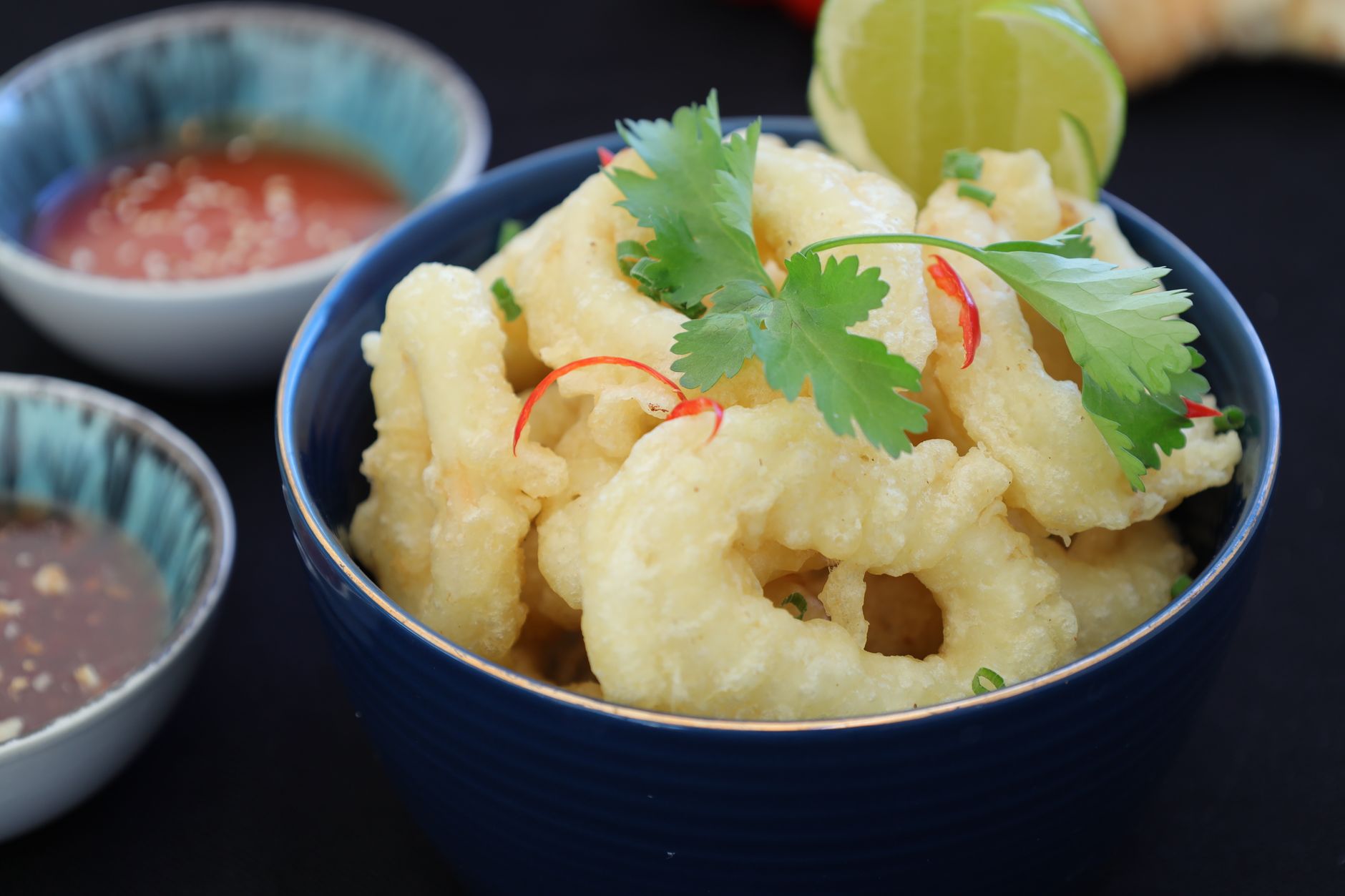
Pregnancy often comes with a long list of dietary considerations for expecting mothers. Many women find themselves questioning the foods they used to enjoy, wondering which are safe and which to avoid. One such food that frequently comes up in discussions is calamari, or squid.
This article will explore whether calamari is safe to consume during pregnancy, what potential benefits and risks this seafood may provide, and offer guidance on how to safely prepare and enjoy calamari if you choose to include it in your diet.
Is Calamari Safe During Pregnancy?
Yes, calamari can be safe to eat during pregnancy, provided it is cooked properly. Pregnant women should avoid raw or undercooked seafood due to the risk of foodborne illnesses, which can be particularly harmful during pregnancy.
When preparing calamari, it’s essential to ensure it is cooked to the appropriate temperature, which not only enhances its taste and texture but also reduces potential health risks. Let’s explore what pregnant women need to know about this popular seafood dish.
Understanding Calamari and Its Nutritional Profile
Calamari typically refers to squid, a type of mollusk that is enjoyed in various cuisines worldwide. The flavor profile of calamari is mild, and its texture is often described as slightly chewy when perfectly prepared. Nutritionally, calamari is low in calories and a good source of several essential nutrients, making it a valuable protein option.
Here is a general breakdown of the nutritional benefits of calamari:
- Rich in protein: Calamari is a great source of high-quality protein, which is essential for the development of the fetus.
- Low in calories: It’s a lean protein option, which can help control weight gain during pregnancy.
- Contains essential vitamins and minerals: Calamari is a good source of vitamin B12, which is important for red blood cell formation and neurological function. It also provides zinc, selenium, and iron, crucial for maintaining a healthy pregnancy.
- Omega-3 fatty acids: While not as rich as other seafood, calamari still contains omega-3 fatty acids, which are beneficial for brain development in the fetus.
Potential Risks of Consuming Calamari During Pregnancy
Despite its benefits, there are some risks associated with consuming calamari during pregnancy, which is important to consider. Understanding these risks can help you make informed decisions about your dietary choices.
Foodborne Illnesses
Pregnant women are more susceptible to certain foodborne illnesses, such as Listeria monocytogenes and Toxoplasma gondii, which can be found in undercooked seafood. Consuming calamari that is raw or not thoroughly cooked can put you at risk for these infections, which may have serious consequences for both the mother and baby.
Allergies
Seafood allergies are not uncommon. If you are not sure whether you have a seafood allergy, it may be best to avoid calamari until you can consult with a healthcare professional.
Heavy Metals and Environmental Contaminants
Like many other types of seafood, calamari can contain heavy metals like mercury, which can be harmful if consumed in excess during pregnancy. Though calamari generally has lower mercury levels than larger fish such as swordfish, it is still wise to consume it in moderation. It’s also advisable to source calamari from reputable suppliers that practice sustainable fishing.
How to Prepare Calamari Safely During Pregnancy
If you’ve decided to include calamari in your pregnancy diet, it’s essential to prepare it safely to minimize health risks. Here are some straightforward tips for preparing calamari:
Selecting Quality Calamari
When purchasing calamari, look for fresh specimens with a mild scent of the sea. Fresh calamari should have a firm texture and should not be slimy. If buying frozen calamari, ensure it’s from a reputable source and has been stored properly. Pay attention to the sell-by and use-by dates.
Cooking Techniques
Cooking calamari can be done in several ways, including grilling, frying, sautéing, or baking. Here’s a simple guideline for cooking calamari safely:
- Grilled Calamari: Marinate fresh calamari with olive oil, lemon juice, and herbs. Grill it over medium heat for about 2-3 minutes on each side, or until it is opaque and has grill marks.
- Fried Calamari: Dredge sliced calamari in flour, dip in egg, and fry until golden brown, about 2-3 minutes. Ensure the oil is at least 375°F (190°C) for proper cooking.
- Sautéed Calamari: Quickly sauté calamari with garlic, olive oil, and vegetables over high heat for 1-2 minutes until it firms up and becomes opaque.
- Baked Calamari: Coat the calamari in bread crumbs and bake in a preheated oven at 375°F (190°C) for about 10-12 minutes until crispy.
Using a Food Thermometer
Using a food thermometer can help ensure that calamari reaches a safe minimum internal temperature of 145°F (63°C). This guarantees it has been cooked adequately to eliminate harmful bacteria.
Calamari Recipes Safe for Pregnancy
Here are a couple of easy calamari recipes that you can safely enjoy during your pregnancy.
Grilled Lemon Garlic Calamari
This dish is light, flavorful, and a great option for a healthy meal.
Yield: 4 servings
Preparation Time: 15 minutes
Cooking Time: 6-8 minutes
Total Time: 25 minutes
Ingredients:
- 1 lb fresh calamari, cleaned and cut into rings
- 3 tablespoons olive oil
- 2 cloves garlic, minced
- Juice and zest of 1 lemon
- Salt and pepper, to taste
- Fresh parsley, chopped for garnish
Method:
- In a bowl, combine olive oil, minced garlic, lemon juice, lemon zest, salt, and pepper.
- Add calamari to the marinade and toss to coat. Let it marinate for about 10 minutes.
- Preheat the grill to medium-high heat. Skewer the calamari to prevent it from slipping through the grill.
- Grill calamari for about 2-3 minutes on each side until opaque and slightly charred.
- Garnish with fresh parsley and serve with additional lemon wedges if desired.
Baked Crusted Calamari
A delicious alternative to frying, this baked version is crispy and satisfying.
Yield: 4 servings
Preparation Time: 20 minutes
Cooking Time: 15 minutes
Total Time: 35 minutes
Ingredients:
- 1 lb fresh calamari, cleaned and cut into rings
- 1 cup breadcrumbs
- 1/2 cup grated Parmesan cheese
- 1 teaspoon garlic powder
- 1 teaspoon paprika
- Salt and pepper, to taste
- 2 large eggs, beaten
- Olive oil spray
Method:
- Preheat oven to 400°F (200°C) and line a baking sheet with parchment paper.
- In a bowl, combine breadcrumbs, Parmesan, garlic powder, paprika, salt, and pepper.
- Dip calamari rings in the beaten egg first, then coat with the breadcrumb mixture.
- Place coated calamari on the baking sheet and lightly spray with olive oil.
- Bake for 12-15 minutes or until golden brown and crispy, flipping halfway through for even cooking.
Common Mistakes and Troubleshooting
When preparing calamari, there are a few common pitfalls to avoid:
- Overcooking: Calamari can become rubbery if overcooked. Aim for quick cooking methods and monitor closely for doneness.
- Not cleaning properly: Always ensure calamari is cleaned thoroughly before cooking. Rinse well under cold water.
- Underseasoning: Seafood benefits from seasoning, so don’t forget to add spices or marinades to boost the flavor.
Storage and Reheating Guidelines
If you have prepared more calamari than you can eat in one sitting, storage and reheating techniques are vital:
- Store any leftovers in an airtight container in the refrigerator for up to 3 days.
- To reheat, avoid the microwave as it tends to make calamari rubbery. Instead, reheat in a preheated oven at 350°F (175°C) for about 10 minutes, or until heated throughout.
- Avoid refreezing previously cooked calamari, as it can affect the texture and taste.
Conclusion
Calamari can be a tasty and nutritious part of a pregnancy diet when prepared correctly. The important thing to remember is to cook it thoroughly, ensuring it reaches a safe temperature to minimize any food safety risks.
As you continue to explore your culinary options during pregnancy, consider incorporating recipes that showcase nutrient-rich foods. Trying dishes like grilled or baked calamari can add variety to your meals while also providing vital nutrients crucial for both you and your growing baby.
If you’re interested in exploring more about healthy pregnancy meals, consider looking into other recipes that prioritize nutrition and flavor, or check out practical cooking tips to help ease your time in the kitchen.