
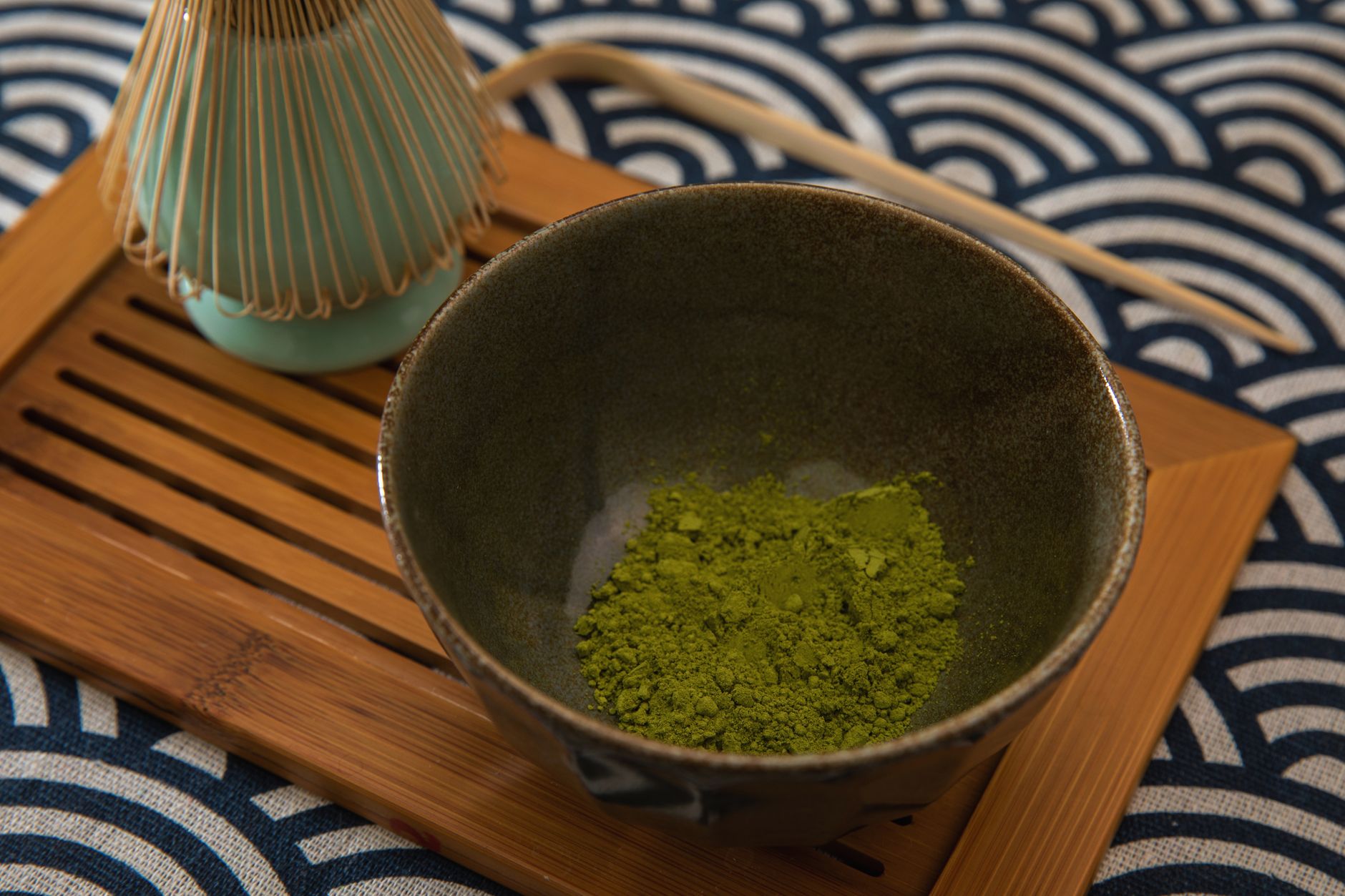
Matcha has gained a devoted following due to its distinct flavor, vibrant green color, and potential health benefits. As with any food product, a common question arises: does matcha expire? Understanding matcha’s shelf life, proper storage practices, and signs of spoilage is essential for ensuring flavor and quality when you brew your next cup or whip up a matcha dessert.
In this article, we will explore all aspects of matcha’s longevity: from its shelf life to the optimal conditions for storage, along with how to spot signs of spoilage. Whether you’re a long-time matcha enthusiast or a newcomer, you’ll find the information helpful in maintaining this ingredient’s premium quality.
Does Matcha Expire?
Yes, matcha can expire, though it does not spoil in the same way some perishable foods do. Unopened and properly stored matcha maintains its quality for a longer period, but exposure to air, light, and moisture can lead to degradation. Depending on the quality and storage, matcha usually retains optimal flavor and freshness for about six months to one year.
Understanding Matcha Quality
To make informed decisions about expiration and shelf life, let’s first understand the different grades of matcha. High-quality matcha, often used in Japanese tea ceremonies, is vibrant and smooth. Conversely, culinary matcha, though of lower grade, is suitable for baking and cooking due to its robust flavor.
Grades of Matcha
- Ceremonial Grade: Best for traditional matcha tea drinking; offers the richest flavor and color.
- Premium Grade: Suitable for tea and culinary use, though slightly more bitter than ceremonial grade.
- Culinary Grade: Ideal for cooking and baking; often lower in quality but full of flavor for recipes.
Shelf Life of Matcha
The shelf life of matcha can vary based on its quality and storage conditions. Here’s a breakdown based on different factors:
Unopened Matcha
When sealed in an airtight container in a cool, dark place, unopened matcha can last:
- Ceremonial Grade: Up to 1 year
- Premium Grade: 6 to 12 months
- Culinary Grade: 1 year or more
Opened Matcha
Once opened, matcha should be used more promptly to enjoy its full flavor and benefits. The general guidance for opened matcha is:
- Ceremonial Grade: 2 to 3 months
- Premium Grade: 1 to 2 months
- Culinary Grade: 3 to 6 months
Storage Tips for Matcha
To help extend the shelf life of your matcha and keep it as fresh as possible, consider these storage tips:
Keep It Sealed
Always store matcha in an airtight container to minimize exposure to air and moisture. Traditional matcha comes in foil or tin packaging; consider transferring it to a small, dark glass jar for enhanced protection once opened.
Store in a Cool, Dark Place
Light, heat, and humidity can cause matcha to deteriorate. Store your matcha in a pantry or cupboard away from direct sunlight, heat sources, and moisture. Avoid keeping it near the stove or sink.
Refrigeration Considerations
While refrigeration can help prolong the shelf life of matcha, it may also introduce additional moisture when you take it out. If you choose to refrigerate your matcha, ensure that it is in a tightly sealed container and allow it to reach room temperature before opening to prevent condensation.
Signs of Spoilage in Matcha
Knowing when matcha has spoiled helps to maintain its quality. Here are some signs to look out for:
Change in Color
Fresh, high-quality matcha is vibrant green. If your matcha appears dull or has turned yellow or brown, it has most likely oxidized and should be discarded.
Off Odor
Matcha has a distinctive earthy aroma. If it develops a stale or off-putting smell, it may have gone bad.
Altered Taste
If your matcha tastes bitter, overly earthy, or lacks its usual sweetness, it may be time to replace it with a fresh supply.
Using Old Matcha
Older matcha may not deliver the desired taste when brewed for drinking, but it can still find a useful purpose. Here are some creative ways to use it up:
Baking
Add matcha to cookies, muffins, or cakes for flavor and color. If the matcha is past its prime, the flavor may be less vibrant, but it can still provide aesthetic appeal.
Smoothies and Shakes
Blend matcha into smoothies, protein shakes, or yogurt. This way, even if the flavor isn’t as strong, you can mask it with other ingredients.
Beverages
If the matcha is old but hasn’t developed off flavors, you could still incorporate it into lattes or iced beverages, potentially combined with sweeter flavors to balance any dullness.
Common Myths About Matcha Expiration
As with many culinary ingredients, misconceptions abound. Here are a few myths clarified:
Myth 1: All Matcha Is the Same
The quality of matcha varies significantly. Ceremonial grades have a different shelf life compared to culinary grades, so it is important to consider this when purchasing and storing.
Myth 2: You Can Use Matcha Indefinitely
While matcha may not spoil in the same way as some foods, it does lose quality over time and can become less palatable.
How to Use Matcha in Cooking and Baking
Matcha is a versatile ingredient; its unique flavor makes it suitable for a range of dishes beyond traditional tea. Here are a few ideas:
Matcha Latte
One of the simplest ways to enjoy matcha is in a latte. Simply whisk matcha powder with hot water until smooth, then add steamed milk and sweetener of your choice for a delicious drink.
Matcha Pancakes
- In a bowl, combine 1 cup all-purpose flour, 1 tablespoon matcha, 1 tablespoon sugar, 1 teaspoon baking powder, and a pinch of salt.
- In another bowl, whisk together 1 cup milk, 1 egg, and 2 tablespoons melted butter.
- Combine wet and dry ingredients, stirring until just mixed.
- Heat a non-stick skillet over medium heat and pour in batter to desired size.
- Cook until bubbles form on the surface; flip and cook until golden brown.
Matcha Desserts
Matcha adds a distinctive flavor to desserts such as ice cream, mousse, and cheesecakes. Its unique taste pairs well with white chocolate, coconut, and various fruits, making it a suitable addition in various recipes.
Final Thoughts
While matcha does expire, understanding its shelf life, proper storage techniques, and signs of spoilage can help maintain its freshness and flavor. By taking the right precautions, you can enjoy the unique attributes of this ingredient for months, whether using it for a calming cup of tea or as an innovative culinary element in your favorite baked goods. Remember to check the packaging for any specific storage guidelines from the manufacturer, and don’t hesitate to experiment with your matcha in different culinary applications.
Now that you are more informed about matcha’s storage and usage, explore related ingredients and recipes. Learn about whether chia seeds go bad, or try out a delicious strawberry matcha recipe.