
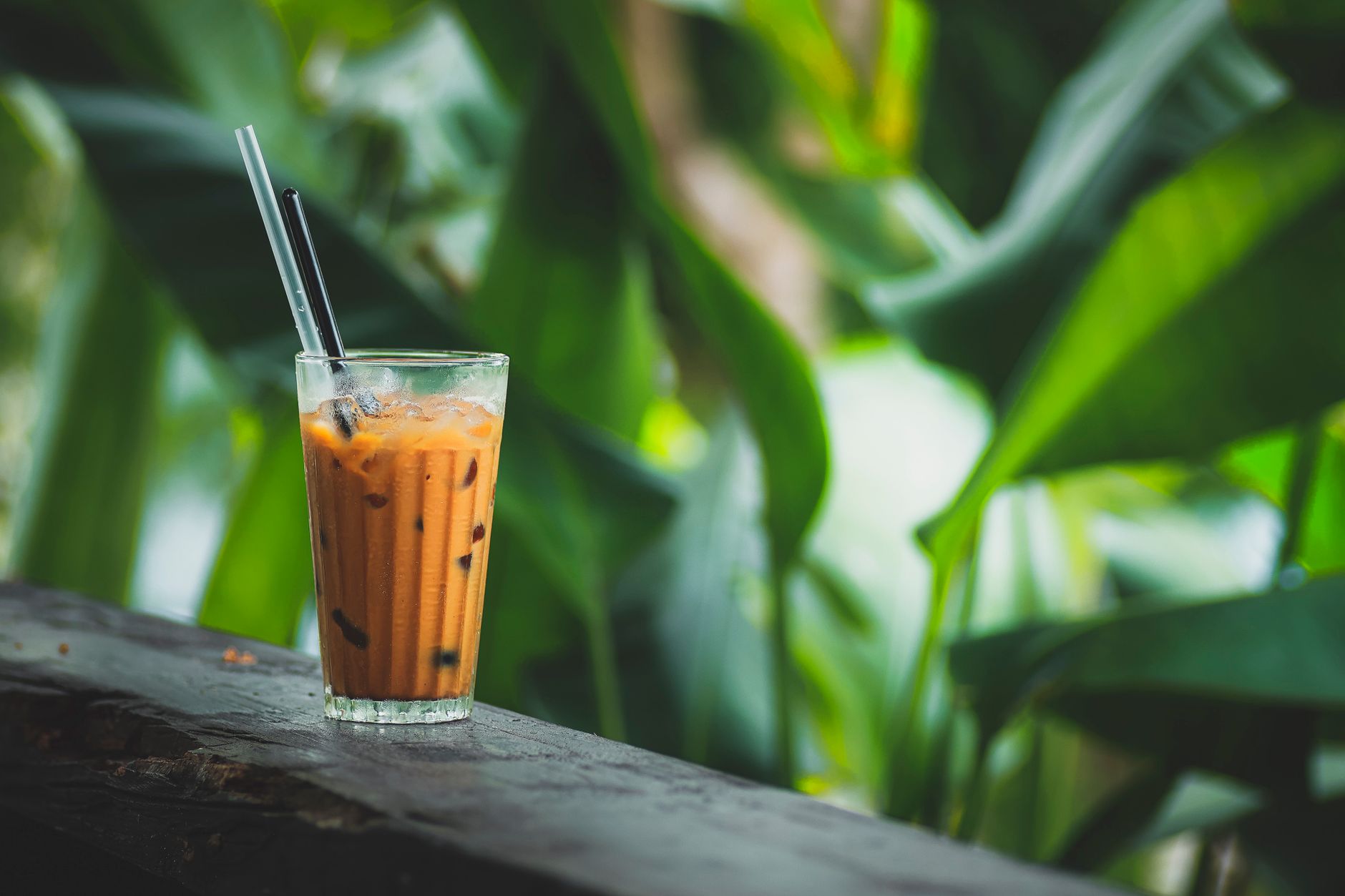
Thai tea, with its unique blend of flavors and vibrant color, has gained popularity both in and outside of Thailand. Many enjoy its aromatic spices and luscious sweetness, often pairing it with a myriad of dishes. But beyond its appealing taste, a common question arises: is Thai tea good for you?
This article delves into the nutritional aspects of Thai tea, discusses potential benefits and considerations, and helps you understand how to enjoy this beverage mindfully.
Is Thai Tea Good for You?
Thai tea can be a delightful addition to your diet, boasting some potential health benefits thanks to its unique ingredients. However, moderation is key, primarily due to sugar content and caffeine levels. Understanding its nutrition can help you make informed choices.
What is Thai Tea?
Thai tea, also known as Thai iced tea or cha yen, is a traditional beverage popular in Thailand. Its main ingredients usually include black tea, sugar, and evaporated milk or sweetened condensed milk. Additionally, it is often infused with various spices such as star anise, cardamom, and sometimes tamarind. This mixture gives Thai tea its signature orange hue and rich flavor.
Nutritional Breakdown of Thai Tea
While enjoying Thai tea, it’s important to consider its nutritional content. The exact figures can vary based on preparation methods, but here is an estimation based on a typical serving size of Thai tea made with sweetened condensed milk:
| Nutrient | Amount (approx. per serving) |
|---|---|
| Calories | 200 |
| Carbohydrates | 30g |
| Sugars | 25g |
| Protein | 3g |
| Fat | 8g |
| Caffeine | 30-60mg |
Potential Health Benefits of Thai Tea
With its combination of ingredients, Thai tea may offer various health benefits. Here are some notable ones:
1. Rich in Antioxidants
Black tea, the primary base of Thai tea, is rich in antioxidants. These compounds help neutralize harmful free radicals in the body, potentially reducing the risk of chronic diseases.
2. Heart Health
Research suggests that moderate tea consumption may support heart health. The flavonoids found in black tea could improve heart health by lowering bad cholesterol levels and regulating blood pressure.
3. Digestive Health
The spices occasionally included in Thai tea like cardamom and star anise can have digestive benefits. They may help stimulate digestion and relieve symptoms of bloating or discomfort.
4. Caloric Content Control
If you use less sugar or opt for a non-sweetened version, Thai tea can be a relatively low-calorie beverage compared to many commercial alternatives.
Considerations for Thai Tea Consumption
While Thai tea has its benefits, there are important considerations to keep in mind regarding its consumption:
1. Sugar Content
One of the primary concerns with Thai tea is its sugar content. Many recipes call for significant amounts of sweetened condensed milk or sugar. If you are monitoring your sugar intake, consider reducing the quantity or using sugar alternatives.
2. Caffeine Levels
Thai tea contains caffeine, which can lead to increased energy and alertness, but may also cause jitters or sleeplessness, especially in sensitive individuals. If you are caffeine-sensitive, you may want to limit consumption or choose a caffeine-free version.
3. Dairy Considerations
The inclusion of evaporated or sweetened condensed milk adds sweetness and creaminess to Thai tea but can be an issue for those who are lactose intolerant or following a vegan diet. Alternatives such as almond milk, coconut milk, or oat milk can create a delicious dairy-free version.
4. Caloric Intake
Thai tea can be high in calories if large amounts of sugar and milk are included. It’s important to consider this alongside your overall daily caloric needs, especially if you’re watching your weight.
How to Make Thai Tea at Home
If you’re interested in trying your hand at Thai tea, making it at home allows you to control the ingredients. Here’s a simple recipe you can follow:
Ingredients
- 4 cups boiling water
- 4 tablespoons loose black tea leaves (or 4 black tea bags)
- 1 tablespoon sugar (or to taste)
- 3-4 tablespoons sweetened condensed milk or evaporated milk
- Ice cubes
- Optional: spices such as star anise, cardamom, or tamarind
Equipment Needed
- Heatproof pitcher or large bowl
- Tea strainer or fine mesh sieve
- Serving glass
- Stirring spoon
Instructions
- Boil the water in a pot or kettle.
- Add the black tea leaves or tea bags to the boiling water and let it steep for about 3-5 minutes for a strong flavor.
- Remove the tea leaves or bags. Stir in the sugar until fully dissolved.
- Let the tea cool to room temperature, then refrigerate it until chilled.
- In a serving glass, fill with ice cubes. Pour the chilled tea over the ice.
- Add the sweetened condensed milk or evaporated milk on top and stir well before serving.
Practical Variations and Substitutions
Experimenting with the components of Thai tea can create variations that cater to your taste preferences and dietary needs:
1. Sweetness Level
Consider using natural sweeteners such as honey, agave syrup, or stevia as substitutes for sugar or condensed milk. Each option will provide a different flavor profile and sweetness level.
2. Dairy-Free Options
To create a dairy-free version of Thai tea, use coconut milk or almond milk. Coconut milk adds a subtle tropical flavor, while almond milk keeps the tea lighter.
3. Flavor Add-Ins
To enhance the flavor, consider adding additional spices such as cinnamon, nutmeg, or vanilla extract during the steeping process. These will impart distinct notes to the tea.
Common Mistakes to Avoid
Making Thai tea can be straightforward, but be aware of these common pitfalls:
1. Over-Steeping the Tea
Steeping the tea for too long can result in a bitter taste. Aim for 3-5 minutes but always taste for yourself to gauge the right strength.
2. Using Too Much Sugar
Balance is essential. Start with a small amount of sugar and slowly add more to avoid overwhelming sweetness that can mask the tea’s flavor.
3. Skipping the Cooling Step
For optimal taste, allow the brewed tea to cool before serving on ice. This helps maintain a pleasant temperature and prevents dilution.
Storage and Reheating
If you’ve made Thai tea in bulk, here’s how to store it:
1. Refrigeration
Store any leftover Thai tea in an airtight container in the refrigerator for up to 3-5 days. Be sure to keep milk or cream separately, as it may change texture upon reheating.
2. Serving Cold or Hot
Thai tea is traditionally served cold with ice. However, it can be enjoyed hot as well. If reheating, do so gently to avoid scorching the tea.
Conclusion
Incorporating Thai tea into your beverage repertoire can be both enjoyable and beneficial when consumed wisely. It’s packed with antioxidants, carries potential heart health advantages, and is a delightful drink to pair with various dishes. While considerations such as sugar and caffeine levels should be kept in mind, you have the tools to customize your Thai tea experience according to your preferences.
Explore other related recipes, cooking tips, or food guides, and consider trying the chai concentrate recipe or learn how to make a refreshing Thai cucumber salad. Enjoy your culinary adventures!