
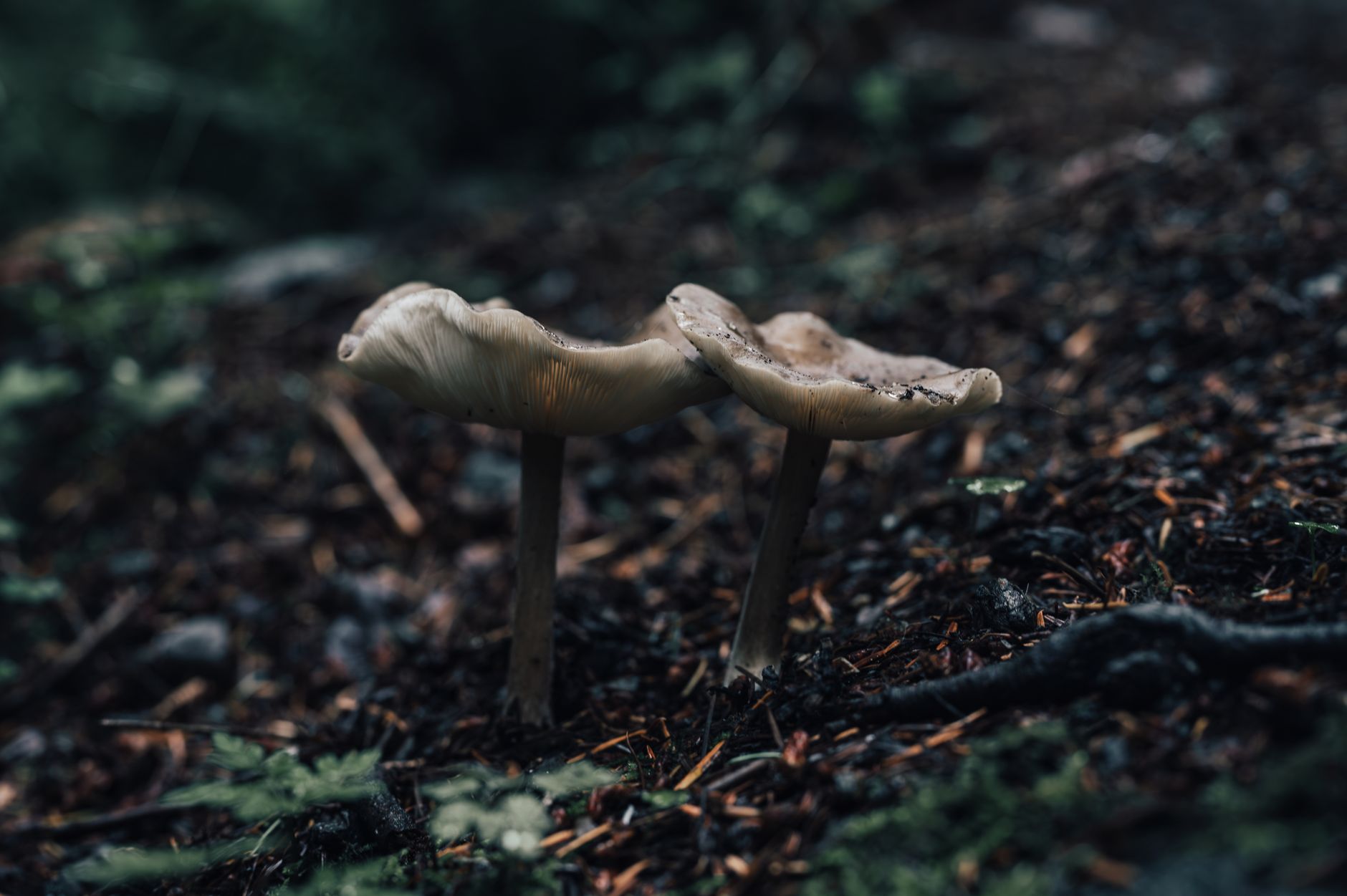
Mushrooms have become a staple ingredient in many cuisines around the world. With their earthy flavor, unique textures, and nutritional benefits, they offer a versatile addition to various dishes. But where do these intriguing fungi come from? This article explores the origins, cultivation practices, and different types of mushrooms, providing you with a comprehensive understanding of this remarkable food source.
The world of mushrooms is vast and varied. From the simple portobello to rare truffles, mushrooms thrive in diverse environments and have been utilized in culinary practices for centuries. Understanding their origins not only deepens our appreciation for them but also enhances our culinary creativity.
Where Do Mushrooms Come From?
Mushrooms originate primarily from the fungi kingdom, growing in soil, on decaying wood, or in symbiotic relationships with plants. Wild mushrooms can be harvested from forests and fields, while cultivated mushrooms are grown in controlled environments for commercial use. Both sources provide unique flavors and culinary possibilities.
Understanding Fungi and Their Habitat
To comprehend where mushrooms come from, it’s essential to understand their biological classification. Mushrooms belong to the kingdom of fungi, which also includes yeasts and molds. Unlike plants, fungi do not perform photosynthesis. Instead, they absorb nutrients from organic matter, often decomposing it in the process.
Mushrooms can thrive in various habitats, including:
- Forests: Many wild mushrooms grow in wooded areas, where moisture and organic material from decaying leaves and trees provide ideal conditions.
- Grassy Areas: Some species can be found in meadows and grasslands, usually near the roots of certain grasses.
- Urban Environments: Surprisingly, mushrooms can also flourish in city parks and gardens, often hidden in the debris.
Wild vs. Cultivated Mushrooms
Mushrooms can be categorized into two main types: wild and cultivated. Understanding the differences can enhance your knowledge when selecting mushrooms for cooking or foraging.
Wild Mushrooms
Wild mushrooms are gathered from their natural habitats. Foraging for wild mushrooms is an age-old practice, but it requires expertise to distinguish edible mushrooms from toxic varieties. Some popular species include:
- Morels: Known for their honeycomb appearance, morels are highly sought after for their rich flavor.
- Chanterelles: These golden-yellow mushrooms have a fruity aroma and a slightly peppery taste.
- Porcini: Renowned for their meaty texture and robust flavor, porcini mushrooms are a favorite in Italian cuisine.
Cultivated Mushrooms
Cultivated mushrooms are grown under controlled conditions, making them more accessible and safer for consumers. Commercial mushroom farming utilizes sterilized substrates, controlled moisture, and temperature to ensure consistent growth. Some common commercially cultivated mushrooms include:
- Button Mushrooms: Also known as white mushrooms, these are the most commonly grown species, prized for their mild flavor.
- Portobello Mushrooms: A mature version of the button mushroom, portobellos have a meaty texture and are used in various dishes, from burgers to risottos.
- Shiitake Mushrooms: Delicious and fragrant, shiitake mushrooms are traditionally used in Asian dishes and offer numerous health benefits.
The History of Mushroom Cultivation
Mushroom cultivation dates back thousands of years. The earliest evidence of mushroom farming can be traced to ancient Egypt, where mushrooms were considered a delicacy and were believed to have magical properties. Over time, cultivation practices spread to different parts of the world, adapting to local conditions and preferences.
In the 17th century, France became a hub for mushroom cultivation, particularly for the white button mushroom. Today, commercial mushroom farms exist worldwide, utilizing advanced techniques that promote large-scale production while maintaining quality and safety.
How Mushrooms Are Grown
The process of mushroom cultivation involves several steps that ensure the healthy growth of the fungi. Here’s an overview of the typical cultivation process:
- Preparation of Substrate: Mushrooms grow on substrates rich in organic material. Common substrates include straw, sawdust, and compost. These materials are often sterilized to eliminate competing bacteria and fungi.
- Inoculation: Once the substrate is prepared, it is inoculated with mushroom spores or mycelium, the vegetative part of the fungus.
- Incubation: The inoculated substrate is kept in a warm and dark environment to encourage mycelium growth, typically for several weeks.
- Fruiting Conditions: After the incubation period, conditions are altered (light, humidity, temperature) to stimulate the mycelium to produce mushrooms.
- Harvesting: Once mushrooms reach maturity, they are hand-harvested and prepared for market.
Different Types of Mushrooms
There are thousands of mushroom species, each with unique flavors, textures, and uses. Here are some notable mushrooms you might consider incorporating into your meals:
Common Edible Mushrooms
- Button Mushrooms: Mild taste, often used in salads or cooked dishes.
- Cremini Mushrooms: A brown variant of button mushrooms with deeper flavor, ideal for sautés and sauces.
- Shiitake Mushrooms: Known for their rich umami flavor, great in soups and stir-fries.
- Oyster Mushrooms: Delicate and slightly sweet, they are often used in Asian recipes.
- Maitake Mushrooms: Also known as hen of the woods, these have a unique frilled appearance and are often sautéed or used in soups.
Exotic and Specialty Mushrooms
- Truffles: This rare delicacy is a type of underground mushroom, famous for its strong aroma and flavor.
- Lobster Mushrooms: Bright orange and often confused with lobsters due to their color and texture, these are great in seafood dishes.
- Enoki Mushrooms: Characterized by their long stems and tiny caps, these are often used in salads or as a garnish in soups.
Health Benefits of Mushrooms
Mushrooms are not only delicious but also packed with nutrients. They offer various health benefits, including:
- Low Calorie: Most edible mushrooms are low in calories, making them an excellent option for weight control.
- Rich in Nutrients: Mushrooms provide essential vitamins and minerals such as vitamin D, B vitamins, and selenium.
- Antioxidant Properties: Certain mushrooms contain antioxidants that help combat oxidative stress.
- Immune Support: Varieties like shiitake and maitake may enhance immune response.
Cooking with Mushrooms
With their versatile flavor profile, mushrooms can be used in myriad ways in the kitchen. Here are some practical tips for cooking with mushrooms:
Choosing Mushrooms
When selecting mushrooms, look for firm, plump specimens with no wet spots or dark blemishes. Fresh mushrooms should have a pleasant aroma and a smooth surface. Avoid any that appear wilted or slimy.
Preparation Techniques
Mushrooms can be prepared in various ways:
- Sautéing: Quickly cook mushrooms in a hot pan with oil or butter to enhance their flavor and texture.
- Grilling: Larger mushrooms like portobellos can be grilled for a smoky flavor.
- Roasting: Roasting mushrooms brings out their sweetness and adds depth to their flavor.
- Adding to Soups and Stews: Mushrooms enrich broths, adding both flavor and nutrition.
Common Mistakes to Avoid
When cooking mushrooms, avoid these common pitfalls:
- Rinsing Mushrooms: Mushrooms absorb water and may become soggy when rinsed. Instead, wipe them clean with a damp cloth.
- Overcrowding the Pan: Give mushrooms space in the pan to avoid steaming instead of sautéing.
- Not Cooking Them Long Enough: Mushrooms need adequate cooking time to develop their flavors.
Storing Mushrooms
Proper storage extends the shelf life of mushrooms and maintains their quality. Here’s how to store them effectively:
Short-Term Storage
Fresh mushrooms can be stored in the refrigerator in a paper bag for up to one week. Avoid airtight containers, as they trap moisture.
Long-Term Storage
To preserve mushrooms for an extended period:
- Freezing: Clean and cook mushrooms before freezing. Place them in airtight containers or freezer bags.
- Dried Mushrooms: Dehydration is another option. Store dried mushrooms in a cool, dark place in an airtight container.
Exploring Unique Mushroom Recipes
Incorporating different mushroom varieties into your cooking can elevate your dishes. Here are several ways to enjoy mushrooms:
Enoki Mushroom Recipe
Enoki mushrooms are delicate and perfect in salads or Asian-inspired soups. Check out this recipe featuring Enoki mushrooms for a refreshing dish.
King Oyster Mushroom Recipe
King oyster mushrooms have a meaty texture perfect for grilling or stir-frying. Learn how to prepare them in this delicious recipe.
Conclusion
Mushrooms are a fascinating food source with a rich history and diverse cultivation methods. From wild foraging to commercial farming, understanding how mushrooms come to our table enhances our appreciation of them. Whether you are a culinary enthusiast or simply looking to incorporate more flavors into your meals, mushrooms offer endless possibilities.
For more culinary insights and inspiring recipes, explore related topics on cooking with mushrooms and other ingredients.