
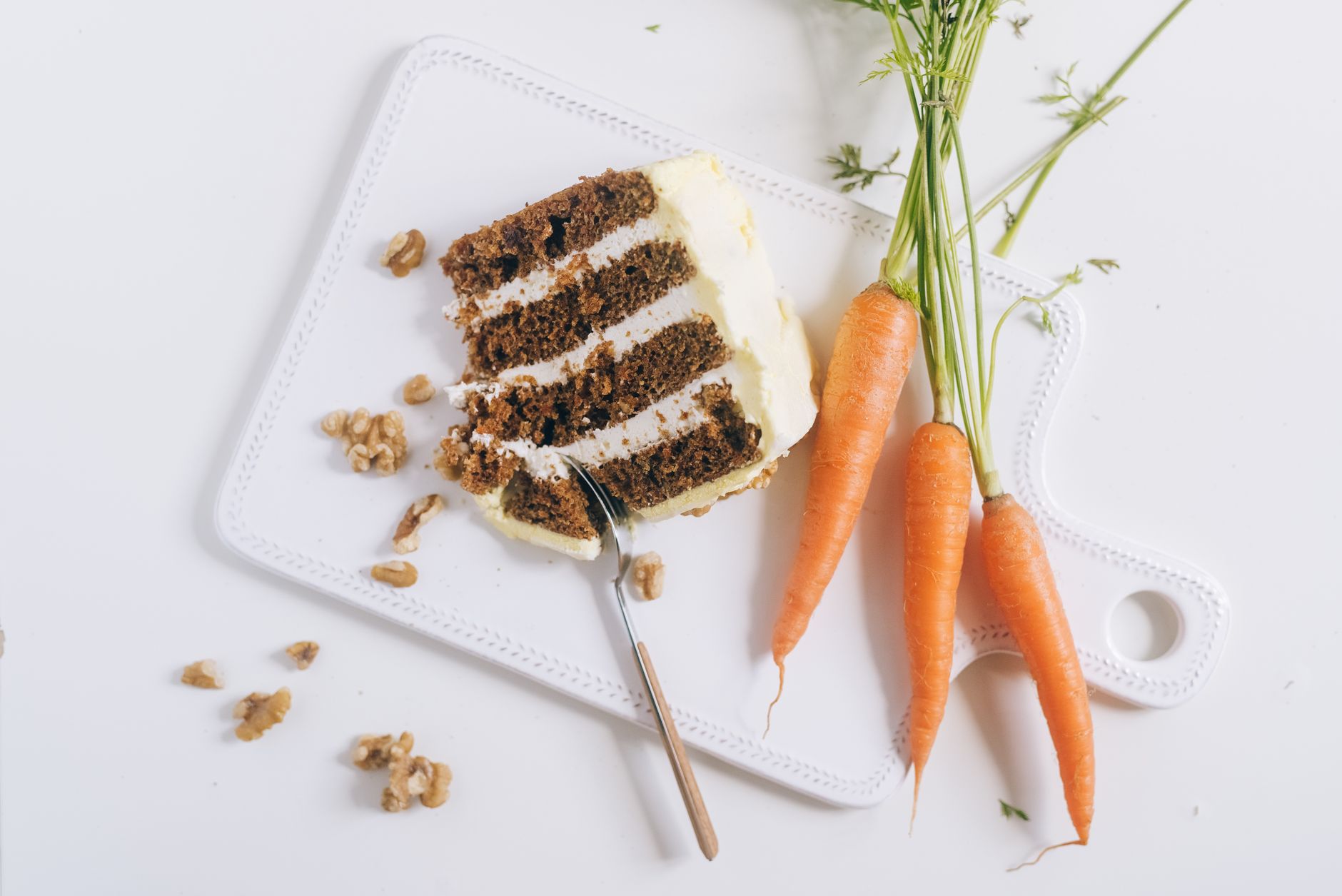
Carrot cake is a beloved dessert known for its moist texture and delightful mix of spices, typically enjoyed with a rich cream cheese frosting. However, many bakers wonder whether storing leftovers, especially when frosted, is feasible. Can you freeze carrot cake with cream cheese frosting? The answer is yes, but there are specific techniques and guidelines to follow for the best results.
In this article, we will explore the best practices for freezing carrot cake with cream cheese frosting, discuss how to thaw it properly, and provide essential tips for optimal storage. Whether you’re preparing for an upcoming celebration or simply looking to save a delicious dessert for later, this guide will ensure your cake retains its flavor and texture.
Can You Freeze Carrot Cake With Cream Cheese Frosting?
Yes, you can freeze carrot cake with cream cheese frosting. However, to maintain its quality, you should follow proper methods for freezing and thawing. Carrot cake is a moist dessert that typically freezes well, and cream cheese frosting can also hold up nicely under freezing conditions, provided you use the right techniques.
Understanding Carrot Cake and Cream Cheese Frosting
Before diving into freezing techniques, it’s essential to understand what makes carrot cake and cream cheese frosting unique. Carrot cake is often made with grated carrots, walnuts or pecans, pineapple, and spices like cinnamon and nutmeg. Its moist texture is a key feature, stemming from the ingredients used and the method of preparation.
Cream cheese frosting, made from cream cheese, butter, and powdered sugar, adds sweetness and tanginess to the cake. This combination makes for a delightful contrast, but the frosting can also become problematic if not stored properly. Understanding these components helps in ensuring the best freezing results.
Freezing Whole Carrot Cake with Cream Cheese Frosting
Freezing a whole carrot cake with cream cheese frosting is an efficient way to preserve your dessert. Follow these steps for optimal results:
- Cool Completely: Allow the cake to cool completely at room temperature after baking. This prevents condensation from forming during freezing, which can lead to ice crystals and a soggy texture.
- Chill in the Refrigerator: After cooling, refrigerate the cake for at least an hour. Chilling it allows the frosting to firm up, making it easier to wrap and store.
- Wrap Tightly: Once the cake is chilled, wrap it tightly in plastic wrap. Ensure there are no exposed areas to prevent freezer burn. You might want to wrap it in two layers for extra protection.
- Use Aluminum Foil: After wrapping in plastic wrap, cover the cake with aluminum foil for additional insulation. This protects the cake from absorbing any odors from the freezer.
- Label and Date: Use a permanent marker to label the cake with the date it was frozen. This helps you keep track of how long it has been in the freezer.
- Freeze: Place the wrapped cake in the freezer. It can be frozen for up to three months for the best flavor and texture.
Freezing Individual Pieces of Carrot Cake
If you prefer to freeze individual slices rather than a whole cake, here’s how to do it:
- Slice the Cake: After the cake is cooled and frosted, slice it into individual servings using a sharp knife. Make sure to clean the knife between cuts to ensure clean edges.
- Wrap Each Slice: Wrap each slice in plastic wrap tightly. This reduces exposure to air and prevents freezer burn.
- Use a Freezer Bag: Place the wrapped slices into a freezer-safe resealable plastic bag or an airtight container. Again, remove as much air as possible.
- Label and Date: Similar to the whole cake, label the bag or container with the date of freezing and the contents.
- Store in Freezer: Store the individual slices in the freezer for up to three months.
Freezing Carrot Cake Without Frosting
If you prefer, you can freeze carrot cake without frosting, which may result in better texture and flavor retention. Here’s how:
- Cool and Chill: As with the frosted cake, ensure the cake has cooled completely and is chilled in the refrigerator for an hour.
- Wrap Tightly: Wrap the cooled cake in plastic wrap, ensuring there are no air pockets.
- Add Foil for Protection: Cover with aluminum foil for added protection and prevent freezer odors.
- Label and Date: Don’t forget to label your cake with the freezing date.
- Freezer Storage: Store the cake in the freezer for up to three months.
Thawing Frozen Carrot Cake with Cream Cheese Frosting
Proper thawing is crucial to maintain the quality of your frozen cake. Here’s how to thaw it effectively:
- Refrigerator Thawing: The best method for thawing a carrot cake is to transfer it from the freezer to the refrigerator. Allow it to thaw gradually. This can take several hours or overnight, depending on the size of the cake.
- Unwrap Carefully: Once thawed, carefully remove the wrapping. If there’s any condensation, gently pat it with a paper towel to avoid sogginess.
- Room Temperature Finish: For the best texture, let the cake sit at room temperature for a short period before serving. About 30 minutes should suffice.
Tips for Maintaining Flavor and Texture
Here are some additional tips to help you maintain the flavor and texture of your carrot cake with cream cheese frosting during freezing and thawing:
- Avoid Freezing for Too Long: For best results, consume the frozen cake within three months. While it may remain safe to eat beyond that, quality can diminish.
- Check Your Frosting: Some frosted cakes may develop changes in texture. If the cream cheese frosting appears to separate after thawing, gently re-whip it before serving.
- Quality Ingredients Matter: High-quality cream cheese and fresh ingredients in your carrot cake contribute to its ability to freeze well.
- Experiment with Frosting Variations: If you’re concerned about freezing the cream cheese frosting, consider using a different type of frosting that freezes better, such as buttercream or ganache.
Common Mistakes to Avoid
Freezing carrot cake with cream cheese frosting can be straightforward, but some common mistakes can lead to disappointing results:
- Not Cooling Completely: Attempting to freeze a still-warm cake will lead to condensation, which can ruin the texture.
- Improper Wrapping: Failing to wrap the cake tightly enough can expose it to air and freezer burn.
- Freezing with Excess Moisture:** Any moisture on the surface can lead to ice crystals, which affect taste and texture.
- Using Old Ingredients: Using old or stale ingredients can result in a less flavorful cake and frosting that won’t freeze well.
Conclusion
Freezing carrot cake with cream cheese frosting is an excellent way to extend the life of this beloved dessert. By following the proper steps for wrapping and storing, along with careful thawing, you can ensure that your cake remains moist and delicious. Whether for a special occasion or simply to have on hand, a portion of frozen carrot cake can be a delightful treat when you need it.
For those exploring more about how to preserve sweet treats, check out our guides on freezing cupcakes and pumpkin pie. These resources will enhance your experience in managing baked goods while enjoying their flavors at their best.