
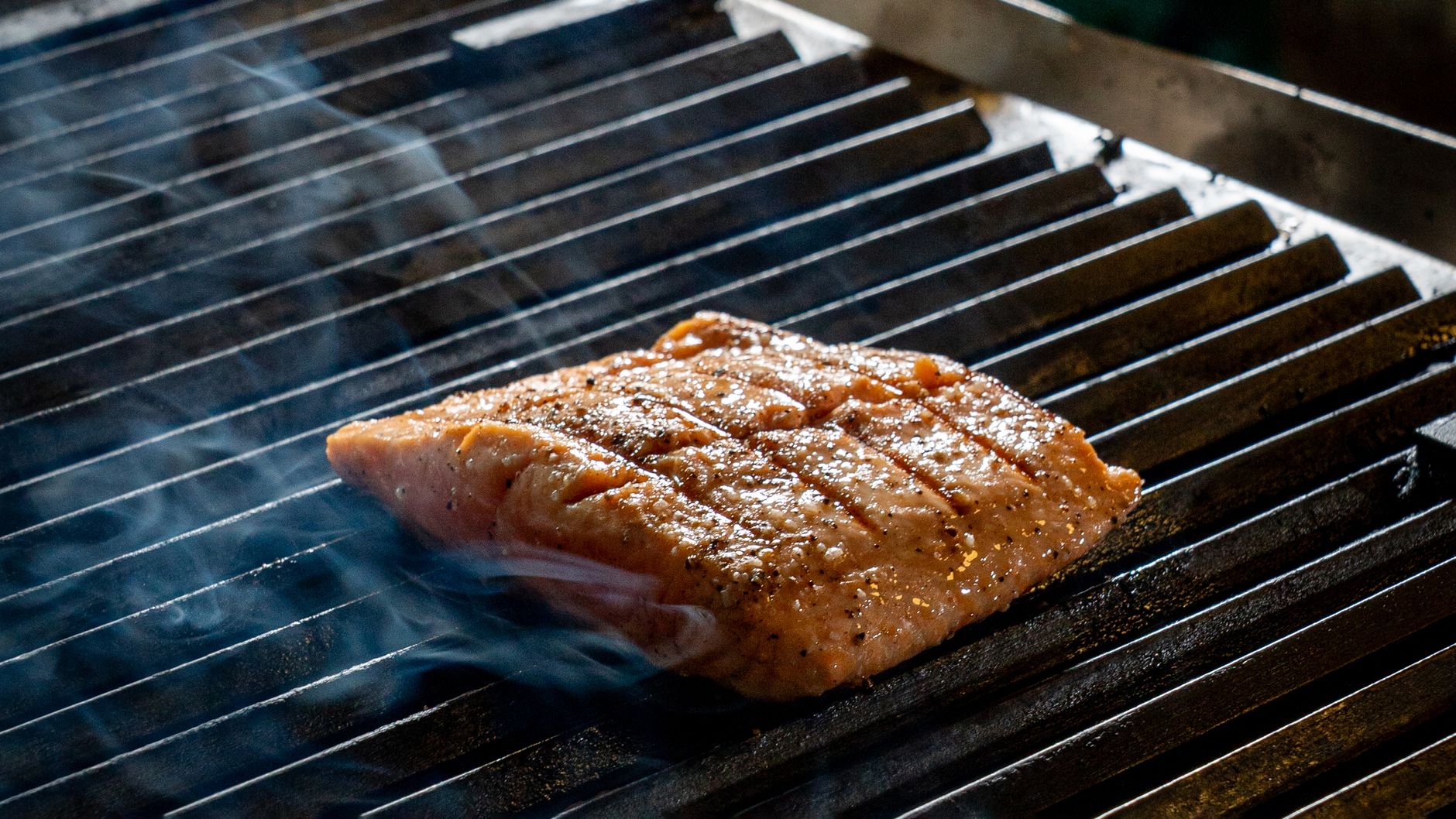
Salmon, a popular fish known for its rich flavor and versatility, is also celebrated for its nutritional benefits. It is often included in diets for those aiming to consume healthier meals. For anyone interested in how much calories this nutrient-dense fish contains, understanding its caloric content can help in meal planning and dietary tracking.
This article delves into the caloric content of salmon, its nutritional value, serving sizes, and various cooking methods. Understanding this information will empower you to make informed choices when including salmon in your diet.
How Much Calories Does Salmon Have?
The caloric content of salmon varies slightly depending on the species and cooking method. On average, a 3.5-ounce (100-gram) serving of cooked salmon contains approximately 206 calories. This number may fluctuate between species, such as wild-caught versus farmed salmon, and depending on whether it is cooked, smoked, or raw.
The Nutritional Breakdown of Salmon
Salmon is not just a source of protein; it also provides various essential nutrients. A typical serving size of cooked salmon (3.5 ounces) includes:
- Calories: 206
- Protein: 22 grams
- Fat: 13 grams
- Omega-3 Fatty Acids: 2.3 grams
- Sodium: 50-60 milligrams
- Vitamin A: 50% of the Daily Value (DV)
- Vitamin D: 100% of the DV
- Vitamin B12: 80% of the DV
- Selenium: 55% of the DV
While salmon is relatively higher in calories than some other fish, the health benefits can outweigh the caloric content, especially considering its high protein and omega-3 fatty acid levels.
Types of Salmon and Their Caloric Differences
Different species of salmon offer varying flavors and calorie contents. Here are some common types of salmon and their caloric profiles for a 3.5-ounce (100-gram) serving:
- Chinook Salmon (King Salmon): Approximately 250 calories
- Coho Salmon (Silver Salmon): Approximately 210 calories
- Pink Salmon: Approximately 190 calories
- Sockeye Salmon: Approximately 230 calories
While Chinook salmon is the most calorie-dense, it is also one of the richest in healthy fats, making it a favorite for those looking for flavorful and nutritious options.
Cooking Methods and Their Effect on Caloric Content
The way salmon is prepared can impact its overall caloric content. Here are some common cooking methods and their typical caloric changes:
Grilled Salmon
Grilling enhances the flavor of salmon without significantly changing its caloric content. A grilled 3.5-ounce serving will generally retain around 206 calories.
Baked Salmon
Baking is another common method that maintains the fish’s nutritional integrity. Baked salmon also has about 206 calories per serving, especially when cooked with minimal oil or butter.
Pan-Seared Salmon
When pan-searing salmon with added fats like butter or oil, the calories will increase. Depending on how much fat is used, a pan-seared salmon may contain between 250-300 calories per serving.
Smoked Salmon
Smoked salmon is slightly different in terms of caloric content. A typical serving of smoked salmon has about 117 calories, making it a lower-calorie option. However, be mindful of sodium content, which can be much higher due to the smoking process.
Raw Salmon (Sushi/Sashimi)
Raw salmon used in sushi or sashimi typically contains around 142 calories per 3.5-ounce serving. It’s a lower-calorie option, but quality and freshness are key when consuming raw fish.
How to Incorporate Salmon into Your Meal Plan
When planning meals, considering the caloric content of salmon can help you maintain a balanced diet. Here are some tips on how to include salmon in your weekly meal plan:
- Variety of Dishes: Try different recipes such as salmon salads, grilled salmon sandwiches, or smoked salmon on bagels to keep your meals interesting.
- Balanced Plate: Pair salmon with healthy sides like steamed vegetables or a quinoa salad to create a fulfilling meal.
- Batch Cooking: Cook multiple portions of salmon at once to have ready-to-eat meals throughout the week.
Understanding Serving Sizes
The standard serving size of salmon is usually around 3.5 ounces or 100 grams. However, serving sizes can vary based on dietary needs. Here are some considerations for different populations:
- Adults: For most adults, a serving size of salmon two to three times per week is recommended, aligned with dietary guidelines.
- Athletes: Those engaged in heavy physical activity may opt for larger portion sizes, closer to 6 ounces, to meet their protein requirements.
- Children: Children may benefit from smaller servings, around 2 ounces, depending on their age and nutritional needs.
Common Questions About Salmon and Calories
Is salmon high in calories compared to other fish?
Salmon is relatively higher in calories than other fish like cod or tilapia. However, its higher fat content contributes to significant health benefits, such as omega-3 fatty acids, which are associated with numerous health advantages.
Can I lose weight while eating salmon?
Yes, salmon can be part of a weight-loss plan. Its high protein content helps increase satiety and supports lean muscle mass. Just be mindful of portion sizes and cooking methods that may add calories, such as frying.
Comparing Salmon to Other Foods
It’s beneficial to see how salmon stacks up against other protein sources in terms of calories and nutrition:
| Food | Calories (per 3.5 ounces) | Protein (grams) | Fat (grams) |
|---|---|---|---|
| Salmon | 206 | 22 | 13 |
| Chicken Breast (Cooked) | 165 | 31 | 3.6 |
| Tofu (Firm) | 144 | 16 | 9 |
| Beef (Ground, 85% lean) | 250 | 26 | 17 |
Salmon not only offers good protein content but also comes with the added benefits of healthy fats, making it a popular choice among many dietary plans.
Storage and Safety Tips for Salmon
Storing salmon properly is essential to maintain its freshness and safety. Here are some guidelines:
- Fresh salmon should be stored in the coldest part of the refrigerator and consumed within 1-2 days.
- If you don’t plan to eat it soon, consider freezing it. Salmon can be frozen for up to 3 months.
- Cooked salmon can be stored in the refrigerator for 3-4 days and should be tightly wrapped to avoid drying out.
Common Mistakes to Avoid When Cooking Salmon
Here are some essential tips to ensure perfect salmon preparation:
- Overcooking: Salmon is best cooked to an internal temperature of 125-145°F (51-63°C). Overcooking can lead to dry, unpleasant textures.
- Skipping Skin: If you like crispy skin, cook the salmon skin side down, and do not move it too early in the cooking process.
- Not Patting Dry: Always dry salmon fillets before cooking to achieve a nice sear and enhance flavor.
By avoiding these common pitfalls, you can enjoy your salmon dishes much more.
Final Thoughts on Salmon and Calories
Understanding how many calories salmon contains helps you better incorporate it into your diet. This nutrient-dense fish provides a wealth of health benefits beyond mere calories. Regularly including salmon in your meals can enhance your protein intake, supply healthy fats, and offer essential vitamins and minerals.
To optimize your culinary experience, use various cooking methods and enjoy salmon in diverse dishes. Try it baked, grilled, or even in sushi. Each preparation has its unique flavor profile and health benefits, allowing it to fit into various dietary plans and preferences.
Explore the caloric content of other fish, and learn how to tell if salmon is bad before cooking to ensure you’re only preparing high-quality meals. For more tips on cooking tilapia, check out our guide on how long to cook tilapia, and for storing seafood properly, read how to tell if salmon is bad.