
Potassium is an essential mineral that plays a crucial role in maintaining fluid balance, nerve function, and muscle contraction. Unfortunately, many people do not get enough potassium from their diets. This guide will explore various foods high in potassium, offering details about their potassium content per serving and additional nutritional benefits.
Understanding which foods are rich in potassium helps you plan meals that can contribute to your overall health. Whether you are looking to improve your dietary potassium intake or simply want to learn more about potassium-rich foods, this guide is designed to provide valuable information you can use in your meal planning.
What Foods Have High Potassium? (Amounts by Serving Size)
When it comes to enriching your diet with potassium, the choices are both diverse and delicious. Below is a detailed list of foods that are particularly high in potassium, including their average potassium content per common serving size.
Fruits High in Potassium
Fruits are not only rich in vitamins and minerals but also often contain high levels of potassium. Here’s a look at some potassium-packed fruits:
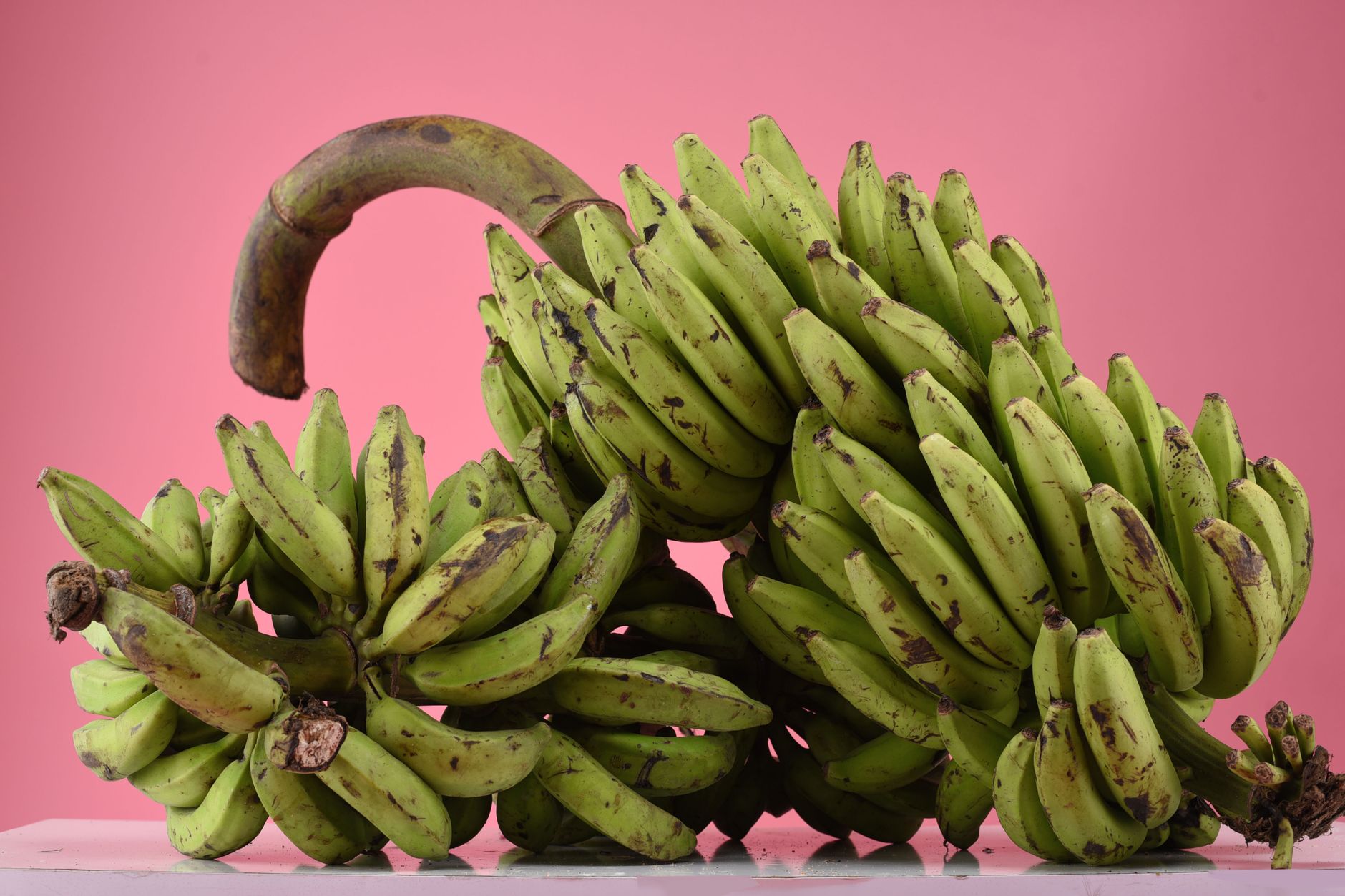
- Bananas – Approximately 422 mg of potassium per medium banana (7-8 inches long). Bananas are versatile and can be eaten on their own, added to smoothies, or used in baking.
- Avocados – One medium avocado contains about 975 mg of potassium. Avocado can be used in salads, spreads, or even smoothies for a creamy texture.
- Oranges – One medium orange has around 237 mg of potassium. Oranges can be juiced, eaten as a snack, or added to salads.
- Potatoes (Baked with Skin) – A medium baked potato contains about 926 mg of potassium. Potatoes can be served as a side dish or incorporated into main courses.
- Honeydew Melon – One cup of diced honeydew melon offers about 428 mg of potassium. This refreshing fruit is great in salads or as a snack.
Vegetables High in Potassium
Vegetables are a fantastic source of potassium and can be easily incorporated into meals. Here are some notable options:
- Sweet Potatoes – One medium sweet potato provides approximately 540 mg of potassium. Sweet potatoes can be roasted, mashed, or made into fries.
- Spinach – One cup of boiled spinach contains around 839 mg of potassium. Spinach can be used in salads, soups, or sautéed as a side dish.
- Swiss Chard – One cup of cooked Swiss chard has about 961 mg of potassium. Incorporate it in stir-fries, salads, or as a bed for proteins.
- Beet Greens – One cup of cooked beet greens provides roughly 1,100 mg of potassium. You can enjoy them sautéed or as part of a mixed green salad.
- Broccoli – One cup of boiled broccoli offers about 457 mg of potassium. Broccoli is excellent steamed, roasted, or in stir-frys.
Legumes and Pulses
Legumes and pulses are hearty, nutritious, and packed with potassium. They are perfect for vegetarian dishes and can serve as a protein source. Consider these options:
- Lentils – One cup of cooked lentils contains about 731 mg of potassium. Lentils can be used in soups, stews, or salads.
- White Beans – One cup of cooked white beans provides approximately 1,189 mg of potassium. They work well in soups, purees, and side dishes.
- Kidney Beans – One cup of cooked kidney beans has around 607 mg of potassium. Use them in chili, salads, or bean dips.
- Chickpeas – One cup of cooked chickpeas delivers about 477 mg of potassium. Chickpeas are versatile in salads, hummus, or roasted for a snack.
- Lima Beans – One cup of cooked lima beans offers roughly 955 mg of potassium. They can be added to soups, casseroles, or served as a side dish.
Nuts and Seeds
Nuts and seeds can make for excellent snacks while being rich in potassium. Here are some options:
- Almonds – One ounce (about 23 almonds) contains around 208 mg of potassium. Almonds are perfect for snacking or adding to salads and dishes.
- Sunflower Seeds – One ounce of sunflower seeds provides about 285 mg of potassium. They can be added to salads or eaten as a healthy snack.
- Walnuts – One ounce of walnuts has approximately 125 mg of potassium. Use them in baking, salads, or granola.
- Hazelnuts – One ounce of hazelnuts contains about 193 mg of potassium. Hazelnuts can be enjoyed raw, roasted, or incorporated into desserts.
- Pumpkin Seeds – One ounce of pumpkin seeds gives about 228 mg of potassium. They can be used in cooking or as a crunchy topping for salads.
Dairy Products
Dairy can also be a great source of potassium. Here are some dairy options with potassium content:
- Yogurt – One cup of plain yogurt has about 573 mg of potassium. Yogurt can be enjoyed on its own or with fruits and granola.
- Milk – One cup of milk (whole, skim, or 1%) provides around 322 mg of potassium. Milk can be consumed as a drink or used in cooking and baking.
- Cheese – One ounce of mozzarella cheese contains approximately 6 mg of potassium, while one ounce of Swiss cheese provides around 14 mg. Cheese can be used in countless dishes and snacks.
Fish and Meats
Animal proteins can also contribute to your potassium intake. Consider these sources:
- Salmon – A 3-ounce serving of cooked salmon contains about 534 mg of potassium. Salmon can be grilled, poached, or baked for a nutritious dinner.
- Tuna – A 3-ounce serving of canned tuna provides approximately 484 mg of potassium. Tuna can be used in salads, sandwiches, or pasta dishes.
- Chicken Breast – A 3-ounce serving of cooked chicken breast has around 256 mg of potassium. Chicken can be grilled, roasted, or stir-fried.
- Pork Chops – A 3-ounce serving of cooked pork chop provides about 402 mg of potassium. Pork can be grilled or roasted and enjoyed with various sides.
- Turkey – A 3-ounce serving of roasted turkey offers approximately 285 mg of potassium. Turkey can be used in sandwiches, salads, or as a main dish.
Grains
Whole grains can be nutritious sources of potassium, as well. Here are some grains you can consider:
- Quinoa – One cup of cooked quinoa contains about 318 mg of potassium. Quinoa can be used in salads, bowls, or as a side dish.
- Oats – One cup of cooked oatmeal provides approximately 154 mg of potassium. Oats can serve as a base for breakfast or baked goods.
- Brown Rice – One cup of cooked brown rice has around 154 mg of potassium. It’s a versatile base for many dishes.
- Barley – One cup of cooked pearl barley provides about 193 mg of potassium. Barley works well in soups and salads.
Herbs and Seasonings
Don’t overlook herbs and seasonings when looking for potassium-rich additions to your meals:
- Parsley – One tablespoon of fresh parsley contains about 19 mg of potassium. Use it to enhance the flavor of salads and dishes.
- Thyme – One tablespoon of fresh thyme provides approximately 8 mg of potassium. Thyme can elevate roasted vegetables or meats.
- Oregano – One tablespoon of fresh oregano has around 20 mg of potassium. It can enhance the taste of tomato sauces, soups, and grilled dishes.
- Celery – One cup of chopped celery provides roughly 263 mg of potassium. It’s great in salads and soups.
- Garlic – A clove of garlic contains about 12 mg of potassium. Garlic is used in countless dishes for flavor enhancement.
How to Incorporate High-Potassium Foods into Your Diet
Incorporating high-potassium foods into your diet can be both enjoyable and easy. Here are several practical strategies to increase your intake:
Breakfast Ideas
Start your day with high-potassium foods to help you feel energized:
- Make a smoothie with spinach, banana, yogurt, and a spoonful of nut butter.
- Cook oatmeal topped with sliced banana and chia seeds.
- Make an avocado toast with whole-grain bread and topped with eggs.
Lunch and Dinner Tips
Adding high-potassium foods to lunch and dinner is simple:
- Prepare a quinoa salad with chickpeas, diced tomatoes, and diced avocado.
- Serve grilled salmon with a side of roasted sweet potatoes and steamed broccoli.
- Make a vibrant vegetable stir-fry with spinach, bell peppers, and tofu.
Snacks and Smoothies
Keep healthy snacks on hand that boast potassium:
- Slice up a banana or apple with almond butter.
- Combine yogurt with honeydew melon pieces and chopped nuts.
- Even roasted chickpeas can make a nourishing snack.
Experiment with Recipes
Consider trying recipes that highlight these potassium-rich ingredients:
- Homemade hummus using cooked lentils or chickpeas, served with vegetable sticks.
- Make a hearty lentil soup with carrots, celery, and spices.
- Grilled vegetables, like zucchini and bell peppers, seasoned with herbs.
Practical Tips for Meal Planning
Building a meal plan that incorporates plenty of potassium-rich foods can ensure you meet your dietary goals:
- Choose recipes that include multiple high-potassium foods, such as salads with beans, greens, and fruits.
- Prepare larger batches of beans, lentils, and quinoa to have on hand for the week.
- Include a variety of these foods throughout the day, balancing protein and carbs for meals.
Common Mistakes when Eating for Potassium
A few common pitfalls can hinder your efforts to increase potassium intake:
- Relying too heavily on processed foods can lead to lower overall potassium intake; fresh foods are typically better sources.
- Ignoring plant-based options can cause you to miss out on a wide variety of potassium-rich foods.
- Forgetting to track your intake; it can be helpful to keep a food diary to ensure you are consuming sufficient potassium.
Conclusion
Incorporating potassium-rich foods into your diet is vital for maintaining health and well-being. Whether it’s fresh fruits, vegetables, legumes, or other sources, ensuring sufficient potassium intake is easily achievable through variety and meal planning. Start with the options provided, and feel free to experiment with new recipes and ideas.
Explore more about nutritious cooking, visit some delicious recipes, or learn about unique ingredients at our site. Check out our purple potatoes recipe and see how to make lima beans with easy steps and high-potassium goodness!