
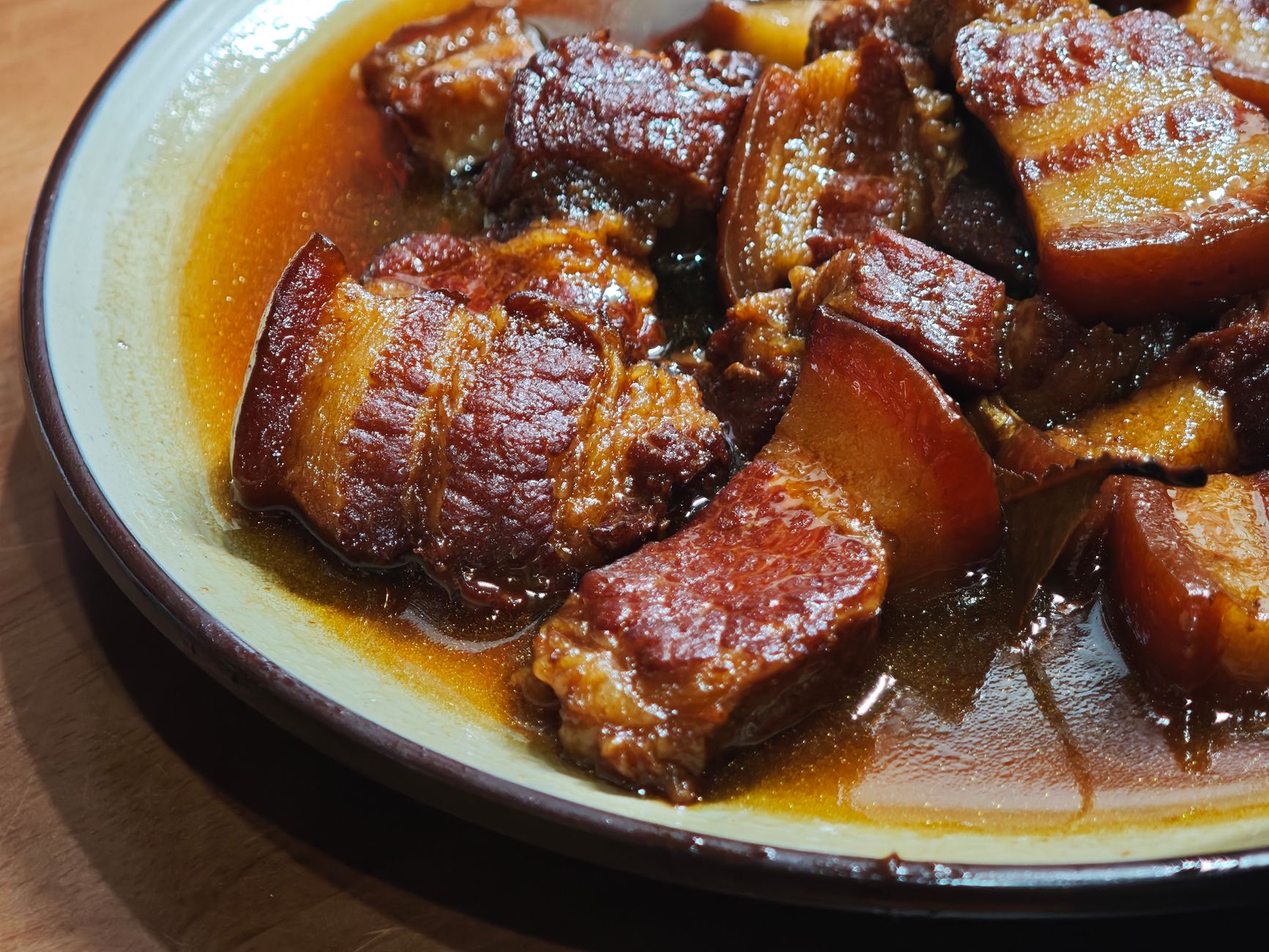
Understanding digestion is essential for maintaining a healthy diet, especially when it comes to consuming meat like pork. This article delves into how long it takes to digest pork, why this number can vary, and what you need to know about cooking and enjoying pork dishes responsibly.
We will explore factors affecting digestion time, helping you make informed decisions about your meals and dietary habits. From the types of pork to ways of preparation, this guide offers a comprehensive overview of how to enjoy pork while considering your digestive health.
How Long Does It Take to Digest Pork?
The digestion of pork typically takes between four to six hours after you consume it. However, several factors can influence this timeframe, including the cut of meat, cooking method, and individual digestive health. Factors such as age, metabolism, and general health can also play a significant role.
Pork is a protein-rich food that generally takes longer to break down than carbohydrates and fats. Let’s take a closer look at these influencing factors to get a better understanding of digestion time.
Factors Influencing Digestion Time
1. Type of Cut
The cut of pork you consume can significantly affect digestion time. Pork cuts with higher fat content, like pork belly, can take longer to digest than lean cuts, such as tenderloin. Here are some examples:
- Pork Belly: High in fat, it may take closer to six hours.
- Pork Loin: Leaner and easier to digest, generally takes about four to five hours.
- Pork Tenderloin: One of the leanest cuts, it can digest in about four hours.
2. Cooking Method
The way you prepare pork can also influence how long it takes to digest. Cooking methods that tenderize the meat, like slow cooking, can make it easier for your body to break down the meat fibers:
- Grilling or Frying: This method may result in a denser texture, potentially lengthening digestion.
- Slow Cooking: Results in tender, easily digestible meat.
- Boiling or Stewing: Can make pork softer and easier to digest due to moisture absorption.
3. Individual Digestive Health
Your individual digestive health plays a significant role in how efficiently your body processes food. Issues such as gastritis, irritable bowel syndrome (IBS), or food intolerances can extend digestion times. Additionally, factors like age, hydration, and stress levels also contribute to digestive efficiency.
The Digestive Process
Understanding how pork is digested requires familiarization with the digestive process itself. When you eat pork, the following steps take place:
1. Chewing
The digestive process begins in the mouth, where you chew pork. This mechanical breakdown prepares it for further digestion by increasing the surface area exposed to digestive enzymes.
2. Stomach Breakdown
Once swallowed, pork enters the stomach where it is mixed with gastric juices. The stomach acids and enzymes start breaking down proteins, making them easier to digest in the intestines. This stage generally lasts two to four hours.
3. Intestinal Absorption
After the stomach, the food moves into small intestines, where bile from the liver and enzymes from the pancreas come into play. These substances help further break down fats and proteins. Nutrient absorption occurs during this phase, which can take about three to six hours for meat like pork.
4. Waste Elimination
After the nutrients are absorbed, any remaining waste moves into the large intestine. Here, water is reabsorbed, and the remaining materials are eventually excreted. The entire process can take up to 24 to 72 hours for food to fully exit the system.
Tips for Better Digestion of Pork
To support efficient digestion of pork, consider the following tips:
- Choose Lean Cuts: Opt for leaner cuts like pork tenderloin for easier digestion.
- Cook Properly: Ensure meats are cooked well but avoid overcooking, which can make them tough.
- Pair With Digestive Aids: Include fiber-rich vegetables or fruits that help aid digestion.
- Stay Hydrated: Drinking water enhances digestive processes and supports nutrient absorption.
- Avoid Heavy Sauces: Rich, creamy sauces can slow down digestion. Choose light marinades instead.
Common Mistakes When Cooking Pork
Even experienced cooks can make mistakes when preparing pork. Here are some common pitfalls to avoid:
- Undercooking: Always use a food thermometer to ensure pork reaches a safe internal temperature of at least 145°F (62.8°C) with a resting time of three minutes.
- Overcooking: Pork can dry out, so monitor cooking time closely to avoid toughness.
- Skipping Marinades: Marinating pork can improve flavor and tenderness, enhancing digestion.
Cooking Techniques to Enhance Digestion
Utilizing certain cooking techniques can lead to tastier and more digestible pork. Here are some recommended methods:
1. Braising
Braising pork results in tender meat. To braise, sear your pork in a hot pan, then slowly cook it in its juices or broth. This method is excellent for tougher cuts and ensures moisture retention.
2. Steaming
Steaming preserves nutrients while keeping pork tender. You can steam pork rolls along with vegetables for a healthy meal that’s easy on the stomach.
3. Grilling
Grilling adds a unique flavor, and with proper technique, you can achieve a juicy interior. Let pork marinate for a few hours before grilling to enhance moisture and taste.
Using Cuts of Pork in Recipes
Pork Chop
Pork chops are versatile and can be grilled, baked, or pan-seared. They can be served with a variety of sides like sautéed greens or mashed potatoes. Check out a recipe for Pork Chop Supreme to explore a delightful twist on this classic dish.
Pork Cutlets
Pork cutlets are thin slices of meat that cook quickly, making them an ideal choice for meals when time is short. They can be breaded and pan-fried or grilled. Looking for a recipe? Try these Pork Cutlets.
Conclusion
Understanding the time it takes to digest pork can help you make better dietary choices and enhance your cooking skills. By choosing suitable cuts and utilizing helpful cooking methods, you can enjoy delicious pork dishes while ensuring your digestive health remains a priority. Always remember to pair these meals with digestion-friendly sides and stay hydrated to optimize your meals.
Explore more recipes, cooking techniques, and tips to satisfy your culinary curiosity. Check out Pork Chop Supreme or Pork Cutlets for delicious dishes that highlight pork’s potential in your kitchen.