
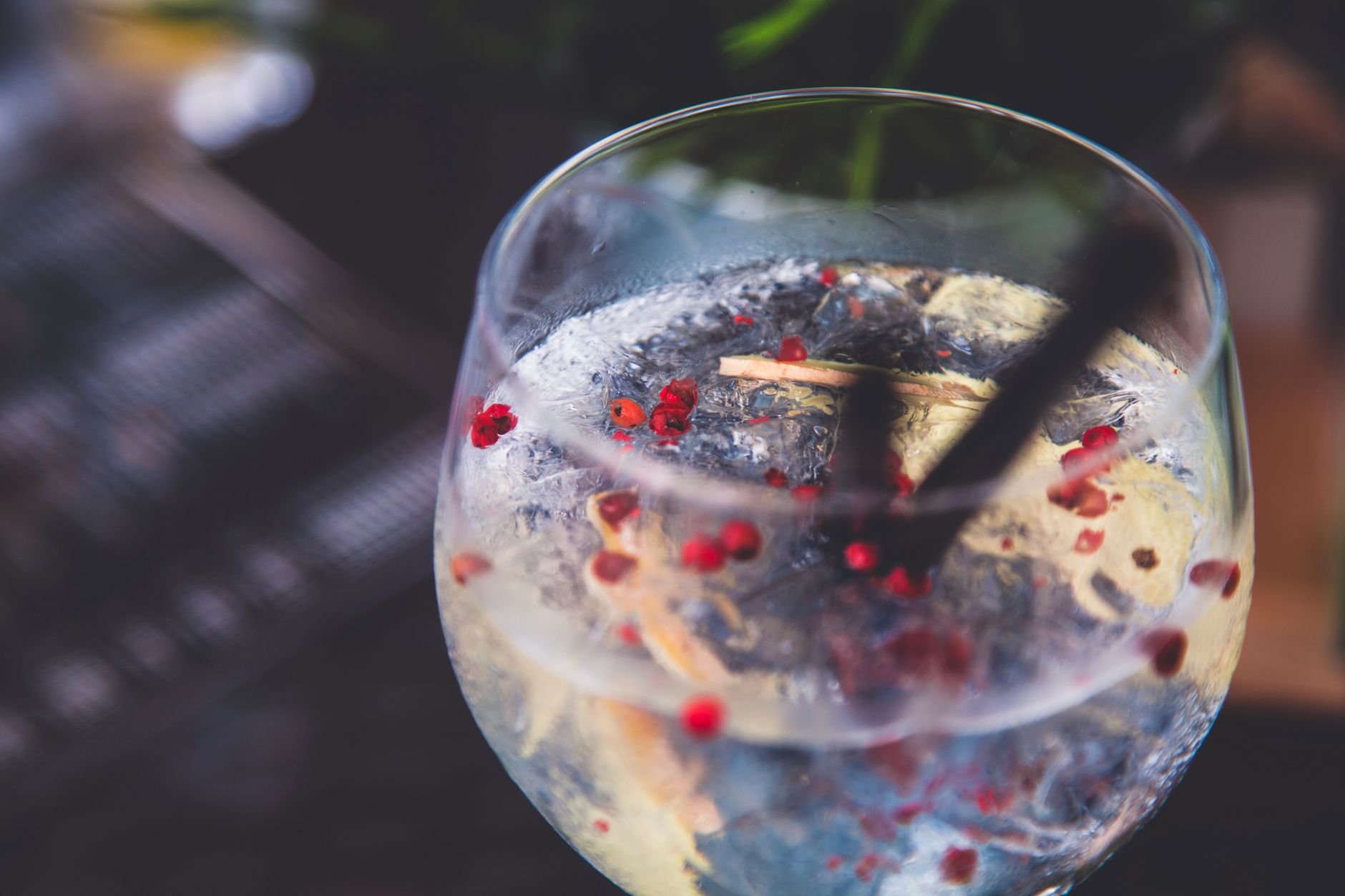
Gin is a beloved spirit known for its unique botanicals and versatility in cocktails. But what is gin actually made from? Understanding the ingredients and the crafting process behind gin can enhance your appreciation for this classic drink. In this guide, we’ll explore the primary ingredients used in gin, how they contribute to its distinctive flavor profile, and offer some creative serving suggestions.
From the juniper berries that define its character to various other botanicals that add depth, gin offers a world of flavors. Let’s delve deeper into what gin is made from, how it’s distilled, and some ways to enjoy it.
What Is Gin Made From?
Gin is primarily made from three key ingredients: its base spirit, juniper berries, and an array of botanicals. Here’s a closer look at each component.
Base Spirit
The base spirit for gin is typically a neutral grain alcohol, which can be made from various grains such as wheat, barley, corn, or rye. This spirit should be distilled to a high proof, resulting in a neutral flavor that provides a canvas for the botanicals. Distillers often use a method called “pot distillation” or “column distillation” to create this high-proof alcohol. The quality and character of the base spirit can vary significantly depending on the type of grain and the distillation process.
Juniper Berries
Juniper berries are the defining botanical in gin. They contribute the signature pine-like flavor that sets gin apart from other spirits. The amount of juniper used can vary between gin brands, but it typically constitutes a significant portion of the botanical mix. The flavor profile of juniper berries includes citrus notes, resinous undertones, and a slightly bitter finish, which adds complexity to the spirit.
Botanicals
Beyond juniper, gin can include a wide array of other botanicals, each contributing unique flavors. The selection of botanicals often reflects the distiller’s creativity and can include:
- Coriander: Adds citrus and spice notes.
- Anise: Brings a sweet, licorice flavor.
- Orris Root: Contributes floral and earthy aromas.
- Angelica Root: Imparts herbal and woody flavors.
- Rosemary: Provides a fragrant herbal touch.
- Cardamom: Adds warm, spicy notes.
- Citrus Peel: Lemon, orange, or lime peels enhance freshness.
- Others: Some gins feature exotic botanicals like cucumber, lavender, or even seaweed.
The exact formulation of botanicals can vary widely by brand, leading to a diverse range of flavors and aromas. For example, some gins emphasize floral elements, while others may lean toward spiciness or citrusy freshness.
The Distillation Process
Once the botanicals have been selected, the distillation process begins. Here’s a simplified version of how gin is created:
- Maceration: The botanicals are often steeped in the base spirit to allow their flavors to infuse. This can take several hours or even days, depending on the desired flavor intensity.
- Distillation: After maceration, the mixture is distilled in a pot still or a column still. During this process, the alcohol vaporizes and the flavors from the botanicals are extracted. The distillation can happen multiple times to achieve a higher purity.
- Flavor Adjustment: After distillation, the spirit might be diluted with water to reach the desired alcohol level, usually between 37.5% and 50% ABV. Some distillers may add flavorings or sweeteners at this stage.
- Bottling: Finally, the gin is filtered and bottled, ready for consumption.
Understanding this process can help consumers appreciate the craftsmanship involved in creating high-quality gin.
Flavor Profiles of Different Types of Gin
Gin is a versatile spirit with various styles, each offering a distinct flavor profile. Let’s look at some of the most common types of gin, how they differ, and what makes each special.
London Dry Gin
London Dry Gin is perhaps the most iconic style. It is characterized by a strong juniper flavor and a dry finish. London Dry Gin must be distilled to a high proof and cannot have any artificial flavorings or colorings added after distillation. It’s often used in classic cocktails like the Gin and Tonic.
Old Tom Gin
This style is slightly sweeter than London Dry Gin and often features more botanicals. Old Tom Gin was popular in the 18th century and is experiencing a revival, beloved for its depth and slight sweetness. It pairs well in cocktails that require a richer gin flavor.
Geneva
Geneva is a Dutch style of gin with a malty base due to its higher percentage of malted grains. It offers a unique flavor profile compared to more common styles, with a heavier and richer body. It’s often used in cocktails that celebrate its distinct flavor.
Contemporary or New Western Gin
This style showcases a wide variety of botanicals beyond juniper, often emphasizing flavors like floral or fruit notes. These gins allow distillers to get creative, resulting in unique and diverse bottles that appeal to a modern palate. They can be enjoyed on their own or in innovative cocktails.
Classic Cocktails Featuring Gin
The versatility of gin makes it a favorite in cocktail culture. Here are some classic cocktails that highlight the spirit’s range of flavors:
Gin and Tonic
The Gin and Tonic is a refreshing staple, easily customizable depending on the gin used. To prepare:
- 2 ounces of gin
- 4-6 ounces of tonic water
- Optional: citrus slices or fresh herbs for garnish
Mix in a tall glass filled with ice and enjoy!
Martini
The Martini is a classic that is both sophisticated and simple. Ingredients include:
- 2 ounces of gin
- 1 ounce of dry vermouth
- Optional: olives or a lemon twist for garnish
Stir the ingredients with ice, strain into a chilled glass, and garnish to complete this timeless cocktail.
Nevada Collins
This gin cocktail is a refreshing option, perfect for warm weather:
- 1.5 ounces of gin
- 1 ounce of fresh lemon juice
- 0.5 ounces of simple syrup
- Club soda to top
Shake the gin, lemon juice, and simple syrup with ice, strain into a glass with ice, and top with club soda. Stir gently.
Serving Suggestions for Gin
When it comes to serving gin, the possibilities are endless. Here are some creative serving suggestions to elevate your gin experience:
Choosing Glassware
The choice of glass can impact your gin-drinking experience. Here are some options:
- Highball Glass: Ideal for mixed drinks like Gin and Tonic.
- Martini Glass: Perfect for classic cocktails like Martinis.
- Gin Goblet: Great for sipping neat or on the rocks, allowing ample space for garnishes.
Enhancing with Garnishes
Garnishes add both flavor and visual appeal to gin drinks. Consider:
- Citrus Peels: Lemon, lime, or orange peels add brightness.
- Fresh Herbs: Basil, mint, or rosemary can enhance floral notes.
- Spices: A dash of black pepper or cardamom can add complexity.
Pairing with Food
Gin’s crisp and refreshing character makes it a versatile pairing for various dishes:
- Seafood: Gin pairs well with dishes such as shrimp cocktails or ceviche.
- Cheese: Soft cheeses and creamy dips complement gin’s botanical flavors.
- Charcuterie: Meats and pickles enhance the spirit’s crispness.
Common Mistakes to Avoid When Making Gin-Based Cocktails
Creating cocktails with gin can be simple, but there are some common pitfalls to avoid:
- Over-shaking: Shaking gin cocktails can dilute the flavors too much. Stir these drinks unless a recipe specifies shaking.
- Inaccurate Measurements: Precision is key in cocktails. Use jiggers to measure ingredients for consistent results.
- Wrong Glassware: Serve each cocktail in the appropriate glass to enhance the experience.
Storage and Shelf Life of Gin
Unlike many spirits, gin does not age in the bottle, but proper storage can maintain its quality. Here are some tips:
- Keep it Cool: Store gin in a cool, dark place away from sunlight to prevent any degradation of flavors.
- Seal Tightly: Ensure the cap is secure to minimize oxidation, which can alter flavors over time.
- Shelf Life: Unopened bottles of gin can last indefinitely; however, opened bottles are best enjoyed within a few years for optimal flavor.
Conclusion
Gin is a fascinating spirit with a rich history, diverse ingredients, and a wide range of flavor profiles. Understanding that gin is made from a base spirit, juniper berries, and various botanicals allows you to explore the depth of this classic drink. The cocktails you can create with gin are practically limitless, and each cocktail can bring a whole new appreciation for this spirit.
Whether you prefer your gin neat, in a classic cocktail, or with creative garnishes, there’s always something new to discover in the world of gin.
Explore related recipes like a refreshing gin and juice or indulge in a sophisticated lychee martini for a delightful twist on gin cocktails.