
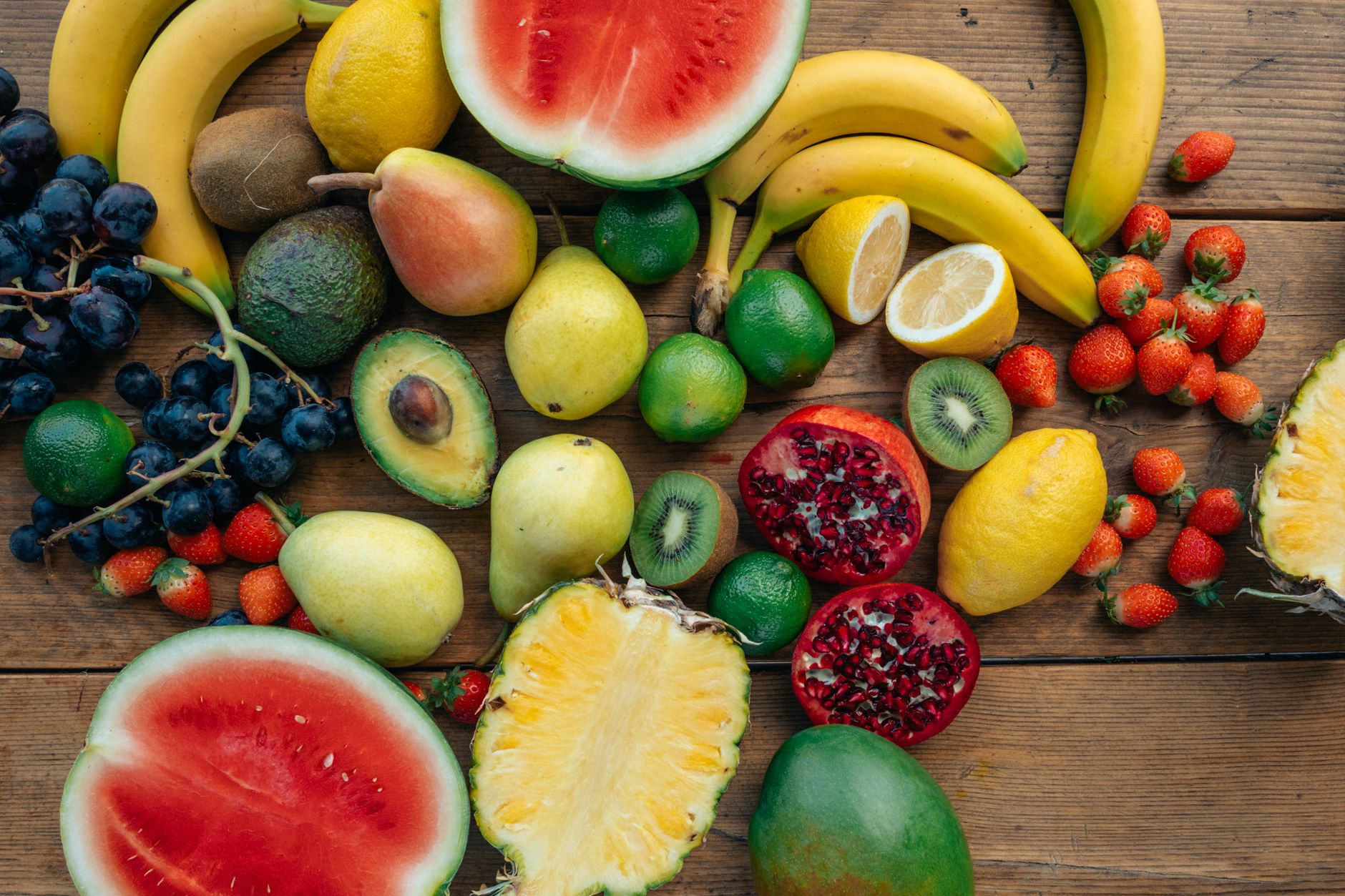
Nutritious foods are essential for maintaining good health and well-being. They provide the body with necessary vitamins, minerals, and other compounds that support various functions, from boosting the immune system to improving brain health. The flavor, texture, and versatility of these foods can enhance any meal, making them enjoyable as well as beneficial.
In this article, we will explore what constitutes nutritious foods, their distinctive characteristics, how to incorporate them into your diet, and practical tips for using them in your kitchen. Understanding and embracing nutritious foods can lead to a healthier lifestyle, making meal preparation more rewarding.
What Are Nutritious Foods?
Nutritious foods are naturally rich in vitamins, minerals, healthy fats, proteins, and other important nutrients, which are vital for maintaining health. Examples include fruits, vegetables, whole grains, nuts, seeds, and lean proteins. These foods not only provide energy but also support metabolic processes and overall bodily functions.
Characteristics of Nutritious Foods
To qualify as nutritious, foods typically possess several key characteristics:
- High Nutrient Density: Nutritious foods provide a significant amount of nutrients relative to their calorie content. They offer a good balance of macronutrients (carbohydrates, proteins, and fats) and micronutrients (vitamins and minerals).
- Low in Added Sugars and Unhealthy Fats: Foods with minimal added sugars and trans fats contribute to better health. Instead, they contain healthy fats, such as those found in avocados and nuts.
- Whole and Unprocessed: Whole foods such as fruits and vegetables are often less processed and contain fewer additives or preservatives.
- Variety of Colors and Textures: Nutritious foods come in various colors, indicating the presence of different phytochemicals and nutrient profiles. A colorful plate often represents a wider range of nutrients.
Types of Nutritious Foods
Fruits and Vegetables
Fruits and vegetables are among the most nutrient-dense foods available. They are packed with vitamins, minerals, dietary fiber, and antioxidants. A diet rich in fruits and vegetables can help reduce the risk of chronic diseases.
- Berries: Rich in antioxidants, vitamins C and K, and fiber.
- Leafy Greens: Spinach, kale, and Swiss chard are high in vitamins A, C, K, and minerals like calcium and iron.
- Citrus Fruits: Oranges and lemons provide vitamin C and flavonoids known for boosting immunity.
- Cruciferous Vegetables: Broccoli and Brussels sprouts contain compounds that may help fight cancer.
Whole Grains
Whole grains retain all parts of the grain kernel—bran, germ, and endosperm—providing fiber, B vitamins, and a range of minerals. Whole grains help regulate blood sugar and maintain digestive health.
- Brown Rice: A versatile grain that provides magnesium, phosphorus, and B vitamins.
- Quinoa: A complete protein source, rich in fiber and several essential nutrients.
- Oats: High in soluble fiber, which can help reduce cholesterol levels.
Nuts and Seeds
Nuts and seeds are excellent sources of healthy fats, protein, and fiber. They are nutrient-dense and can keep you satisfied between meals.
- Almonds: Rich in vitamin E, magnesium, and antioxidants.
- Chia Seeds: Packed with omega-3 fatty acids, fiber, and protein, they can be added to a variety of dishes.
- Walnuts: High in omega-3 fatty acids and beneficial phytochemicals.
Lean Proteins
Lean proteins are vital for muscle growth, repair, and overall bodily functions. Including a variety of protein sources in your diet can help ensure you receive the necessary amino acids and nutrients.
- Chicken Breast: A low-fat source of protein.
- Fish: Salmon and sardines are high in omega-3 fatty acids and other essential nutrients.
- Legumes: Beans, lentils, and peas provide protein, fiber, and minerals.
Incorporating Nutritious Foods into Your Diet
Including nutritious foods in your meals and snacks can lead to better health outcomes. Here is how to effectively incorporate them into your diet:
Plan Balanced Meals
When planning meals, aim to include a variety of food groups to create balanced plates. A general guideline is to fill half your plate with fruits and vegetables, a quarter with whole grains, and a quarter with lean proteins. For example, you could prepare a quinoa salad with mixed vegetables and grilled chicken.
Snack Wisely
Choose snacks that contribute to your nutritional goals—think nuts, yogurt, or fresh fruit rather than chips or cookies. For example, pair apple slices with almond butter for a satisfying and nutrient-rich snack.
Experiment with Cooking Techniques
Incorporate cooking methods that retain the nutrients of foods. Steaming, roasting, and sautéing are great ways to prepare vegetables while keeping their vibrant colors and nutritional content intact. For example, roasting broccoli enhances its sweetness and flavor while maintaining its nutritional value.
Grow Your Own
Consider starting a small garden or using window boxes to grow your own herbs, vegetables, or fruits. Homegrown produce can be fresher and more flavorful, encouraging you to incorporate them into your meals.
Taste and Texture in Nutritious Foods
The taste and texture of nutritious foods can significantly influence meal enjoyment and satisfaction. Here are some ways to savor these foods:
Flavors
Nutritious foods come with diverse flavors, ranging from sweet fruits to savory vegetables. Complement these flavors by using herbs, spices, and healthy sauces. For example, a sprinkle of cinnamon can enhance oatmeal, while garlic, lemon, and olive oil can elevate steamed vegetables.
Textures
The texture of food contributes to the overall dining experience. Combining crunchy nuts with creamy yogurt, tender steamed vegetables, and hearty grains can create a pleasing mouthfeel. Experiment with mixing textures—such as adding toasted pumpkin seeds to a mixed greens salad.
Practical Tips for Using Nutritious Foods
Storage and Freshness
Proper storage can help maintain the freshness and nutrient quality of your foods:
- Fruits and Vegetables: Store fresh produce in the refrigerator to extend freshness; remove any damaged items to prevent spoilage.
- Nuts and Seeds: Keep them in airtight containers in a cool, dark place to prevent rancidity.
- Whole Grains: Store in a dry container, away from moisture and heat.
Common Cooking Mistakes
To get the most out of nutritious foods, avoid common cooking mistakes:
- Overcooking Vegetables: This can lead to nutrient loss. Aim to cook them just until tender.
- Relying on Processed Options: Whenever possible, choose whole or minimally processed foods for maximum benefits.
- Neglecting Seasoning: Use herbs and spices to enhance the natural flavors of nutritious ingredients.
Practical Substitutions for Nutritious Foods
When cooking, it’s helpful to know substitutions to maintain nutrition and flavor:
Substitutions in Cooking
- Replace white rice with quinoa or brown rice for added fiber and nutrients.
- Substitute Greek yogurt for sour cream in dressings or dips to boost protein.
- Use avocado instead of butter or mayonnaise for healthier fat content in recipes.
Flavor Enhancement Alternatives
- For sweetness, consider using mashed bananas or applesauce instead of refined sugar in baked goods.
- Swap fresh herbs or spices for salty flavorings to enhance dishes without added sodium.
Meal Prep with Nutritious Foods
Batch cooking and meal prepping can simplify healthy eating throughout the week:
Planning Your Prep
Start by selecting recipes that use similar ingredients to reduce waste. For example, if you cook quinoa for a salad, reserve some for a stir-fry later. Before you begin cooking, chop vegetables and measure out ingredients. This organized approach makes the process smoother.
Storing Meal Preps
Use clear containers to store prepped meals, labeled with dates, to keep everything organized and fresh. Keep in mind that different meals have varying shelf lives; cooked grains typically last 4-6 days in the refrigerator while salads may only last about 2-3 days.
Conclusion
Nutritious foods are essential for maintaining health while still offering a delightful dining experience. By understanding what qualifies as nutritious and adopting practical meal planning and preparation techniques, you can easily incorporate them into your daily routine. The process of preparing and enjoying these foods can enhance not only your diet but also your overall wellbeing.
For more information on the benefits of specific nutritious foods, consider exploring additional details on chia seeds or try out a chia pudding recipe with coconut milk for a delicious snack that aligns with your nutritious eating goals.