
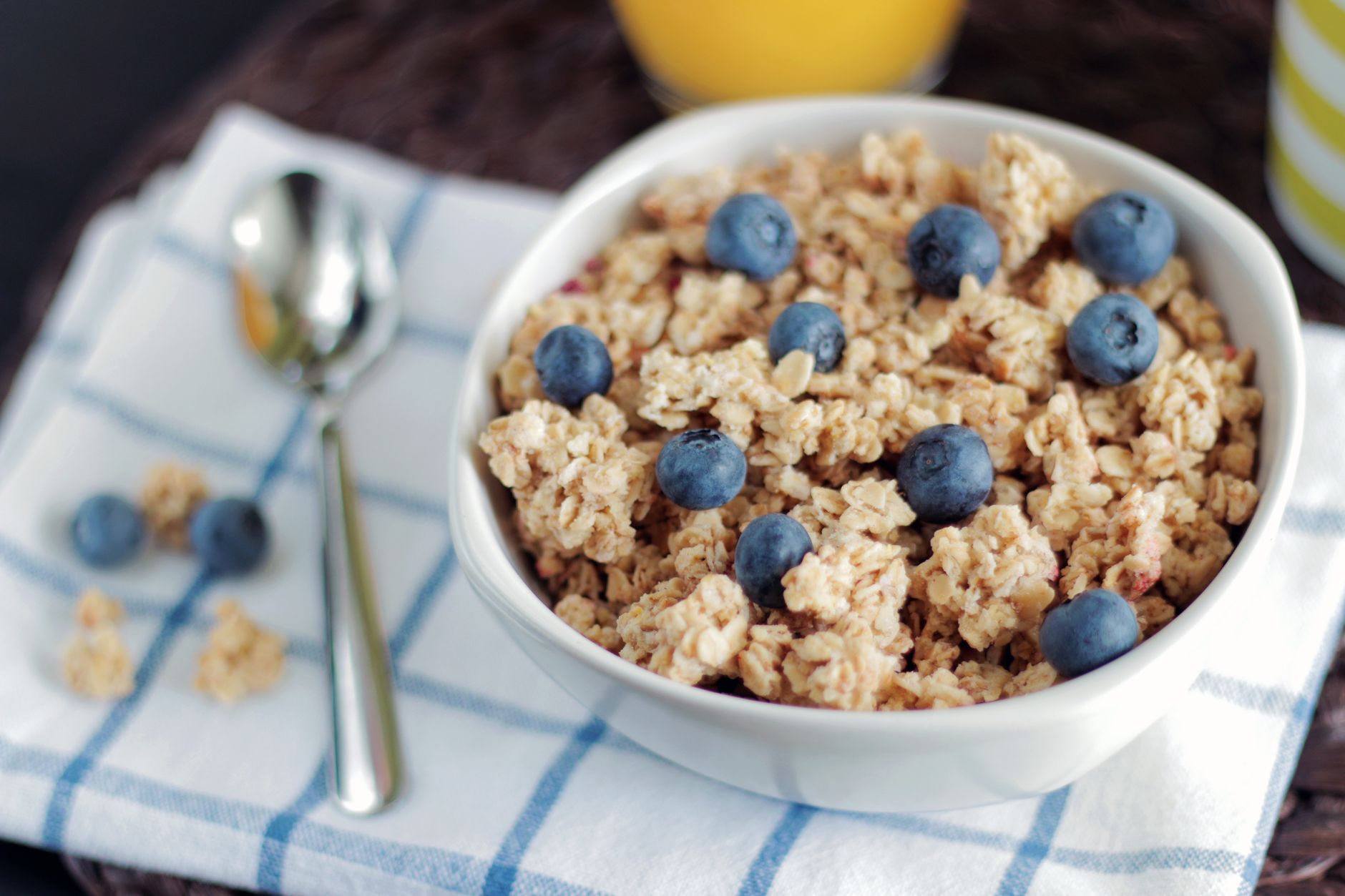
Fiber is an essential part of a healthy diet and plays a significant role in digestion, weight management, and overall well-being. Understanding what constitutes good fiber and how to incorporate it into meals can enhance your nutritional intake. This article explores the types of fiber, their benefits, and practical ways to ensure you’re getting enough fiber in your diet.
With rising awareness about nutrition, many individuals are seeking ways to enhance their dietary fiber intake. We will delve into the different types of fiber, good sources of fiber-rich foods, serving sizes, and easy ways to include them in your meals.
What Is Good Fiber?
Good fiber refers to components of plant-based foods that aid digestion, help regulate blood sugar levels, and promote feelings of fullness. There are two main types of dietary fiber: soluble and insoluble.
Types of Dietary Fiber
To understand fiber’s functions effectively, it’s essential to differentiate between the two types:
- Soluble Fiber: This type dissolves in water and forms a gel-like substance in the digestive tract. It is found in foods like oats, beans, fruits, and some vegetables. Soluble fiber can help lower cholesterol levels and stabilize blood sugar levels.
- Insoluble Fiber: This type does not dissolve in water. It helps add bulk to the stool and promotes regular bowel movements. Found in whole grains, nuts, seeds, and the skins of fruits and vegetables, insoluble fiber supports digestive health.
Benefits of Good Fiber
Incorporating adequate fiber into your diet comes with various health benefits:
- Improved Digestive Health: Fiber aids in digestion by preventing constipation and regulating bowel movements.
- Weight Management: Foods high in fiber can help you feel fuller for longer, which can reduce overall food intake.
- Heart Health: Soluble fiber can help lower cholesterol levels, reducing the risk of heart disease.
- Blood Sugar Regulation: Fiber, particularly soluble fiber, can help slow the absorption of sugar, leading to better blood sugar control.
- Gut Health: A high-fiber diet supports a healthy microbiome, as fiber acts as a prebiotic, feeding beneficial gut bacteria.
Good Sources of Fiber
To ensure you’re getting enough fiber, incorporate a variety of fiber-rich foods into your meals. Here are some excellent sources:
Fruits
- A medium-sized pear: about 5.5 grams of fiber
- An apple with skin: approximately 4.4 grams of fiber
- A banana: around 3.1 grams of fiber
- Raspberries: about 8 grams of fiber per cup
Vegetables
- Carrots: about 4 grams of fiber per cup (raw)
- Broccoli: approximately 5.1 grams of fiber per cup (cooked)
- Brussels sprouts: around 4 grams of fiber per cup (cooked)
- Sweet potatoes (with skin): about 4 grams of fiber in a medium-sized potato
Whole Grains
- Quinoa: approximately 5 grams of fiber per cup (cooked)
- Brown rice: about 3.5 grams of fiber per cup (cooked)
- Oats: approximately 4 grams of fiber per cup (cooked)
- Whole grain bread: about 2-4 grams of fiber per slice, depending on the brand
Legumes and Nuts
- Black beans: around 15 grams of fiber per cup (cooked)
- Chickpeas: approximately 12.5 grams of fiber per cup (cooked)
- Lentils: about 15.5 grams of fiber per cup (cooked)
- Chia seeds: around 10 grams of fiber per ounce
- Almonds: approximately 3.5 grams of fiber per ounce
Recommended Daily Intake
The recommended daily fiber intake varies by age and gender:
- Women: 25 grams per day
- Men: 38 grams per day
- Children and adolescents generally require between 19-34 grams per day, depending on their age
It’s important to gradually increase your fiber intake to prevent gastrointestinal discomfort. Additionally, be sure to drink plenty of water to help fiber do its job effectively.
How to Incorporate More Fiber Into Your Diet
Here are some practical tips for boosting your fiber intake:
Start Your Day Right
Choosing a fiber-rich breakfast can set a good tone for the rest of the day. Consider:
- Overnight oats topped with fruits and nuts.
- Whole grain toast with avocado or nut butter.
- Smoothies made with leafy greens, berries, and chia seeds.
Snack Smart
Replace less healthy snacks with high-fiber options:
- Fresh fruits like apples or pears.
- Raw vegetables with hummus.
- Nuts and seeds.
Revamp Your Meals
Add fiber to your lunches and dinners:
- Include a side of steamed broccoli or Brussels sprouts.
- Opt for brown rice or whole-grain pasta instead of white rice or regular pasta.
- Incorporate legumes into soups, salads, and casseroles.
Read Labels and Choose Wisely
When shopping, check food labels for fiber content:
- Look for cereals with at least 5 grams of fiber per serving.
- Select whole grain bread and pasta. The first ingredient should specify whole grain.
- Choose snack bars with whole food ingredients and at least 3-5 grams of fiber.
Cooking Tips for High-Fiber Foods
To maximize the fiber content while still enjoying delicious meals, consider the following cooking tips:
- Keep the skins on fruits and vegetables when possible, as they contain valuable fiber.
- Cook legumes and whole grains in bulk and add them to various dishes, such as salads, soups, and stir-fries.
- Use high-fiber ingredients as fillers in recipes, such as adding shredded carrots to muffins or baked goods.
Common Mistakes to Avoid
When increasing fiber in your diet, be sure to avoid these common pitfalls:
- Sedentary Lifestyle: Increasing fiber intake without also increasing physical activity can lead to bloating and discomfort.
- Excessive Intake: Trying to incorporate too much fiber too quickly can result in gastrointestinal distress. Aim to increase your intake gradually.
- Ignoring Hydration: Not drinking enough water when increasing fiber can lead to constipation. Aim for at least 8 cups of water daily.
Meal Planning with Fiber
For those keen on meal planning, it’s easy to create a fiber-rich eating plan. Here’s how to get started:
- Plan Your Meals: Each meal should include a high-fiber element, such as whole grains, fruits, or vegetables.
- Batch Cooking: Prepare fiber-rich foods like beans and grains in advance to include in various dishes throughout the week.
- Grocery List: Create a shopping list prioritizing fiber-rich foods to ensure you have enough supplies for balanced meals.
Fiber-Rich Recipes to Try
Here are a few easy recipe ideas that are rich in fiber:
Black Bean and Quinoa Salad
- Ingredients:
- 1 cup of cooked black beans
- 1 cup of cooked quinoa
- 1 diced bell pepper
- 1/2 cup of corn
- 1/4 cup of chopped cilantro
- Juice of 1 lime
- Salt and pepper to taste
- Instructions:
- In a bowl, combine cooked quinoa, black beans, bell pepper, corn, and cilantro.
- Drizzle with lime juice, then season with salt and pepper.
- Toss all ingredients until well mixed. Serve chilled or at room temperature.
Overnight Chia Seed Pudding
- Ingredients:
- 1/4 cup chia seeds
- 1 cup almond milk
- 1 tablespoon maple syrup or honey
- 1/2 teaspoon vanilla extract
- Fresh fruit for topping
- Instructions:
- In a bowl, whisk together chia seeds, almond milk, maple syrup, and vanilla extract.
- Cover and refrigerate overnight.
- Before serving, stir and top with fresh fruit.
Storage and Preservation of Fiber-Rich Foods
Proper storage helps maintain fiber quality and freshness:
- Keep whole grains, nuts, and seeds in a cool, dry place or refrigerate them to prolong shelf life.
- Store fresh fruits and vegetables in the refrigerator to maintain their fiber content and prevent spoilage.
- Use airtight containers for pre-cooked legumes and grains and consume them within a week for optimal freshness.
By understanding what good fiber is and how to incorporate it into your daily meals, you can promote better health and digestive function. Aim for a varied intake of fiber-rich foods to reap maximum benefits and enhance your overall well-being.
For further guidance on incorporating fiber into your diet, consider checking out our articles on whether kale has fiber or how much fiber is in a banana. Explore these resources to deepen your understanding of fiber-rich foods!