
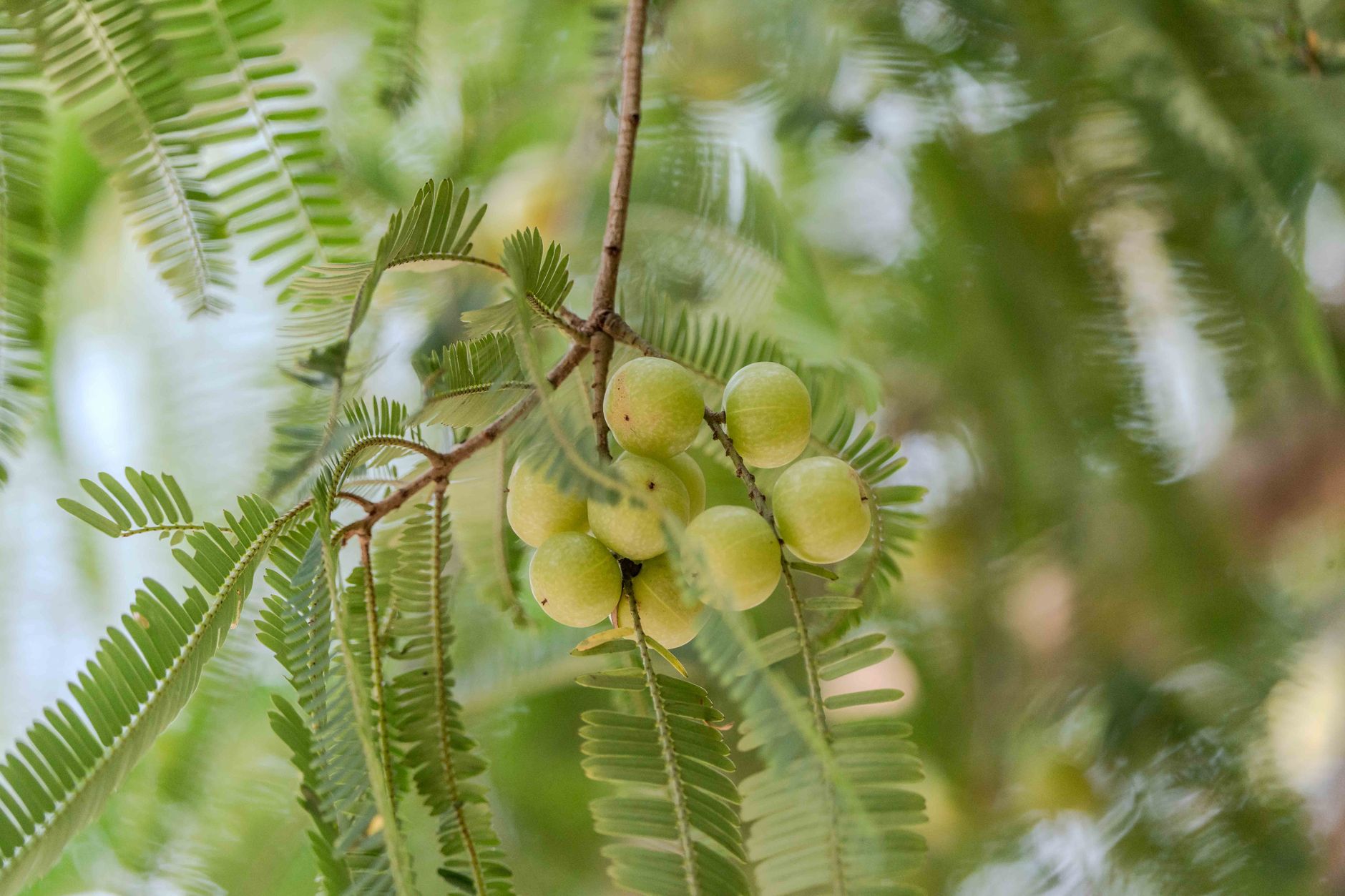
Amla, also known as Indian gooseberry, has gained significant attention for its myriad health benefits and culinary applications. This small, nutrient-rich fruit, native to India, is touted for its impressive antioxidant properties and versatility in both savory and sweet dishes.
In this article, we will explore what amla is good for beyond its health benefits, including its nutritional profile, how to incorporate it into your meals, and practical storage tips for this unique fruit.
What Is Amla Good for?
Amla is beneficial for boosting immune health, improving digestion, enhancing skin health, and promoting hair growth. Its high concentration of vitamin C, antioxidants, and other vital nutrients makes it a valuable addition to various diets.
Nutritional Facts of Amla
Amla is low in calories and rich in essential nutrients. Here’s a brief overview of its nutritional profile per 100 grams:
- Calories: 48
- Carbohydrates: 11.7 g
- Protein: 0.9 g
- Fat: 0.6 g
- Fiber: 4.3 g
- Vitamin C: 600 mg (about 600% of the Daily Value)
- Calcium: 30 mg
- Iron: 1.2 mg
- Vitamin A: 290 IU
This fruit is exceptionally high in vitamin C, making it a powerful antioxidant. Additionally, it contains phenolic compounds, tannins, and flavonoids, which contribute to its health benefits.
Health Benefits of Amla
1. Immune System Support
The high vitamin C content in amla is a remarkable immune booster. Regular consumption can help enhance the body’s natural defense mechanisms, making it less prone to infections and diseases.
2. Digestive Health
Amla serves as a natural remedy for digestive issues due to its high fiber content. It aids in digestion, promotes regular bowel movements, and can help manage conditions such as constipation and indigestion.
3. Skin Health
Known for its rejuvenating properties, amla can enhance skin health by combating free radicals, preventing premature aging, and promoting a youthful complexion. It may also help with conditions like acne and skin irritation when consumed or applied topically.
4. Hair Health
Amla is often used in hair care products due to its ability to strengthen hair follicles, reduce hair loss, and improve overall hair texture and shine. It is believed to enhance scalp health by reducing dandruff and promoting hair growth.
5. Heart Health
The antioxidants in amla can aid in reducing cholesterol levels and managing blood pressure, thus promoting heart health. Regular consumption may lower the risk of heart disease.
How to Incorporate Amla into Your Diet
Amla is incredibly versatile and can be used in various culinary preparations. Here are some suggestions for incorporating this nutrient-packed fruit into your meals:
1. Fresh Amla
Fresh amla can be consumed raw, though its tart flavor may take some getting used to. Cut it into slices, sprinkle with salt or sugar, or dip it in honey for a sweeter taste.
2. Amla Juice
Amla juice is a refreshing way to enjoy the fruit’s benefits. You can either purchase it ready-made or make it at home. To prepare fresh amla juice:
- Wash 4-5 fresh amla berries and chop them into small pieces.
- Add them to a blender with a cup of water and blend until smooth.
- Strain the mixture using a fine mesh strainer or cheesecloth.
- Add honey or lemon for added flavor if desired.
Serve chilled for a refreshing drink.
3. Amla Powder
Dried and powdered amla is available in health stores and can easily be added to smoothies, yogurt, or oatmeal. You can also use it in baking to enhance the nutritional value of baked goods.
4. Amla Pickles
Amla pickles are a popular condiment in Indian cuisine. They are typically made by marinating amla in spices, lemon juice, and salt. These pickles can be served as a tangy side dish with meals.
5. Amla in Cooking
Incorporate amla into various dishes, from curries to salads. It can be cooked to reduce its tartness or added raw for a zesty flavor. Here is a simple recipe for amla chutney:
- Ingredients needed:
- 2 fresh amla, pitted and chopped
- 1 green chili (adjust to taste)
- 1 teaspoon ginger, grated
- 1 tablespoon of jaggery (or sugar)
- Salt to taste
- Coriander leaves, chopped
- Method:
- Combine all the ingredients in a blender.
- Blend until you obtain a smooth paste.
- Taste and adjust salt or sweetness as needed.
- Serve with rice or as a side condiment.
Practical Storage Tips for Amla
Proper storage can help maintain the freshness and nutritional value of amla. Here are some tips:
1. Storing Fresh Amla
Fresh amla can be stored at room temperature for a few days but is best kept in the refrigerator to extend its shelf life. Place the fruit in a perforated plastic bag in the crisper drawer.
2. Dried Amla
Dried amla should be stored in an airtight container in a cool, dry place to prevent moisture from degrading its quality. Properly stored, it can last for several months.
3. Amla Juice and Extracts
Homemade amla juice should be consumed within a week but can be refrigerated. Commercial amla juice often contains preservatives and may have a longer shelf life; check the expiration date on the packaging.
Common Mistakes When Using Amla
While incorporating amla into your diet is relatively straightforward, there are a few common missteps to avoid:
- Not washing properly: Always wash fresh amla thoroughly to remove pesticides and dirt before consumption.
- Overcooking: Cooking amla excessively can diminish its nutritional value and intense flavor, so it’s best added towards the end of the cooking process.
- Ignoring taste: If you’re new to amla, start with small quantities and find ways to balance its tartness in your recipes.
Practical Considerations
While amla is safe for most people, those with specific health conditions or dietary restrictions should consult a healthcare professional before significantly increasing their intake.
Additionally, the flavor of amla may be an acquired taste, especially for those used to sweeter fruits. Exploring various preparations can help find the right fit for individual preferences.
Final Thoughts
In summary, amla is a versatile fruit packed with nutritional benefits and can enhance both flavor and health in various dishes. From smoothies to chutneys to pickles, there are countless ways to enjoy it. Don’t hesitate to experiment with it in your kitchen.
Consider adding it to your shopping list during your next grocery run or visit a local farmer’s market for fresh options. Amla can truly elevate your meals while contributing to your overall well-being.
Explore more interesting dishes and insights, such as our chia pudding recipe with coconut milk or learn about the benefits of chia seeds to expand your culinary repertoire.