
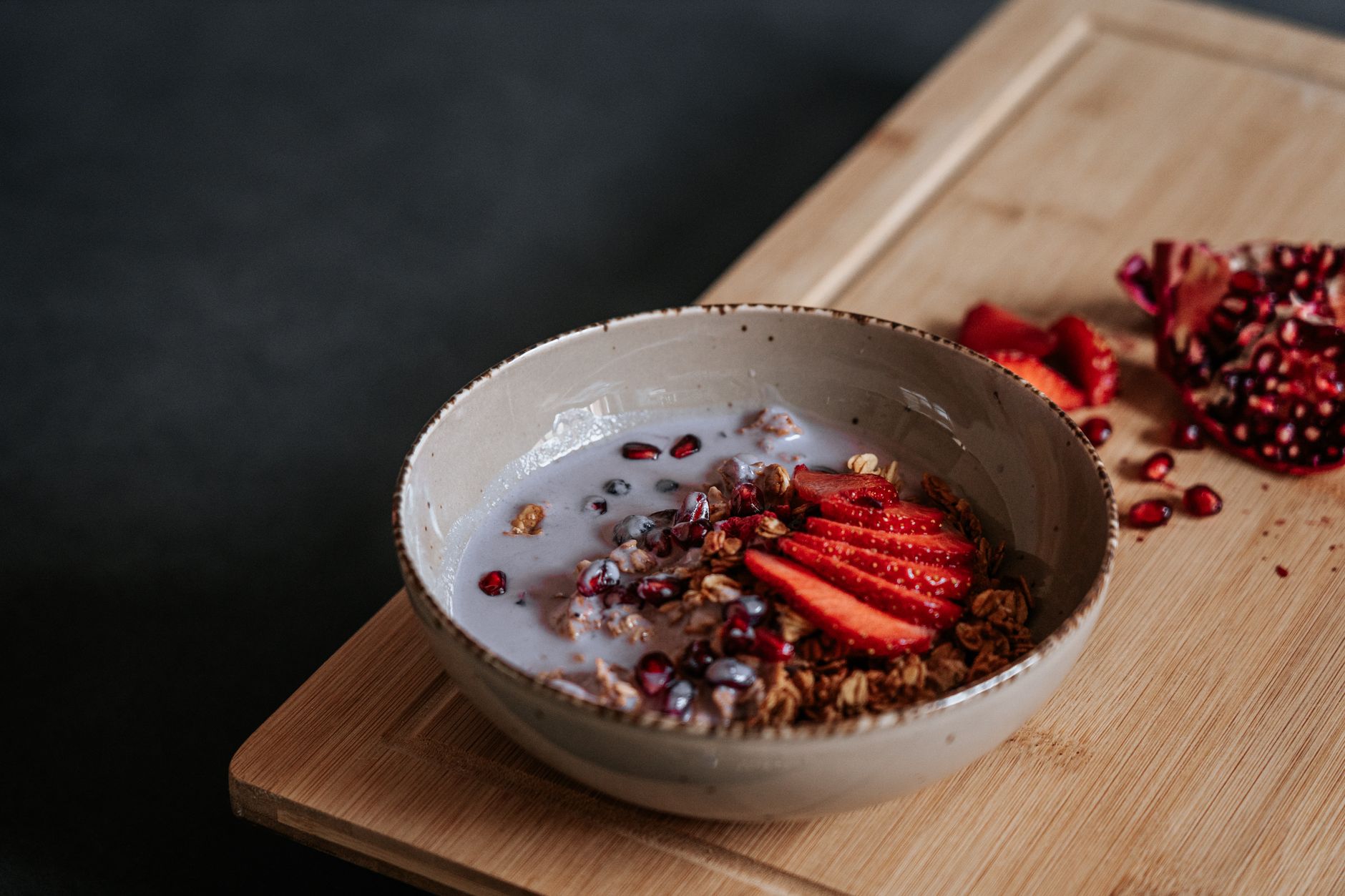
Whole milk yogurt has gained popularity in recent years, touted for its creamy texture and potential health benefits. People often wonder if it is a nutritious choice for their diets. This article will explore the nutritional aspects of whole milk yogurt, its potential health benefits, suitable portion sizes, and practical ways to include it in your meals.
Adding whole milk yogurt to your diet can enhance meals with flavor, texture, and beneficial nutrients. Understanding its benefits and how to use it effectively can help you make informed choices.
Is Whole Milk Yogurt Good for You?
Yes, whole milk yogurt can be a nutritious part of your diet. It provides healthy fats, protein, and probiotics while being rich in essential vitamins and minerals. Including it in moderation can contribute to a balanced diet.
Nutritional Profile of Whole Milk Yogurt
Whole milk yogurt is made from whole cow’s milk and contains higher fat content than low-fat or non-fat yogurts. Here’s a breakdown of its nutritional composition compared to regular yogurt:
| Nutrient | Whole Milk Yogurt (1 cup) | Low-Fat Yogurt (1 cup) |
|---|---|---|
| Calories | 149 | 154 |
| Protein | 8.5g | 9g |
| Fat | 8g | 4g |
| Carbohydrates | 12g | 19g |
| Sugar | 11g | 11g |
| Calcium | 30% DV | 30% DV |
| Vitamin B12 | 17% DV | 20% DV |
Health Benefits of Whole Milk Yogurt
Whole milk yogurt offers several health benefits that can enhance your overall well-being:
1. Rich Source of Probiotics
Whole milk yogurt is a fermented food rich in probiotics, which are beneficial bacteria that support gut health. A healthy gut microbiome can enhance digestion and boost your immune system.
2. High in Nutrients
This yogurt is loaded with essential nutrients, including calcium, vitamin B12, and potassium. Calcium is vital for bone health, while vitamin B12 plays a crucial role in brain function and red blood cell formation.
3. Satiety and Weight Management
The higher fat content in whole milk yogurt can promote a feeling of fullness, helping to curb cravings and support weight management. Healthy fats can be satisfying, reducing the likelihood of overeating.
4. Supports Heart Health
While whole milk yogurt contains saturated fat, recent studies suggest that full-fat dairy may not be linked to an increased risk of heart disease. Instead, it might offer some heart benefits when consumed as part of a balanced diet.
5. Versatile in Recipes
Whole milk yogurt is versatile and can be used in various culinary applications, from smoothies to salad dressings and even desserts. Its creamy texture can enhance the flavors and health benefits of any dish.
Portion Sizes and Usage Guidelines
While whole milk yogurt is nutritious, portion control is essential. Typically, a serving size is about ¾ to 1 cup. Here are some guidelines for incorporating whole milk yogurt into your diet:
- **Smoothies:** Add ½ to 1 cup of yogurt for a creamy texture and protein boost.
- **Breakfast Bowls:** Use as a base for oatmeal or granola; a serving of ½ cup is sufficient.
- **Salad Dressings:** Combine with herbs and spices; about ¼ cup adds flavor without excess calories.
- **Baking:** Use in place of sour cream or buttermilk; approximately 1 cup can replace 1 cup of these ingredients.
- **Dips:** Mix with herbs and spices for a light dip; about ½ cup can serve multiple people.
How to Choose and Store Whole Milk Yogurt
Choosing high-quality whole milk yogurt can enhance your experience. Here’s what to look for:
Choosing Whole Milk Yogurt
- **Ingredients:** Look for products with simple ingredients—milk, live cultures, and, if desired, a sweetener. Avoid yogurts with excessive additives or preservatives.
- **Active Cultures:** Check for live and active cultures on the label, which indicates that you’re getting probiotic benefits.
- **Flavor:** Unflavored varieties typically contain fewer added sugars. If you prefer flavor, opt for options with natural fruit or low sugar content.
Storing Whole Milk Yogurt
Store whole milk yogurt in the refrigerator at or below 40°F (4°C). Always check the expiration date and look for any signs of spoilage, such as an off smell or changes in texture.
Once opened, consume the yogurt within 5 to 7 days for the best quality. If you notice excess liquid, it can be stirred back in; this separation is natural and does not indicate spoilage.
Common Mistakes and Troubleshooting
Here are some common mistakes to avoid when using whole milk yogurt and tips for troubleshooting:
1. Not Checking Labels
Always read the nutrition label. Some flavored varieties can contain high amounts of sugars and preservatives that diminish their health benefits.
2. Overconsumption
While yogurt is nutritious, eating large amounts may lead to excess calories. Stick to recommended serving sizes for best results.
3. Assuming All Yogurts Are the Same
Not all yogurts have the same nutritional profile. Plain, whole milk yogurt is different from flavored, low-fat varieties, so choose wisely based on your dietary needs.
4. Underestimating Cooking Methods
When using yogurt in cooking, be cautious with high heat. Yogurt can curdle if added directly to hot liquids. Temper the yogurt by mixing it with a bit of the hot liquid before combining.
Ideas for Enjoying Whole Milk Yogurt
Incorporating whole milk yogurt into your meals can be enjoyable and straightforward. Here are some ideas:
- **Smoothie Bowl:** Blend yogurt with fruits like bananas and berries, then top with granola and seeds for texture.
- **Savory Dip:** Mix yogurt with garlic, lemon juice, and herbs for a refreshing dip for vegetables or pita.
- **Breakfast Parfait:** Layer yogurt, fresh fruits, and nuts in a glass for a delightful breakfast or snack.
- **Curry Base:** Use yogurt to create a creamy base for your favorite curry dishes for added richness.
- **Pancake Substitute:** Replace some milk in pancake or waffle recipes with yogurt for extra fluffiness.
Recipe Ideas Featuring Whole Milk Yogurt
To further inspire you, here are a few sample recipes where whole milk yogurt can shine:
1. Yogurt Parfait
This simple recipe is perfect for breakfast or a snack.
- Ingredients:
- 1 cup whole milk yogurt
- ½ cup granola
- 1 cup mixed berries (strawberries, blueberries, raspberries)
- Honey or maple syrup (optional)
- In a glass or bowl, layer half the yogurt at the bottom.
- Add half the granola, followed by half the berries.
- Repeat the layers again. Drizzle honey or syrup if desired.
2. Creamy Yogurt Dressing
This dressing is great on salads or as a dip.
- Ingredients:
- 1 cup whole milk yogurt
- 2 tbsp lemon juice
- 1 clove garlic, minced
- Salt and pepper to taste
- Chopped herbs (e.g., dill, parsley) (optional)
- In a bowl, combine the yogurt, lemon juice, garlic, and herbs.
- Season with salt and pepper to taste. Mix well.
- Refrigerate for at least 30 minutes before serving for flavors to meld.
Final Thoughts
Incorporating whole milk yogurt into your diet can be a delicious and nutritious choice. Its creamy texture, probiotic content, and rich nutrient profile make it a versatile ingredient for many dishes.
Make sure to choose high-quality yogurt, consider portion sizes, and enjoy the variety of ways to use it. With the right balance, whole milk yogurt can be a delightful addition to your meals.
Explore our related recipes and cooking tips to further enhance your culinary skills and discover more about the benefits of other healthy ingredients. Check out the benefits of chia seeds and how to make chia pudding with coconut milk.