
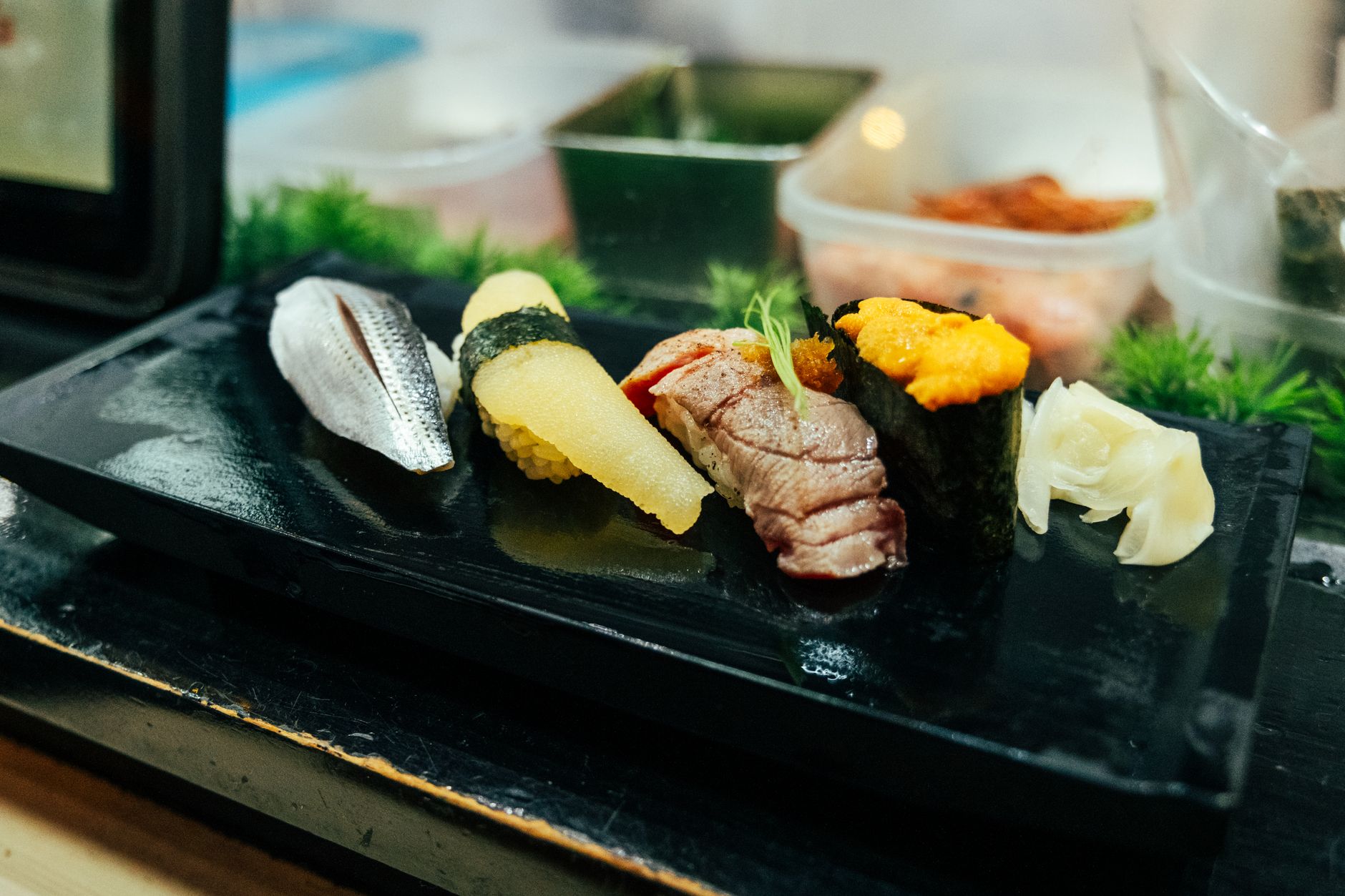
Uni, or sea urchin, is a delicacy that garners a mix of admiration and curiosity among food enthusiasts. This ingredient is celebrated for its unique flavor and creamy texture, but what exactly does it taste like? Understanding the nuances of uni can help you appreciate this culinary treasure and inspire you to incorporate it into various dishes.
In the following sections, we will explore the flavor and texture profiles of uni, discuss how to select and prepare it, and share serving ideas to elevate your dining experience.
What Does Uni Taste Like?
Uni has a complex flavor profile that’s often described as a combination of the ocean and a subtle sweetness. Its taste can be likened to the rich, briny notes of the sea, accompanied by a creamy or buttery finish. The texture is smooth and slightly gelatinous, which makes it stand out among other seafood. The experience of tasting uni is both unique and multifaceted, making it a gourmet ingredient in various cuisines.
Flavor Profile of Uni
The flavor of uni can be influenced by several factors, including the species of sea urchin and its habitat. There are generally two main types of uni commonly found in restaurants: the Pacific sea urchin (stronger flavor) and the Japanese sea urchin (milder flavor).
Brininess and Umami
Uni delivers a distinct briny flavor reminiscent of the sea, which is rich in umami. This natural savory taste is due to the amino acids present in the uni, enhancing the overall flavor of dishes in which it is used.
Sweetness
Alongside its briny taste, uni also exhibits a subtle sweetness that makes it appealing even to those who may not typically enjoy seafood. This diverse flavor profile makes it a versatile ingredient that can be paired with various foods.
Mint and Minerals
Some have described uni as having a slight minerality, which adds to its oceanic character. Depending on where the sea urchin is harvested, hints of green flavors such as mint or seaweed may also be present.
Texture of Uni
The texture of uni is one of its defining characteristics. It is creamy and smooth, with a delicate, almost custard-like quality. When fresh, it melts in your mouth, making it a luxurious eating experience. The texture can also vary slightly between different types of uni, typically falling into two categories: hard and soft.
Hard vs. Soft Uni
Hard uni tends to have a more pronounced structure and can offer a denser bite, while soft uni is creamier and more delicate. The choice between the two often depends on personal preference and the intended dish.
Selecting Fresh Uni
Selecting the best uni is essential for ensuring a pleasurable dining experience. Here are some tips for selecting fresh uni:
- Look for vibrant color: Fresh uni should have a bright orange or yellow hue, indicating ripeness and freshness.
- Check for firmness: Gently press on the uni; it should feel firm, not mushy.
- Smell the ocean: Fresh uni will have a mild ocean scent without any off-odors.
How to Prepare Uni
Preparing uni is straightforward, but care must be taken to maintain its delicate flavor and texture. Here are some essential steps to consider when handling uni:
Cleaning and Slicing
- Remove the shell: Use scissors or a knife to cut away the top of the sea urchin’s shell carefully.
- Extract the uni: Gently scoop out the bright orange or yellow uni with a spoon, avoiding any of the internal parts of the shell.
- Rinse gently: Rinse the uni in cold seawater or fresh water to remove any debris. Handle it delicately, as it can break easily.
Storing Uni
Uni is best consumed fresh and within a day or two of purchase. If you need to store it, follow these steps:
- Wrap the uni in a damp paper towel, then place it in an airtight container.
- Store in the coldest part of the refrigerator, ideally at a temperature between 32°F to 34°F (0°C to 1°C).
- Avoid freezing uni, as it can alter its flavor and texture significantly.
Serving Ideas for Uni
Uni can be served in various ways, each showcasing its flavor and texture. Here are some creative serving suggestions:
Sushi and Sashimi
One of the most popular ways to enjoy uni is in sushi or sashimi form. Served atop a small bed of sushi rice or simply sliced and served with soy sauce, wasabi, and pickled ginger, uni sushi highlights its natural taste and texture.
Pasta Dishes
Uni can elevate pasta dishes with its rich flavor. Consider tossing it with fresh, cooked pasta, olive oil, a sprinkle of lemon zest, and perhaps a dash of chili flakes for a delicious main course. The creamy texture of uni beautifully complements the pasta.
Uni Toast
Creating uni toast is an elegant and simple twist. Spread softened butter or cream cheese on toasted brioche or sourdough, and top with fresh uni, cilantro, and a drizzle of lemon juice for a savory snack or light appetizer.
Uni Risotto
Incorporate uni into a creamy risotto for an indulgent dish. Stir in the uni at the end of cooking, allowing its flavors to meld with the rice while preserving its delicate texture. Finish with a touch of parmesan and herbs for a rich meal.
Common Mistakes When Cooking With Uni
When working with uni, there are several common pitfalls to avoid:
- Overcooking: Uni should be added at the end of cooking; excessive heat can ruin its delicate flavor and texture.
- Not seasoning appropriately: While uni has a distinct flavor, it may benefit from complementary ingredients like citrus to enhance its taste.
- Using low-quality uni: Always source high-quality fresh uni for the best flavor. Frozen or poor-quality uni can lead to disappointing dishes.
Conclusion
Uni offers a complex blend of oceanic flavors and a creamy texture that can enhance many dishes. Whether you enjoy it in sushi, pasta, or as part of a unique appetizer, understanding its characteristics will help you appreciate this gourmet ingredient fully. Experiment with various ways to serve uni, and don’t shy away from creativity in your cooking.
For more ideas, consider exploring topics like making homemade spicy tuna rolls or learning about other sushi ingredients. There are endless culinary adventures waiting for you with ingredients like uni. Happy cooking!