
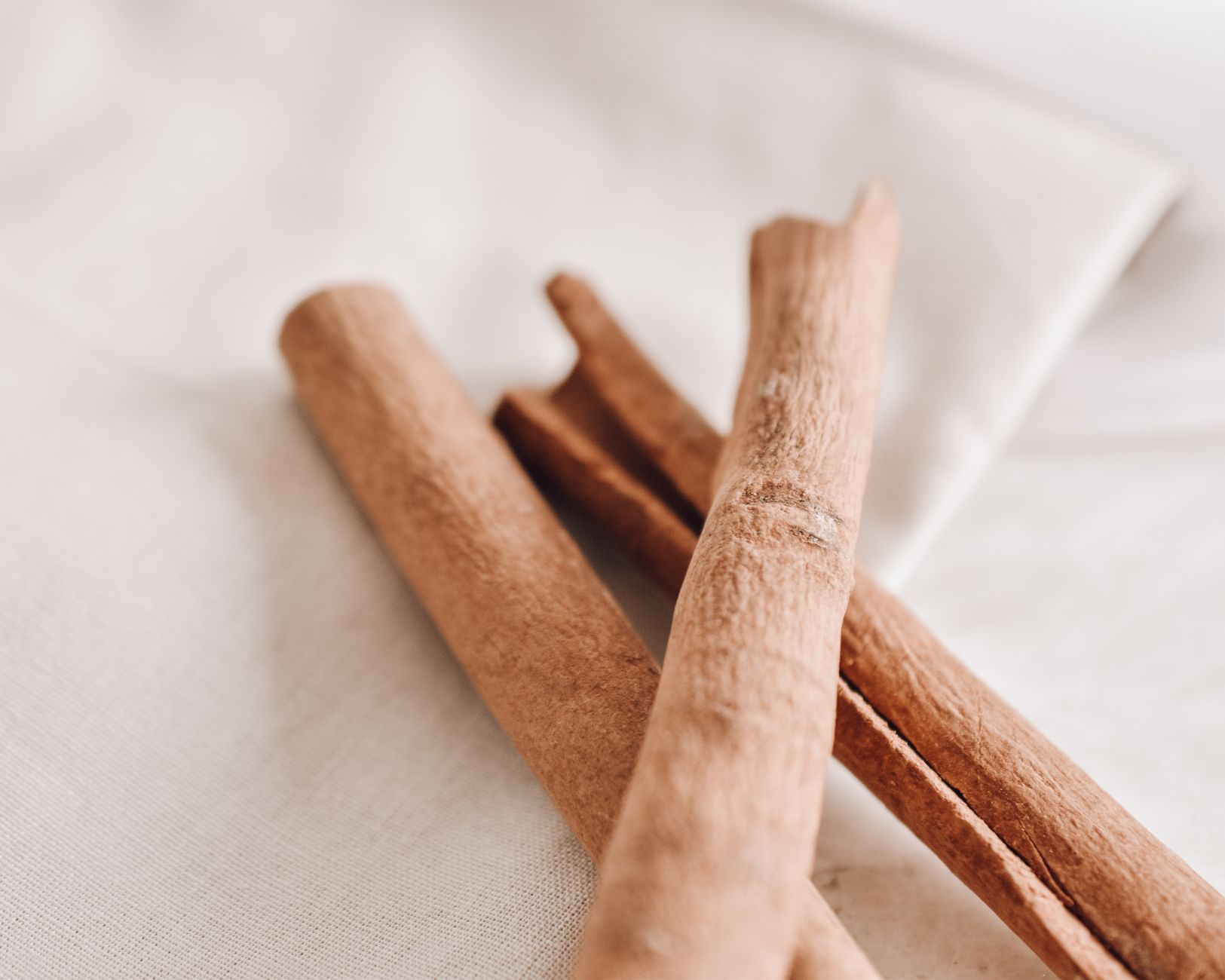
Cinnamon is one of the most popular spices around the world, known for its warm, sweet flavor and aromatic qualities. However, not all cinnamon is created equal, and choosing the right type can significantly impact your cooking and baking results. In this article, we will explore the different types of cinnamon, their uses in the kitchen, and tips for selecting the best cinnamon for your culinary needs.
Understanding the types of cinnamon available can enhance flavor in your dishes and improve your overall experience with this versatile spice. From sweet desserts to savory dishes, the right cinnamon can make a significant difference.
What Type of Cinnamon Is Best?
The best type of cinnamon depends on your culinary application, flavor preference, and health considerations. The two most common varieties are Ceylon cinnamon and Cassia cinnamon. Ceylon is often preferred for its delicate flavor and lower coumarin content, making it the healthier option. In contrast, Cassia cinnamon has a stronger flavor and may be more readily available and affordable.
The Two Main Types of Cinnamon
When discussing the best type of cinnamon, it is essential to differentiate between Ceylon cinnamon and Cassia cinnamon, as they have distinct flavors, costs, and health impacts.
Ceylon Cinnamon
Ceylon cinnamon, often referred to as “true cinnamon,” originates from Sri Lanka and is known for its sweet, mild flavor and light tan color. It has a more complex flavor profile than Cassia, including subtle citrus notes. Ceylon cinnamon is often considered the superior choice for cooking and baking, especially in dishes where the cinnamon’s flavor is meant to shine.
- Flavor: Sweet and mild with complex notes.
- Appearance: Light brown and has a thin, layered bark.
- Health Benefits: Lower coumarin content, which reduces health risks associated with high consumption levels.
Cassia Cinnamon
Cassia cinnamon is the more common variant found in grocery stores and is primarily sourced from China and Indonesia. It has a bolder and spicier flavor profile compared to Ceylon. The bark of Cassia is thicker, more textured, and has a deeper reddish-brown color. Cassia cinnamon is often used in commercial cinnamon products and provides a strong cinnamon flavor in baking.
- Flavor: Bold, spicy, and robust.
- Appearance: Darker, thicker, and more textured bark.
- Health Concerns: Higher coumarin levels, which may pose health risks if consumed in excess.
Flavor Profiles and Applications
Understanding the flavor profiles of Ceylon and Cassia cinnamon can help you choose the right one for your recipes. Each type offers unique characteristics that can enhance a variety of dishes.
Using Ceylon Cinnamon
Ceylon cinnamon is an excellent choice for recipes that showcase the spice’s subtleties. Here are some applications:
- Desserts: Ideal for baking cakes, pastries, and cookies where a complex flavor adds depth.
- Breakfast dishes: Perfect in oatmeal, yogurt, and smoothies for a lighter sweetness.
- Savory dishes: Works well in Moroccan tagines or Indian curries, where spice complexity is desired.
Using Cassia Cinnamon
Cassia cinnamon’s bold flavor makes it suitable for a range of culinary applications:
- Baking: Popular for cinnamon rolls, muffins, and bread where strong spices are favored.
- Hot drinks: Excellent in chai, hot chocolate, and coffee for a spicy kick.
- Spice blends: Commonly used in pumpkin spice and other seasoning mixes requiring a robust flavor.
Health Considerations
When choosing cinnamon, it’s essential to consider the health implications of regular consumption. Both types of cinnamon contain coumarin, a compound that can be harmful in large amounts.
Ceylon vs. Cassia: Coumarin Content
One of the most significant differences between Ceylon and Cassia cinnamon is their coumarin content. Ceylon cinnamon contains much lower levels, making it a safer choice for regular use.
- Ceylon Cinnamon: Contains less than 0.0004% coumarin.
- Cassia Cinnamon: Can contain as much as 5% coumarin.
Consuming high levels of coumarin could lead to liver damage and other health issues. Therefore, if you plan to use cinnamon frequently, especially in larger quantities, Ceylon cinnamon is recommended for its safety profile.
Buying and Storing Cinnamon
Properly selecting and storing cinnamon can preserve its flavor and health benefits. Here are some tips for choosing the best cinnamon for your kitchen.
Choosing Quality Cinnamon
When purchasing cinnamon, consider the following:
- Buy Whole Sticks: For maximum freshness and flavor, opt for whole cinnamon sticks. These can be ground at home using a spice grinder.
- Seal and Packaging: Purchase cinnamon packaged in airtight containers or vacuum-sealed bags to protect it from moisture and air.
- Look for Labels: Check the packaging for “Ceylon” or “true cinnamon” to ensure you are getting the right type.
Storage Tips
Proper storage can keep your cinnamon fresh for an extended period:
- Cool, Dark Place: Store cinnamon in a cool, dry place away from direct sunlight. A spice cabinet or pantry is ideal.
- Sealed Containers: Keep cinnamon in airtight jars or containers to prevent moisture absorption and pungent odor infiltration from other spices.
- Check Freshness: Ground cinnamon loses its flavor quicker than sticks, so replace ground cinnamon every six months to a year if not used regularly.
Practical Substitutions
If you find yourself out of your preferred cinnamon type, various substitutions can provide a similar flavor and aroma. Here are some practical alternatives:
- Allspice: Offers a warm and spicy flavor profile. Use in equal amounts as a one-to-one substitute for cinnamon.
- Nutmeg: Provides a sweet and slightly spicy flavor. Use about half the amount compared to cinnamon, as nutmeg can have a stronger taste.
- Cardamom: Has a sweet, aromatic profile and works well in both sweet and savory dishes. Replace cinnamon with the same quantity.
Common Mistakes to Avoid
Even experienced cooks can make occasional mistakes when working with cinnamon. Here are some common pitfalls to watch out for:
- Using the Wrong Type: Always double-check the type of cinnamon specified in a recipe to avoid an overpowering flavor or unexpected results.
- Underusing: Cinnamon is a spice that needs enough quantity to make a notable impact. Don’t skimp on it unless you’re adjusting for taste preferences.
- Storing Poorly: Avoid storing cinnamon in damp environments or unsealed containers, which can degrade its quality over time.
Cinnamon and Flavor Pairings
Cinnamon’s unique flavor allows it to pair well with many other ingredients. Here are some excellent combinations to try:
- Fruits: Pairs perfectly with apples, pears, bananas, and oranges.
- Spices: Combines well with nutmeg, cloves, and ginger for warm, spicy blends.
- Chocolate: Enhances the richness of chocolate desserts and dishes.
Conclusion
Choosing the best type of cinnamon ultimately depends on your flavor preference, cooking applications, and health considerations. Ceylon cinnamon remains the top choice for those seeking a mildly sweet flavor and lower coumarin content, whereas Cassia cinnamon is readily available and delivers a bold taste ideal for baking.
Incorporating different types of cinnamon into your cooking can elevate your dishes, so experiment with both types to discover your favorite. Whether you’re baking a sweet treat or adding warmth to a savory dish, knowing what type to use can significantly enhance your culinary creations.
To further explore cinnamon’s delicious potential, consider trying out some recipes such as a giant fluffy cinnamon roll or a creative cinnamon roll cheesecake.