
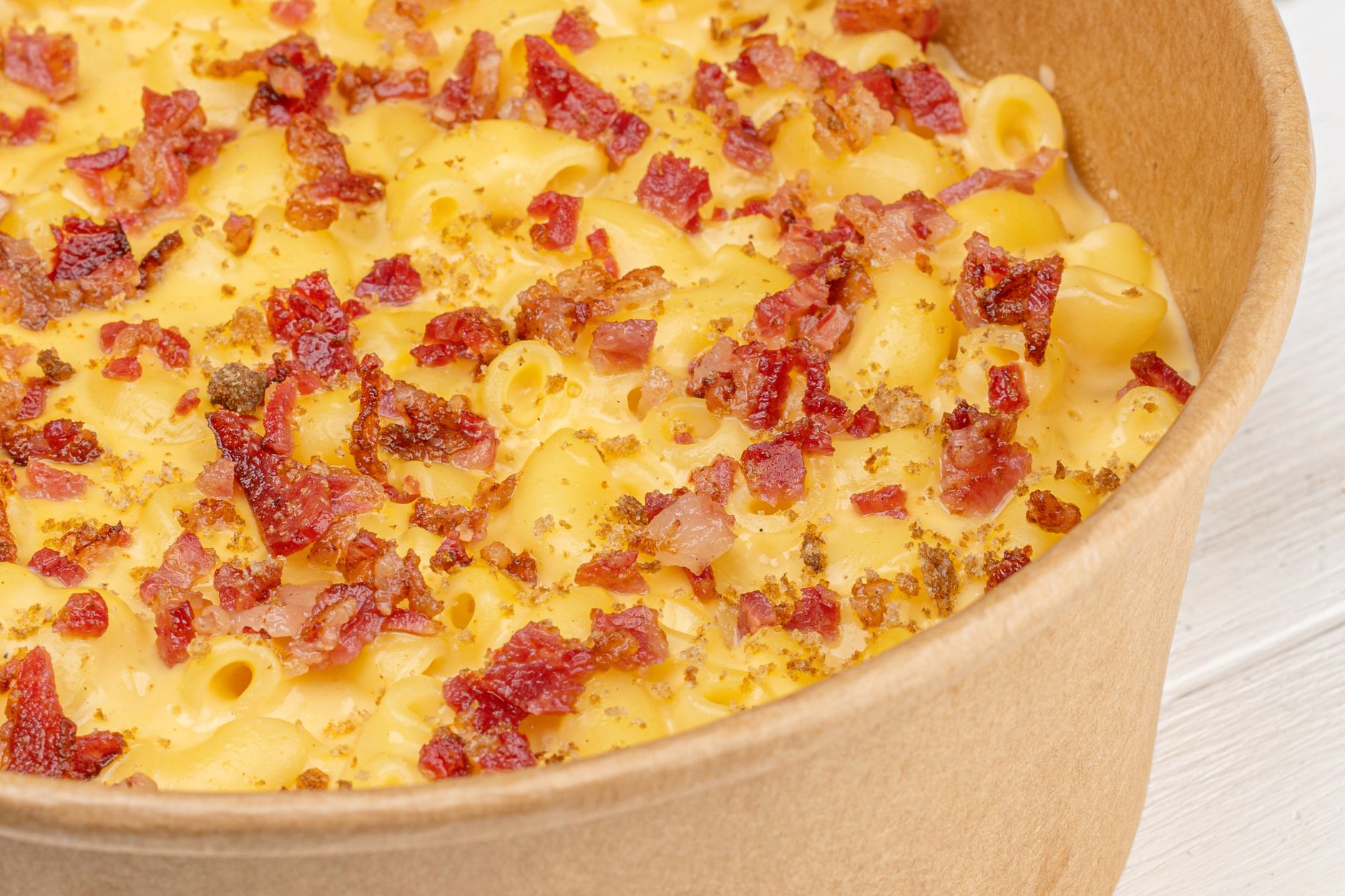
Mac and cheese is a beloved comfort food, known for its creamy texture and rich flavor. Preparing this classic dish ahead of time can streamline meal planning, making it a convenient choice for busy weeknights or gatherings. This article explores various strategies for making mac and cheese ahead of time, including storage and reheating methods.
Whether you prefer a simple stovetop version or a baked variety, you can enjoy delicious mac and cheese without the last-minute chaos in the kitchen. Let’s dive into the details of how to successfully make and store this classic dish.
Can You Make Mac and Cheese Ahead of Time?
Yes, you can make mac and cheese ahead of time. Preparing it in advance allows for convenience on busy days, and it can often taste even better after the flavors have melded together. Proper storage and reheating techniques are essential to maintaining its creamy texture and flavor.
Preparing Mac and Cheese Ahead of Time
When planning to make mac and cheese ahead of time, consider the following steps to ensure optimal taste and texture:
Choosing the Right Recipe
First, determine whether you want to prepare a stovetop or baked mac and cheese. Both versions can be made in advance, but they require slightly different methods for best results.
- Stovetop Mac and Cheese:This method involves cooking pasta and combining it with a cheese sauce on the stovetop. It is quick to prepare and reheats well.
- Baked Mac and Cheese: A baked version usually has a breadcrumb topping and a well-defined structure. It may need specific reheating techniques to retain its texture.
Ingredients for Mac and Cheese
The basic ingredients for mac and cheese include:
- Macaroni or pasta of choice (1 pound)
- Cheddar cheese (3 cups, shredded)
- Milk (2 cups)
- Butter (4 tablespoons)
- All-purpose flour (0.5 cup)
- Mustard powder (1 teaspoon)
- Salt and pepper to taste
- Breadcrumbs (optional, for baking)
Step-by-Step Instructions to Make Mac and Cheese Ahead of Time
- Cook the Pasta: In a large pot, bring salted water to a boil. Add the macaroni and cook until al dente, following package instructions. Drain and set aside.
- Make the Cheese Sauce: In the same pot, melt butter over medium heat. Stir in the flour until smooth, cooking for about 1 minute. Gradually whisk in the milk until the mixture is smooth and thickened. Add mustard powder, salt, pepper, and shredded cheese, stirring until melted.
- Combine: Add the cooked pasta to the cheese sauce, stirring until thoroughly combined. At this point, you can either serve immediately or prepare for storage.
- Storage: If making ahead, transfer the mac and cheese to a greased baking dish or airtight container. Allow it to cool completely before sealing. Cover with plastic wrap or a lid and refrigerate for up to 2 days.
Tips for Storing Mac and Cheese
To ensure your mac and cheese remains fresh and flavorful, follow these storage tips:
- Cool Properly: Allow the mac and cheese to cool to room temperature before refrigerating. This prevents condensation that can lead to sogginess.
- Use Airtight Containers: Store in an airtight container to maintain moisture and prevent changes in taste.
- Label and Date: Mark containers with the date, so you can track freshness easily.
- Freezing Option: For longer storage, consider freezing. Mac and cheese can be frozen for up to 3 months. Divide it into portion sizes before freezing to make reheating easier.
Reheating Mac and Cheese
When it’s time to enjoy your mac and cheese, proper reheating ensures optimal taste and texture. Here are methods for both stovetop and baked variations:
Reheating Stovetop Mac and Cheese
- Add Liquid: To prevent dryness, add a splash of milk or cream to the macaroni before reheating.
- Heat Gently: In a saucepan over low heat, stir frequently until heated through. This maintains creaminess and prevents burning.
Reheating Baked Mac and Cheese
- Remove from Fridge: Take the mac and cheese out of the refrigerator and let it sit at room temperature for about 30 minutes.
- Preheat the Oven: Set the oven to 350°F (175°C).
- Add Moisture: Pour a little milk over the top to keep it from drying out during baking.
- Bake: Cover with foil and bake for about 20-25 minutes, then remove the foil and bake for an additional 10 minutes until bubbly and golden brown.
Common Mistakes to Avoid
When preparing and reheating mac and cheese ahead of time, be mindful of these common pitfalls:
- Overcooking the Pasta: Cook pasta only until al dente; it will continue to cook when combined with the cheese sauce and heated later.
- Skipping the Cooling Period: Failing to cool mac and cheese properly before refrigerating can lead to moisture issues.
- Not Adding Liquid When Reheating: Avoid dry mac and cheese by adding milk or cream during the reheating process.
Flavor Variations and Substitutions
Mac and cheese is versatile, and various flavor enhancements can elevate it beyond the classic version. Here are some delightful variations and alternatives:
- Cheese Combinations: Experiment with different cheeses like Gruyère, Monterey Jack, or fontina for unique flavor profiles.
- Add Vegetables: Incorporating broccoli, spinach, or sundried tomatoes can increase nutrition and add color.
- Add Protein: Cooked bacon, ham, or shredded chicken can introduce heartiness to your dish.
- Spice It Up: Consider adding spices such as cayenne pepper, paprika, or garlic powder for an extra kick.
Conclusion
Making mac and cheese ahead of time is a practical solution for busy households. With proper preparation, storage, and reheating techniques, you can enjoy this comfort food with minimal effort on the day of serving. Take the opportunity to try some variations and additions to make the dish uniquely yours.
Explore additional recipes like the Kraft Mac and Cheese Recipe or even a delicious Smoked Mac and Cheese Recipe for more inspiration in your cooking adventures.