
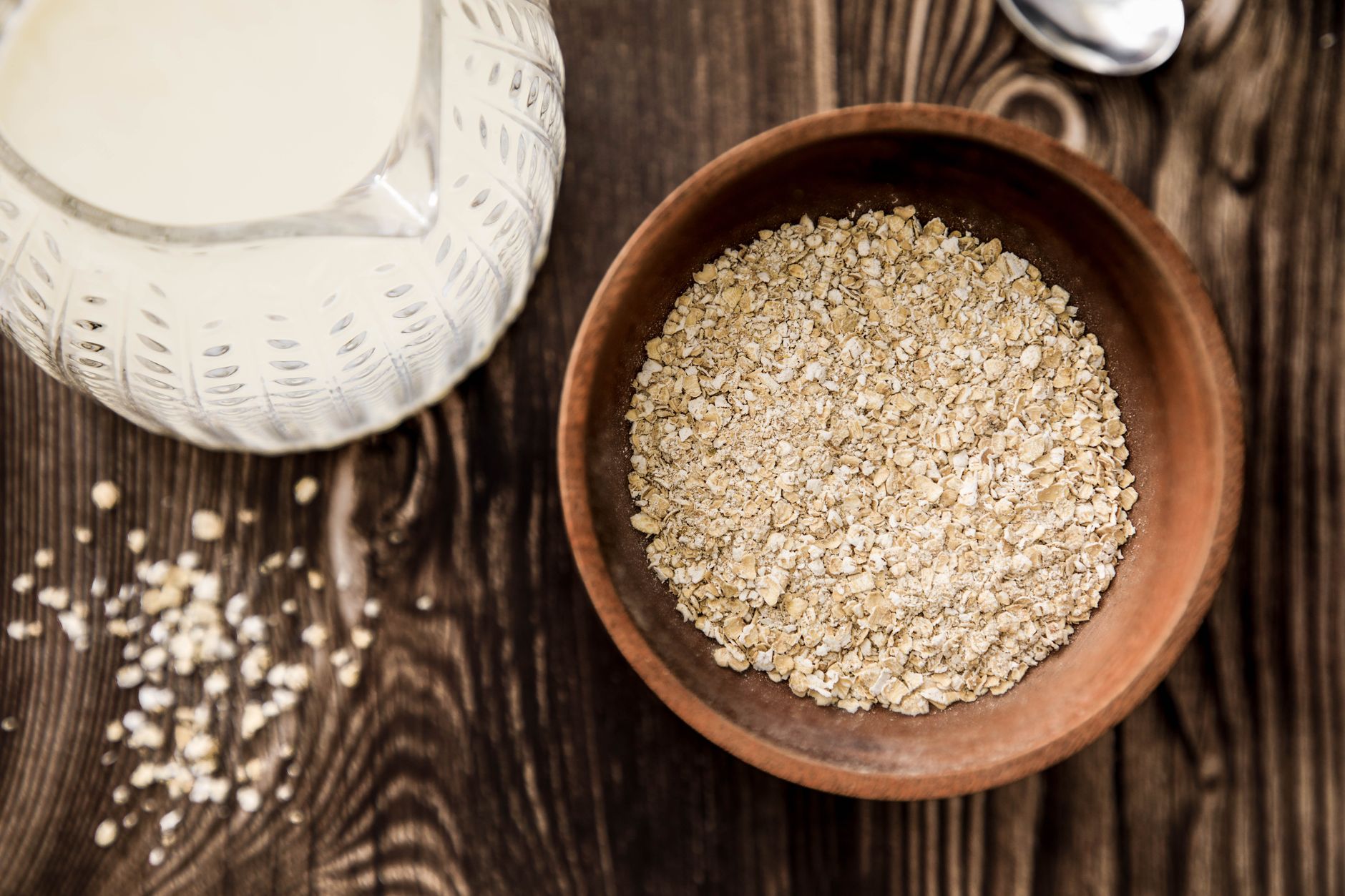
As plant-based alternatives gain popularity, many are asking, “Is oat milk better than regular milk?” The answer depends on various factors including dietary needs, environmental concerns, and flavor preferences. This article delves into the differences between oat milk and regular milk to help you make an informed choice.
Understanding the characteristics of both oat milk and regular milk, such as their nutritional composition, taste, texture, and uses, is essential. This exploration also looks at how they fit into different dietary lifestyles and their impact on the environment.
Is Oat Milk Better Than Regular Milk?
Oat milk may be a better choice for individuals seeking lactose-free options or those with dairy allergies, while regular milk is a rich source of protein and calcium. Preference often comes down to dietary needs, taste, and environmental impact.
Comparative Overview
To assess the differences effectively, let’s break them down into key categories:
- Nutritional Composition
- Taste and Texture
- Uses in Cooking and Baking
- Environmental Impact
- Dietary Considerations
Nutritional Composition
Oat milk and regular milk offer distinct nutritional profiles. Understanding these can help in making an informed choice.
Regular Milk
Regular cow’s milk is a robust source of protein and essential nutrients:
- Protein: Approximately 8 grams per cup. Essential for muscle repair and growth.
- Calcium: Around 300 mg per cup. Vital for bone health.
- Vitamin D: Often fortified, contributing to bone health and immune function.
- Fat Content: Available in varied fat levels—whole, 2%, 1%, and skim.
Oat Milk
Oat milk typically has less protein than regular milk, but it has its advantages:
- Protein: Approximately 2-4 grams per cup. Lower than cow’s milk.
- Fiber: Contains soluble fiber, which can support digestive health.
- Lower in Fat: Generally lower in saturated fat, but often enriched with vitamins like B12 and D.
- Fewer Allergens: Naturally free from lactose, soy, and nuts.
Taste and Texture
The flavor and mouthfeel of oat milk contrast with that of regular milk, and these differences can significantly affect cooking and drinking experiences.
Regular Milk
Regular milk has a creamy, rich flavor that can vary slightly depending on the fat content. Its texture is smooth, and it can provide a satisfying mouthfeel in drinks and dishes.
Oat Milk
Oat milk has a naturally sweet and mild flavor with an earthy undertone. Its creamy consistency makes it an excellent choice for coffee or creamy recipes, but it may not provide the same richness as regular milk in certain applications. The texture can vary by brand—some can be thinner, while others are more viscous.
Uses in Cooking and Baking
Both oat milk and regular milk can be used in a variety of recipes, but each has unique properties that can influence the outcome.
Cooking with Regular Milk
Regular milk is versatile and can be used in:
- Soups and sauces for a creamy base.
- Pancakes and waffles to provide lift and tenderness.
- Custards and puddings for structure and creaminess.
Cooking with Oat Milk
Oat milk is increasingly used in plant-based cooking and can be effective in:
- Vegan sauces and soups, adding creaminess without dairy.
- Smoothies for a creamy texture without dairy.
- Baking recipes like muffins or cakes, although results can vary due to less protein.
Environmental Impact
When considering the environmental impact of oat milk versus regular milk, oat milk often emerges as the more sustainable option. Factors to consider include production methods, resource use, and carbon footprints.
Regular Milk
Cow’s milk production is resource-intensive:
- Water Use: Producing one liter of cow’s milk requires about 1,000 liters of water.
- Greenhouse Gas Emissions: Dairy farming contributes significantly to methane emissions.
- Land Use: Large amounts of land are needed for livestock grazing and feed production.
Oat Milk
Oat milk, on the other hand, is produced with a lower environmental footprint:
- Water Use: Requires significantly less water—around 48 liters for one liter of oat milk.
- Carbon Emissions: Producing oat milk generates considerably lower greenhouse gas emissions compared to dairy.
Dietary Considerations
Diverse dietary needs influence the choice between oat milk and regular milk.
Who Should Consider Oat Milk?
- Individuals with lactose intolerance or dairy allergies.
- Those following vegan or plant-based diets.
- People seeking lower saturated fat options.
Who Might Prefer Regular Milk?
- Individuals seeking higher protein intake in their diets.
- Those who benefit from calcium and vitamin D inherent in regular milk.
- People in need of specific dietary conditions possibly requiring dairy.
Common Questions and Misconceptions
Addressing common queries can clarify concerns about oat milk and regular milk.
Is Oat Milk as Nutritious as Regular Milk?
Oat milk has a different nutrient profile, lacking some of the essential proteins and calcium found in regular milk. However, many brands fortify oat milk with vitamins and minerals to improve its nutritional value.
Can Oat Milk Froth Like Regular Milk?
Yes, oat milk can froth similarly to regular milk, making it a popular choice for lattes and cappuccinos. The effectiveness largely depends on the brand—some are specifically formulated for frothing.
How to Choose the Best Oat Milk?
When selecting oat milk, look for unsweetened options to reduce added sugars. Check for fortifications with vitamins and minerals such as calcium and B12 for added health benefits. If allergies are a concern, ensure the product is certified gluten-free.
How to Incorporate Oat Milk into Your Diet
Transitioning to oat milk is simple and can be seamlessly integrated into your daily diet.
- Add oat milk to your smoothies for a creamy texture.
- Use it in cereal or oatmeal as a direct substitute for regular milk.
- Incorporate oat milk into coffee or tea for a creamy addition.
- Experiment with baking by using oat milk to replace regular milk in recipes.
Recipes Using Oat Milk
If you’re looking for ways to experiment with oat milk, consider the following recipes:
Oat Milk Pancakes
Oat milk pancakes are light and fluffy, perfect for breakfast or brunch. Substituting oat milk in pancakes is straightforward and delicious.
Ingredients:
- 1 cup all-purpose flour
- 1 tablespoon baking powder
- 1/2 teaspoon salt
- 1 tablespoon sugar
- 1 cup oat milk
- 2 tablespoons vegetable oil or melted butter
- 1 teaspoon vanilla extract
Method:
- In a bowl, mix the flour, baking powder, salt, and sugar.
- In another bowl, whisk together the oat milk, oil, and vanilla extract.
- Pour the wet ingredients into the dry ingredients and stir until just combined.
- Heat a non-stick skillet over medium heat. Pour 1/4 cup of batter for each pancake.
- Cook until bubbles form on the surface, about 2-3 minutes, then flip and cook until golden brown on the other side.
Chia Pudding with Oat Milk
This simple chia pudding recipe makes for a nutritious breakfast or snack. Using oat milk gives it a unique flavor.
Ingredients:
- 1/4 cup chia seeds
- 1 cup oat milk
- 1 tablespoon maple syrup (optional)
- Fresh fruit and nuts for topping
Method:
- In a bowl, combine chia seeds, oat milk, and maple syrup. Stir well.
- Let it sit for about 5 minutes, then stir again to prevent clumping.
- Cover and refrigerate for at least 2 hours (or overnight) until it thickens.
- Serve topped with fresh fruit and nuts.
Conclusion
Ultimately, whether oat milk is better than regular milk boils down to personal preference, dietary needs, and lifestyle choices. Oat milk presents a viable alternative with its unique nutrition, that may suit those avoiding dairy. Regular milk remains a staple for its protein and calcium content. Consider experimenting with both to find what works best for you.
Explore more delicious recipes and cooking tips in our guides like Chia Pudding Recipe and Dairy-Free Pancake Recipe for creative ways to enjoy oat milk and other dairy alternatives!