
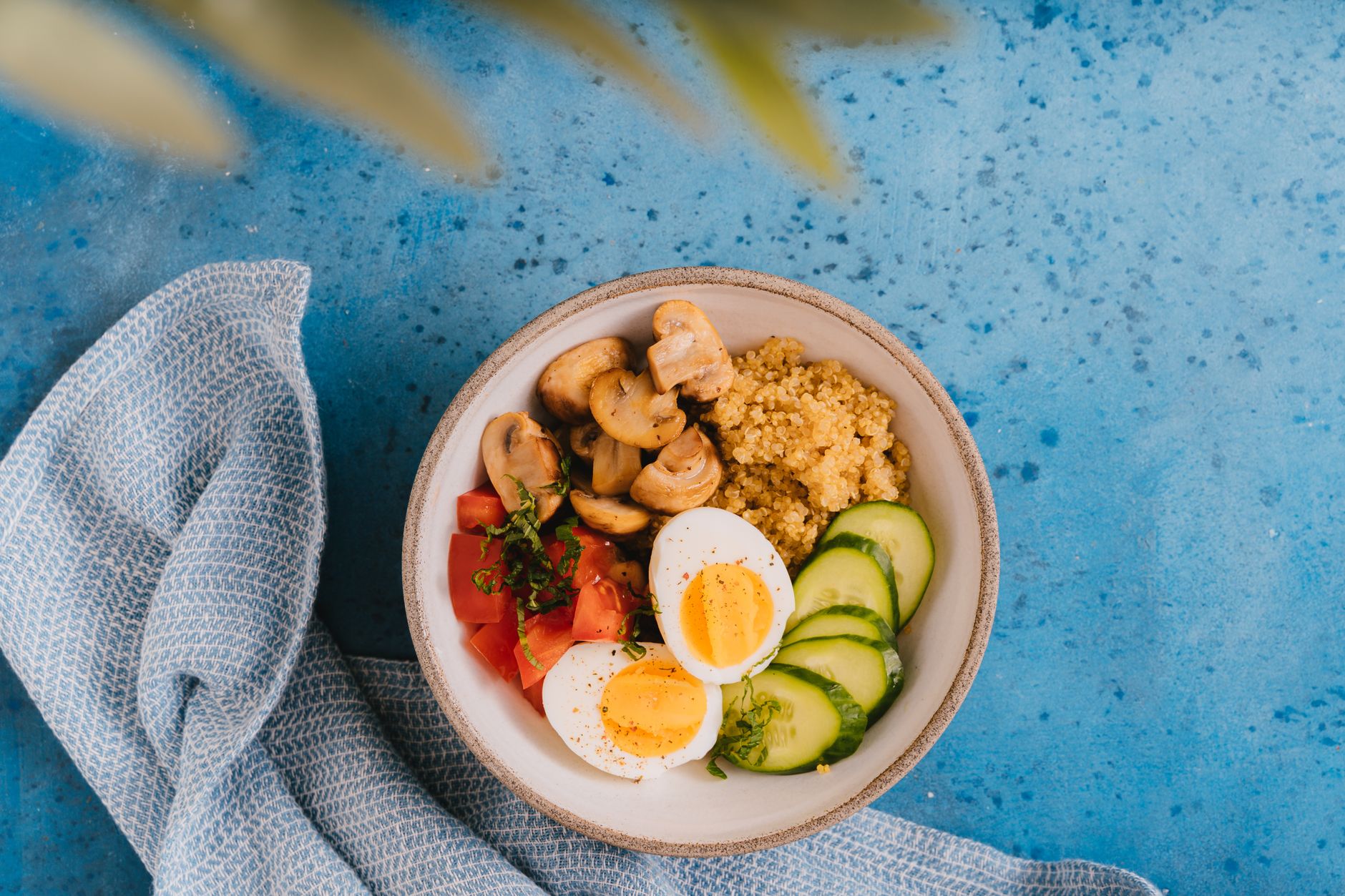
Quinoa is a popular grain-like seed often praised for its nutritional benefits, including high protein content and gluten-free nature. However, many people find that introducing quinoa into their diet can lead to stomach discomfort. Understanding the reasons behind this reaction is crucial for both enjoyment and digestive health.
This article will explore why quinoa may cause stomach pain, common allergens, preparation methods, and how to enjoy it without discomfort. By addressing these concerns, we aim to empower you with the knowledge needed to incorporate quinoa into your meals successfully.
Why Does Quinoa Hurt My Stomach?
Quinoa can cause stomach pain for several reasons, including its high fiber content, presence of anti-nutrients, and potential food sensitivities. Proper preparation and gradual introduction into the diet can help minimize these issues.
Understanding Quinoa: Nutritional Profile and Benefits
Quinoa is often classified as a grain but is actually a seed. It is considered a superfood due to its impressive nutritional profile, which includes:
- High protein content: Quinoa contains all nine essential amino acids, making it a complete protein source.
- Rich in fiber: A significant amount of dietary fiber aids digestion.
- Loaded with nutrients: Quinoa is high in vitamins and minerals such as magnesium, phosphorus, and iron.
Despite these benefits, quinoa can also lead to digestive issues for some people. Understanding the factors contributing to discomfort can help you enjoy its benefits without the pain.
Common Reasons for Digestive Discomfort
1. High Fiber Content
Quinoa is rich in dietary fiber, which can improve digestion. However, for those who are not accustomed to high-fiber foods, such a sudden increase can lead to bloating, gas, and stomach cramps. If you have not traditionally consumed a lot of fiber, it is advisable to start with small portions of quinoa and gradually increase your intake.
2. Anti-nutrients
Quinoa contains anti-nutrients, such as saponins and phytic acid. Saponins, found on the surface of quinoa seeds, can give the quinoa a bitter taste and may lead to digestive discomfort in some individuals. Phytic acid can bind to minerals, making them less available for absorption and potentially leading to indigestion.
3. Food Sensitivities
Some individuals may be sensitive to quinoa itself, experiencing symptoms similar to gluten intolerance or other food sensitivities. If you suspect that quinoa is the culprit behind your stomach issues, try eliminating it from your diet temporarily and monitoring your symptoms.
4. Improper Preparation
Not rinsing quinoa before cooking is a common mistake. Rinsing removes much of the saponin, helping to eliminate bitter flavors and reducing the potential for digestive discomfort. Always rinse quinoa thoroughly under running water before cooking.
Mitigating Stomach Discomfort from Quinoa
While quinoa can be a nutritious addition to your meals, you can take steps to reduce the likelihood of stomach pain:
1. Rinse Thoroughly
As mentioned earlier, rinsing quinoa before cooking is essential. Place the quinoa in a fine-mesh strainer and rinse under cold running water for 1-2 minutes, scrubbing gently with your fingers. This step helps remove saponins and reduces bitterness.
2. Start with Small Portions
If you are new to quinoa, begin with a small serving (about 1/4 cup cooked) and gradually increase the amount as your body adjusts to the higher fiber content. Monitor how your body reacts and adjust accordingly.
3. Cook Thoroughly
Ensure that quinoa is cooked properly. Cooked quinoa should be fluffy and each seed should appear to have ‘popped’ open. Overcooking can lead to a mushy texture that may be harder to digest.
4. Soak Before Cooking
Soaking quinoa before cooking can be beneficial. This process helps to break down some of the anti-nutrients and may improve digestibility. To soak quinoa:
- Rinse thoroughly.
- Soak in water for 2 to 8 hours.
- Drain and rinse again before cooking.
5. Pair with Digestive Aids
Incorporating ingredients that aid digestion, such as ginger, turmeric, or lemon, can help alleviate potential discomfort. Add these to your quinoa dishes for better digestion.
6. Monitor your Diet
Pay attention to what foods you are consuming alongside quinoa. Combining quinoa with ingredients that are also high in fiber can exacerbate digestive issues. Consider lighter pairings or smaller portions to help balance your meal.
Alternative Ways to Prepare Quinoa
If you find that quinoa continues to upset your stomach, consider exploring alternative grains and seeds or experimenting with different preparations.
1. Quinoa Salad
A refreshing quinoa salad can be a nutritious, fiber-rich meal. Use cooked and cooled quinoa as the base, then add a variety of chopped vegetables, herbs, and a light dressing. This dish will still provide the nutritional benefits while making it easier to digest.
2. Quinoa Soup or Broth
Adding quinoa to a hearty soup can mask potential bitter flavors and combine it with warming ingredients, making it easier to digest. A vegetable or chicken broth with quinoa can provide both comfort and nourishment.
3. Quinoa Bowls
Quinoa bowls can be customized with a variety of proteins and vegetables. Choosing cooked or roasted vegetables can make the meal more manageable for your digestive system.
4. Quinoa Flour
If you’re experiencing difficulties with whole quinoa seeds, consider using quinoa flour in baking. Quinoa flour can be used to replace some portion of regular flour in recipes for pancakes, muffins, or cookies. This may offer a different taste and texture that could be gentler on your stomach.
5. Combine with Other Grains
Mixing quinoa with other grains or seeds may help in balancing flavors and textures. Techniques like blending quinoa with rice, millet, or bulgur can create a more manageable dish with varied chewiness.
Common Mistakes to Avoid with Quinoa
When cooking quinoa, certain mistakes can lead to undesirable results:
1. Not Rinsing
As highlighted previously, neglecting to rinse quinoa can result in bitterness and contribute to digestive discomfort.
2. Overcooking
Cooking quinoa for too long can make it mushy and difficult to digest. Aim for a cooking time of about 15 minutes and monitor until it reaches a fluffy consistency.
3. Ignoring Portion Sizes
Overeating quinoa, especially if your digestive system isn’t accustomed to high fiber, can lead to discomfort. Pay attention to portion sizes, especially if you experience any signs of bloating or cramping.
4. Not Balancing the Meal
A common mistake is failing to adjust your diet to accommodate quinoa’s fiber content. Combining it with lighter proteins and cooked vegetables can make for a more balanced meal.
When to Avoid Quinoa
There are instances when quinoa may not be suitable for you:
1. If You Have Celiac Disease or Gluten Sensitivity
Although quinoa is gluten-free, cross-contamination may occur during processing. If you have severe gluten allergies, make sure to source certified gluten-free quinoa.
2. If You Experience Persistent Discomfort
If you continue to experience discomfort after making adjustments, consider eliminating quinoa altogether and consulting a healthcare provider or a dietitian to discuss potential food sensitivities.
3. Specific Health Conditions
Conditions like irritable bowel syndrome (IBS) may require stricter dietary guidelines, including limited fiber intake. Work closely with your healthcare provider to evaluate what foods work best for you.
Incorporating Quinoa into Your Meal Plan
If you have decided to incorporate quinoa back into your diet, consider making it a regular part of your meals with these simple tips:
- Use quinoa as a base for your salads, bowls, and dishes.
- Plan meals where quinoa complements other easily digestible ingredients.
- Batch-cook quinoa and store it for easy meal prep throughout the week.
Storing cooked quinoa in the fridge can provide a quick and nutritious base for a variety of meals, requiring minimal preparation time.
Conclusion
Quinoa is a nutritious food that can be an excellent addition to your diet, but it can also cause stomach discomfort for some individuals. Understanding the reasons behind this discomfort and how to properly prepare quinoa can help in minimizing unpleasant reactions. Whether it’s through thorough rinsing, gradual introduction, or pairing with suitable ingredients, there are many ways to enjoy quinoa without discomfort.
Take the time to experiment with different cooking methods and dishes until you find what works best for you. Consider exploring alternatives like chia pudding or learning about the benefits of chia seeds to diversify your meal options.
For more delicious recipes and cooking tips, explore our chia pudding recipe with coconut milk or discover the benefits of chia seeds.