
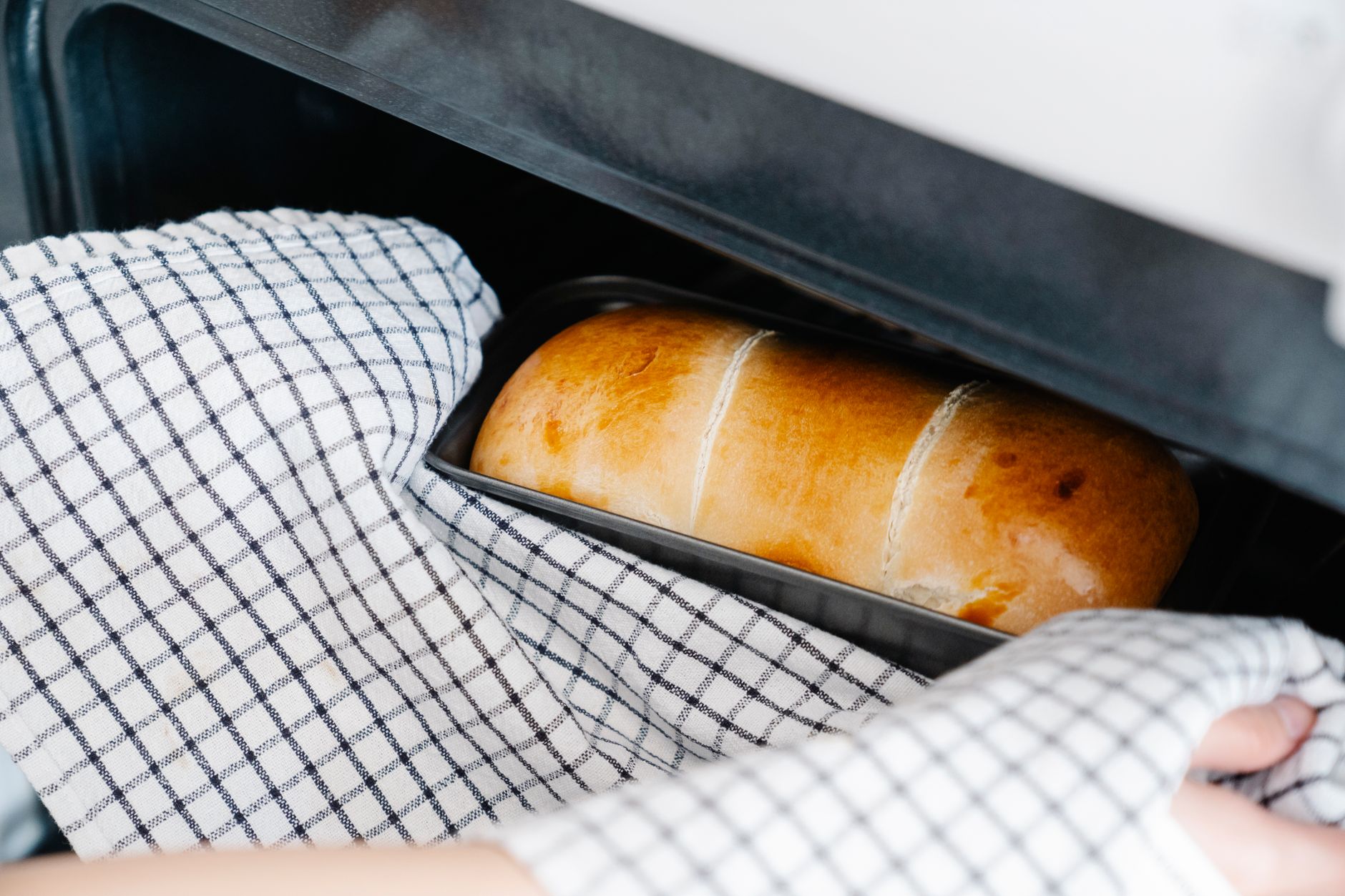
As more people become health-conscious, the debate about homemade versus store-bought bread intensifies. Homemade bread is often perceived as healthier due to control over ingredients, freshness, and the absence of preservatives. But is it really better for you? This article explores the nutritional implications, ingredients, and health benefits of both homemade and store-bought bread.
We will compare the ingredients, preparation methods, and types of bread available, enabling you to make informed choices. Whether you’re a skilled baker or a busy shopper, understanding these differences can help you determine the best option for your dietary needs.
Is Homemade Bread Healthier Than Store Bought?
Homemade bread is generally considered healthier than store-bought options because of the control you have over the ingredients, allowing for healthier substitutions and the avoidance of preservatives and additives. However, some store-bought options made from whole grains and without artificial ingredients can still be quite nutritious. The best choice depends on your specific health goals and dietary requirements.
A Closer Look at Ingredients
The first step in determining whether homemade or store-bought bread is healthier involves examining the ingredients. Bread’s main components include flour, yeast, salt, and water. Variations arise from the type of flour used, sweeteners added, and any additional flavors or nutrients.
Types of Flour
- Wheat Flour: Common in both homemade and store-bought bread; it can be whole grain or refined.
- Whole Grain Flour: Often more nutritious, packed with fiber and vitamins.
- Alternative Flours: Almond, coconut, and gluten-free options cater to specific dietary needs but can alter texture and flavor.
Additional Ingredients
Many store-bought breads include additives to enhance shelf life, texture, and taste.
- Preservatives: Common in store-bought breads to maintain freshness.
- Additives: Ingredients like dough conditioners or artificial flavorings may be present.
- Sweeteners: Store-bought breads may contain added sugars, such as high fructose corn syrup, which can increase calorie counts.
Nutritional Comparison
When comparing nutritional values, examining the serving sizes is crucial. A slice of store-bought bread often has a different nutrient profile than homemade bread, primarily due to ingredient choices.
Calories and Macros
The calorie content in homemade versus store-bought bread can vary widely:
- Homemade Bread: Allows customization of ingredients, resulting in the potential for lower calories, especially if using whole grains and minimal sugar.
- Store-Bought Bread: Often contains hidden sugars and additives, leading to higher calorie counts.
Fiber Content
Fiber is an essential part of a healthy diet, influencing digestion and satiety. Whole grain breads are generally higher in fiber.
- Homemade Options: Can use 100% whole-grain flour, maximizing fiber intake.
- Store-Bought Options: Look for brands that advertise “whole grain” or “whole wheat” as the first ingredient to guarantee higher fiber content.
Other Nutrients
Many other nutrients, such as protein, vitamins, and minerals, play a role in evaluating bread’s healthiness:
- Protein: Whole grain breads usually offer more protein than white breads, whether homemade or store-bought.
- Vitamins & Minerals: B vitamins and iron are typically higher in whole grain bread.
Q: What about gluten concerns?
For those with gluten sensitivities or celiac disease, both homemade and store-bought options can cater to gluten-free needs. Homemade gluten-free bread can use alternative flours and ensure no cross-contamination occurs, making it potentially safer.
Baking Method: What to Consider
The method of preparation is key to the healthfulness of the bread:
- Homemade Bread: Baking at home allows for methods that can maximize nutrition, such as soaking grains or sprouting flours to increase digestibility.
- Store-Bought Bread: Often uses industrial processes that can strip some nutrients and include preservatives that impact health.
Flavor and Freshness
The flavor and freshness of bread can significantly influence your choice. Homemade bread can be tailored to individual tastes, while store-bought varieties may not provide the same level of customization.
Freshness
Homemade bread is often fresher, providing a short window of peak taste and texture:
- Homemade: Best consumed within a few days; can also be frozen for later use.
- Store-Bought: Often has a longer shelf life due to preservatives, but the taste may suffer over time.
Texture and Crust
The texture and crust of bread can also affect your dining experience:
- Homemade Bread: Typically has a crusty exterior and soft interior – leading to a satisfying chew and flavor.
- Store-Bought Bread: May be softer and uniform but can often feel less hearty.
Cost Considerations
When weighing the health benefits of homemade versus store-bought bread, consider the costs involved in both approaches.
Homemade Bread Costs
While the initial investment in baking tools may seem steep, the cost of ingredients per loaf can be quite economical:
- Flour, yeast, and water are affordable staples; bulk buying can reduce costs even further.
- Investing in a good bread maker can make homemade baking less labor-intensive.
Store-Bought Bread Costs
The price of store-bought breads can vary significantly based on brand and type. Health-focused options may be more expensive than conventional varieties.
Common Mistakes and Troubleshooting
If you are new to bread baking, some common mistakes might hinder your success:
- Not Measuring Ingredients Accurately: Baking is a science; slight variations can affect the outcome.
- Ignoring Rising Times: Bread needs time to rise for optimal texture; don’t rush this process.
- Preheating the Oven: An oven that isn’t preheated can lead to poorly baked bread.
Serving Suggestions and Pairing
The way you serve homemade or store-bought bread can also enhance its health benefits:
- Top with Healthy Options: Nut butters, hummus, or avocado add healthy fats and nutrients.
- Pair with Leafy Greens: Serve alongside salads for added vitamins and minerals.
Make-Ahead Guidance
For those who want to enjoy fresh homemade bread without the daily effort, here are some practical tips:
- Batch baking on weekends: Make several loaves and freeze for later use.
- Storing properly: Use airtight containers in the freezer to maintain freshness.
- Experimenting with flavors: Add herbs, nuts, or dried fruits to customize loaves.
Storage and Reheating Tips
How you store bread affects its shelf life and quality:
- Homemade Bread: Store in a linen or cotton bag for a couple of days; freeze for longer storage.
- Store-Bought Bread: Keep in its original packaging or an airtight container; consume by the expiration date.
Conclusion
In summary, while homemade bread generally offers greater control over ingredients, nutrition, and flavor, store-bought options can still provide healthy choices. Ultimately, the decision on which bread is healthiest for you will depend on individual dietary needs and lifestyle factors. Whether you choose to bake at home or grab a loaf from the store, being aware of ingredients and nutritional content will help you make informed choices for better health.
To further your exploration of bread options, check out these recipes for Homemade Honey Wheat Bread and Einkorn Bread—both perfect for making nutritious and delicious homemade bread easily.