
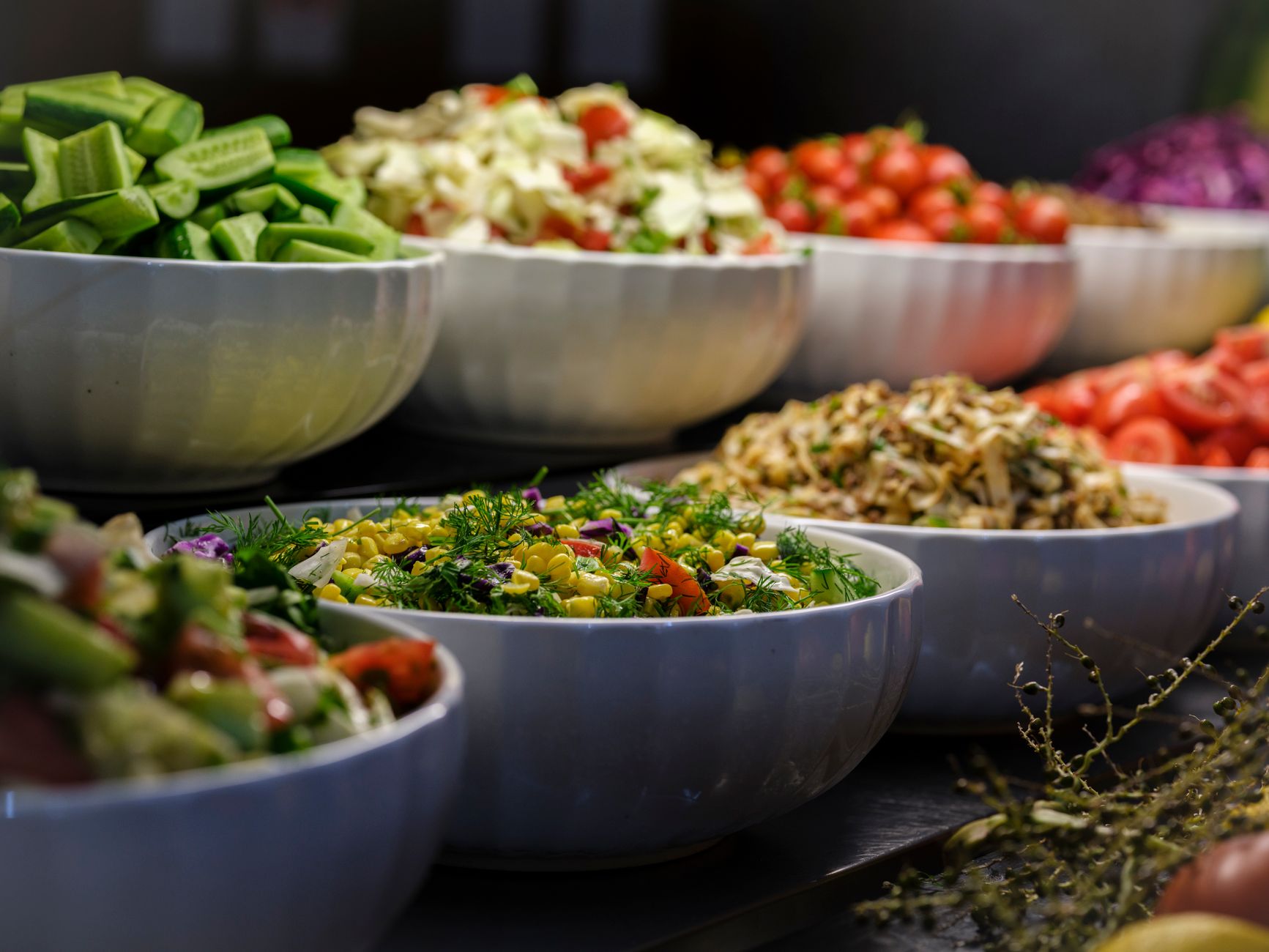
Finding effective ways to lower cholesterol naturally can be transformative for your health. This article will explore dietary considerations that can help you manage cholesterol levels, focusing on foods that are nutrient-rich and beneficial.
From incorporating heart-healthy ingredients to understanding cooking techniques that preserve their benefits, this guide provides all the information you need to eat well and support your cholesterol management naturally.
How to Lower Cholesterol Naturally?
Lowering cholesterol naturally involves making changes to your diet by including foods high in soluble fiber, healthy fats, and antioxidants. Eating more fruits, vegetables, and whole grains while reducing saturated fats can greatly impact your cholesterol levels.
Understanding Cholesterol
Cholesterol is a waxy substance found in your blood, vital for producing hormones and vitamin D, but too much can lead to health problems. It is classified into two types: low-density lipoprotein (LDL), often referred to as ‘bad’ cholesterol, and high-density lipoprotein (HDL), or ‘good’ cholesterol. The goal is to lower LDL levels while increasing HDL levels.
Foods That Help Lower Cholesterol
Incorporating specific foods into your diet can help manage cholesterol levels effectively. Here are some of the key foods to consider:
- Oats: Rich in soluble fiber, oats can help reduce LDL cholesterol. Starting your day with a bowl of oatmeal can kick off your efforts.
- Legumes: Beans, lentils, and peas are excellent sources of protein and fiber. They can replace higher-fat meat options in meals.
- Fruits: Apples, oranges, berries, and grapes are packed with pectin and other soluble fibers that lower cholesterol levels.
- Vegetables: Leafy greens such as spinach, kale, and broccoli not only provide fiber but also contain antioxidants that support heart health.
- Nuts: Almonds and walnuts can improve your cholesterol profile when eaten in moderation.
- Fatty Fish: Salmon and mackerel are rich in omega-3 fatty acids, which can increase HDL cholesterol.
- Healthy Oils: Olive oil and avocado oil can be good substitutes for butter and margarine, offering healthy fats instead of saturated ones.
- Whole Grains: Products made with whole grains, like whole grain bread and brown rice, can help lower cholesterol levels.
- Chia Seeds: While they’re tiny, chia seeds pack a nutritious punch, providing fiber and omega-3 fatty acids.
Cooking Techniques to Preserve Nutritional Value
How you prepare your food can impact its health benefits. Here are some cooking techniques that can help maintain the nutritional integrity of heart-healthy ingredients:
Steaming
Steaming vegetables like broccoli or spinach preserves nutrients better than boiling. This method helps in retaining vitamins and minerals while adding no extra fat.
Baking
Baking is a healthy cooking method that requires less oil and fat compared to frying. It’s suitable for making dishes that include fish or chicken, offering a delicious, moist texture.
Grilling
Grilling not only enhances flavor but also allows excess fat to drip away from the food. It works great for lean meats and veggies.
Sautéing
Using a small amount of healthy oil to sauté vegetables keeps them vibrant and full of flavor while avoiding the use of excessive butter or cream.
Meal Planning for Lower Cholesterol
A well-structured meal plan can simplify the process of managing cholesterol levels through dietary changes. Here are some practical tips and a sample meal plan to get you started:
Tips for Effective Meal Planning
- Plan meals around whole foods that are high in fiber.
- Replace red meat with plant-based proteins such as beans and lentils.
- Incorporate a variety of fruits and vegetables to ensure nutrient diversity.
- Prepare meals in batches to save time and reduce reliance on unhealthy options.
- Keep heart-healthy snacks on hand to avoid impulsive, unhealthy choices.
Sample Meal Plan
| Meal | Food Options |
|---|---|
| Breakfast | Oatmeal topped with berries, a sprinkle of chia seeds, and a drizzle of honey. |
| Snack | A handful of almonds or walnuts. |
| Lunch | Quinoa salad with chickpeas, cucumbers, tomatoes, and a squeeze of lemon. |
| Snack | Sliced apple with a small portion of almond butter. |
| Dinner | Grilled salmon, steamed asparagus, and brown rice. |
Ingredient Substitutions
Making informed substitutions can significantly impact the cholesterol content of your meals without sacrificing taste. Here are some practical substitutions:
- Butter: Substitute with olive oil or avocado oil for cooking and baking.
- Ground beef: Use lentils, black beans, or ground turkey for lower-fat alternatives.
- Regular pasta: Choose whole grain or legume-based pasta instead.
- Full-fat dairy: Replace with low-fat or plant-based options such as almond or oat milk.
- Sugar: Use natural sweeteners like honey or pure maple syrup in moderation.
Common Mistakes to Avoid
As you begin your journey to lower cholesterol naturally, be mindful of these common mistakes:
- Relying solely on low-fat products: Often, they are high in sugar or artificial additives. Always check labels.
- Neglecting physical activity: A healthy diet needs to be complemented by regular exercise.
- Overlooking portion sizes: Even healthy foods can contribute to weight gain if consumed excessively.
- Failing to incorporate variety: Eating the same foods repeatedly can lead to nutrient deficiencies.
Heart-Healthy Snacks
Snacks can often be a minefield when trying to lower cholesterol. Here are some heart-healthy options that you can enjoy guilt-free:
- Popcorn: Air-popped with minimal salt.
- Veggie sticks: Carrot, cucumber, or bell pepper slices with hummus.
- Yogurt: Opt for low-fat Greek yogurt topped with fresh fruit.
- Avocado toast: Whole grain bread topped with smashed avocado and a sprinkle of seeds.
Drinks That Promote Heart Health
What you drink is just as important as what you eat. Consider these beverages that can help keep your cholesterol in check:
- Green tea: Packed with antioxidants that may improve cholesterol levels.
- Red wine: In moderation, it can have heart-healthy benefits due to antioxidants.
- Smoothies: Blend fruits with leafy greens and some nut milk for a nutritious snack or breakfast.
- Water: Staying hydrated is essential, so opt for water over sugary drinks.
Storing and Preparing Heart-Healthy Ingredients
Understanding how to store your ingredients properly can help maximize their freshness and nutritional value:
- Fruits and Vegetables: Store in the refrigerator in breathable bags to maintain freshness.
- Grains: Keep whole grains in airtight containers in a cool, dry place to avoid rancidity.
- Nuts: Refrigerate or freeze nuts to preserve their healthy fats and flavor.
- Oils: Store oils away from sunlight in dark-colored bottles to prevent oxidation.
Conclusion
Lowering cholesterol naturally is achievable through mindful dietary changes and healthy cooking practices. By incorporating more whole foods, utilizing the right cooking techniques, and avoiding common mistakes, you’ll be on your way to managing cholesterol levels effectively.
As you adapt to these healthier choices, consider trying out recipes that highlight these heart-healthy ingredients. Explore our Chia Pudding Recipe for a delicious breakfast option or read about the benefits of chia seeds that enhance your nutritional intake.